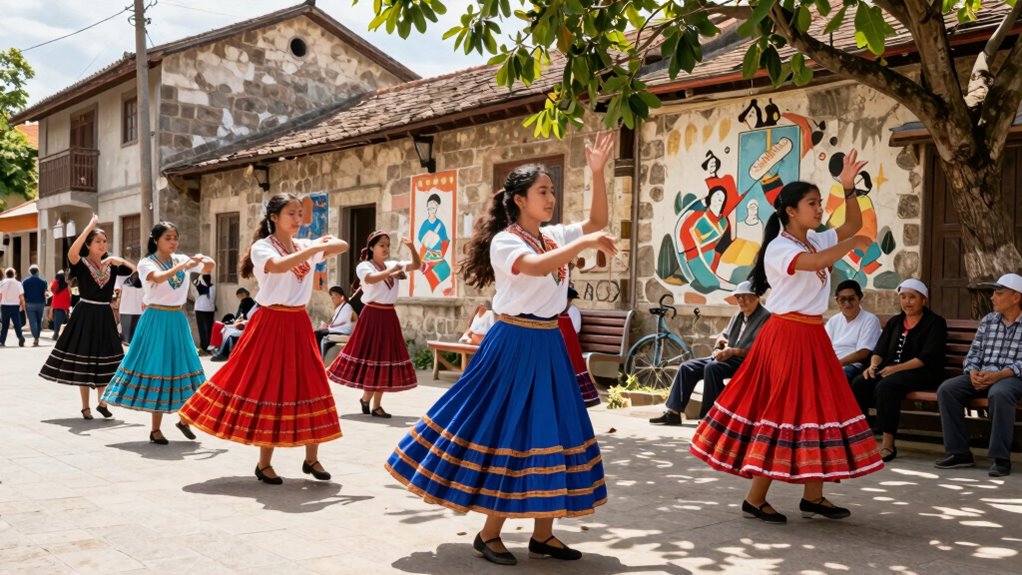

Your active involvement is key to maintaining cultural continuity because you carry traditions forward through everyday actions like sharing stories, participating in rituals, and practicing customs. While institutions provide resources, it’s your engagement that truly keeps culture alive and relevant. Your influence shapes future generations and guarantees traditions don’t fade away. If you stay committed, you’ll discover how your participation can make a lasting impact on the preservation of your culture.
Key Takeaways
- Young people actively participate in daily cultural practices, ensuring traditions remain dynamic and relevant.
- Intergenerational exchanges with youth help transmit and adapt cultural knowledge beyond formal institutions.
- Youth engagement fosters a sense of identity and pride critical for cultural resilience.
- Younger generations innovate traditions, keeping them alive amidst modern influences.
- Institutions rely on youth involvement to sustain authentic cultural expressions and community relevance.
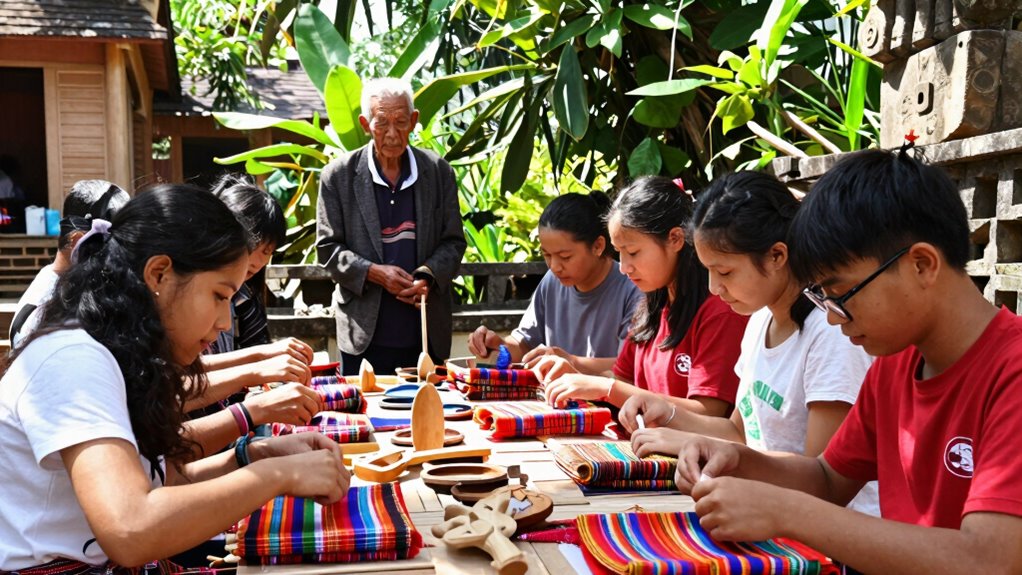
How do young people keep cultural traditions alive in a rapidly changing world? It’s a question that highlights your essential role in maintaining cultural continuity. While institutions like museums and cultural centers play a part, it’s your daily actions and choices that truly sustain your heritage. You are the bridge between generations, and through intergenerational transmission, you carry the stories, skills, and values that define your cultural identity. This ongoing exchange ensures that traditions don’t fade away with time or modernization. When you learn your language, participate in traditional rituals, or share stories with family members, you actively preserve your cultural identity. These moments of connection are more than mere customs; they’re crucial acts of cultural identity preservation that help keep your community’s spirit alive. Additionally, embracing cultural practices with enthusiasm helps ensure their relevance and vitality for future generations.
Your involvement in cultural practices isn’t just about personal pride; it’s about guaranteeing your culture’s survival amid a world that’s constantly evolving. Young people like you often face the challenge of balancing modern influences with traditional ways. But by engaging in intergenerational transmission—passing down customs from elders to younger generations—you reinforce your cultural roots. This process isn’t passive; it requires intentional effort to learn, adapt, and sustain these traditions. Participating actively in cultural rituals and activities ensures that these customs stay alive and meaningful in contemporary society. For example, sharing traditional recipes or participating in community festivals can strengthen your sense of cultural identity and community bonds. Engaging with cultural institutions can also provide valuable resources and platforms for cultural expression. Whether it’s cooking age-old recipes, practicing traditional dances, or participating in community festivals, your active participation keeps these practices relevant and meaningful. Moreover, embracing modern technology can be a powerful tool for documenting and sharing cultural practices with a wider audience, helping to preserve them in digital spaces. Through these actions, you help instill a sense of belonging and cultural pride in others, reinforcing the social fabric that binds your community.
You also influence how your culture adapts to change. As you innovate and incorporate new ideas, you do so while respecting the core values and practices that define your identity. This dynamic process depends heavily on your willingness to engage in the ongoing dialogue between generations. When elders share their stories and knowledge, you absorb that wisdom and pass it forward, creating a continuous cycle of cultural preservation. Your role extends beyond personal expression; it’s about nurturing a collective memory that can withstand the pressures of modernization. Without your active participation, traditions risk losing their vitality or becoming relics of the past. But with your commitment to intergenerational transmission, you help keep your cultural identity vibrant, relevant, and resilient in a world that’s always changing.
As an affiliate, we earn on qualifying purchases.
Frequently Asked Questions
How Do Individual Youths Influence Cultural Traditions Differently Than Institutions?
You influence cultural traditions more than institutions through your personal identity and peer influence. Your choices, beliefs, and behaviors shape how traditions evolve, often inspired by friends and social groups. Unlike institutions, which are slow to change, your active participation and willingness to adapt keep cultural practices alive and relevant. By embracing or challenging traditions, you help guarantee their continuity in a way that resonates personally and socially.
What Role Do Digital Platforms Play in Maintaining Cultural Continuity Among Youth?
Digital platforms are like bridges connecting you to your cultural roots. You use digital storytelling to share traditions and social media activism to raise awareness, keeping culture alive and relevant. These tools enable you to engage with your community and influence others, ensuring traditions adapt rather than fade. By actively participating online, you become a essential part of cultural continuity, shaping how your heritage persists across generations.
Can Youth-Led Initiatives Effectively Sustain Cultural Practices Long-Term?
Yes, youth-led initiatives can effectively sustain cultural practices long-term by fostering cultural innovation and empowering young people. You directly influence the preservation and adaptation of traditions, ensuring they stay relevant in modern times. When you lead efforts, you bring fresh perspectives and creativity that keep cultural practices alive and evolving. Your active participation inspires others, creating a cycle of cultural continuity rooted in youth empowerment and innovation.
How Do Intergenerational Relationships Impact Young People’s Cultural Engagement?
Intergenerational dialogue plays a crucial role in your cultural engagement by fostering cultural transmission. When you actively listen and share stories with older generations, you deepen your understanding and appreciation of your culture. These relationships help you preserve traditions, beliefs, and practices, making cultural continuity stronger. By valuing intergenerational connections, you guarantee that cultural knowledge is passed down effectively, strengthening your cultural identity for generations to come.
What Challenges Do Young People Face in Preserving Cultural Identity Today?
You face challenges like cultural assimilation, which pressures you to adopt mainstream ways, risking your heritage. Additionally, tradition erosion occurs as modern influences and technology often shift your focus away from cultural practices. These factors make it harder for you to preserve your cultural identity, requiring you to actively engage with your roots and resist losing valuable traditions amid rapid societal changes.
Conclusion
You hold the key to cultural continuity. You shape traditions, pass down stories, and keep history alive. You embrace change, respect heritage, and carry the future in your hands. Your choices, your voices, your actions determine whether culture flourishes or fades away. It’s in your daily words, your everyday deeds, your active participation that culture persists. Because without you, without your energy and commitment, tradition loses its voice, and the future of culture becomes uncertain.