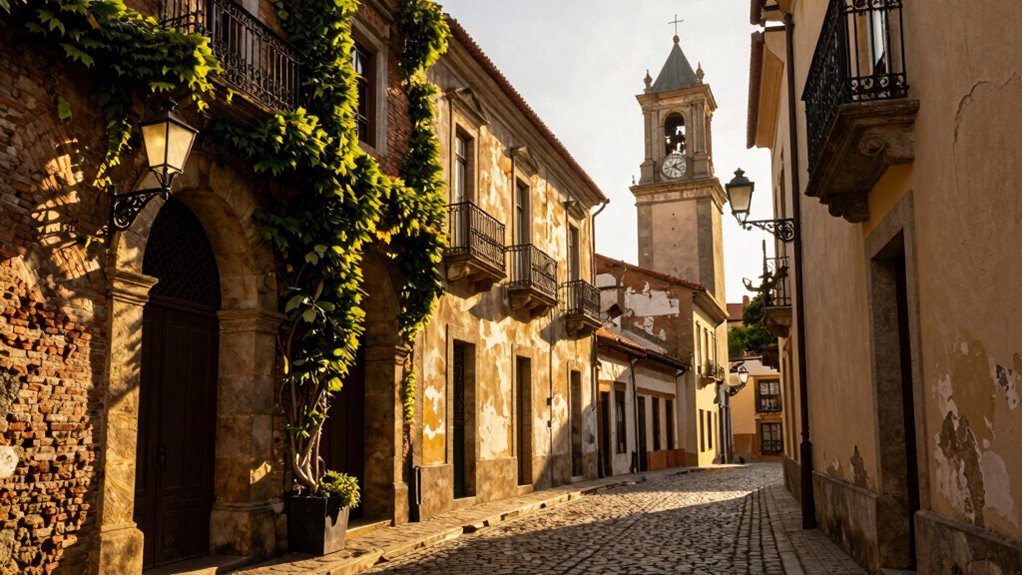

You’ll notice some places feel more historic because of their cultural significance, authentic architecture, and powerful stories behind them. These elements create a sense of deep connection, making the environment seem alive with history. When a site preserves its original design or is tied to meaningful events, it feels more genuine and timeless. If you keep exploring, you’ll discover how these aspects combine to make even modern places seem more rooted in the past.

Get home appliances delivered free with Prime
- Fast, free delivery on millions of items
- Prime Video, Amazon Music and more included
- Member-only deals all year
Key Takeaways
- Authentic architecture and meticulous preservation create a tangible connection to the past, enhancing the historic feel.
- Deep cultural significance and meaningful stories imbue a place with emotional and symbolic weight.
- Well-preserved or reconstructed buildings that respect original design foster a sense of timelessness.
- Engagement with local traditions, events, and history transforms sites into living symbols of identity.
- The seamless blend of authenticity and cultural importance makes a site feel more historically resonant regardless of age.
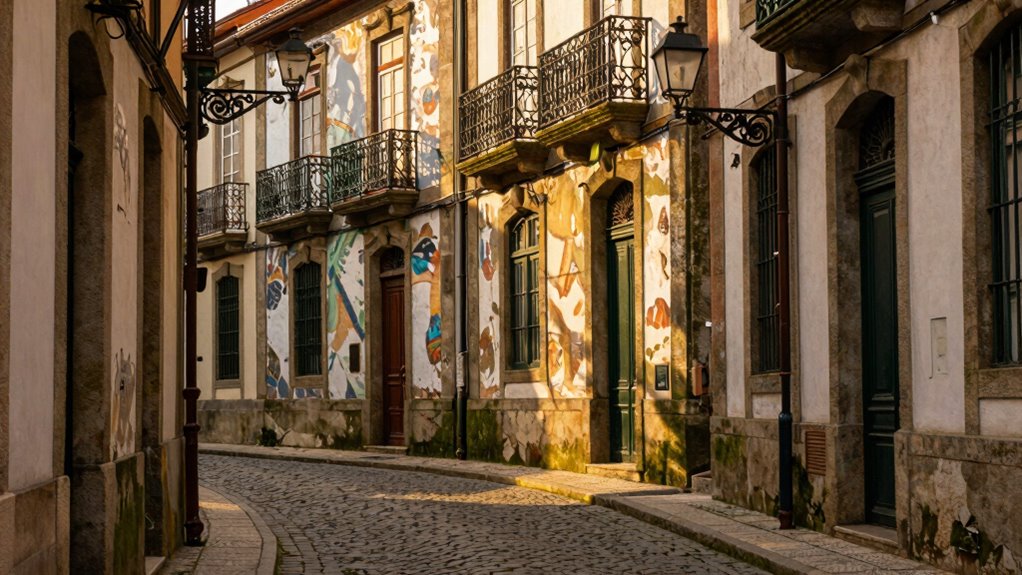
Some places just seem to radiate history, making you feel transported to another time, even if you’re visiting for the first time. It’s as if the atmosphere itself carries stories of the past, inviting you to step into a different era. The reason isn’t always about age; instead, it often hinges on the cultural significance embedded in the site and the architectural authenticity that resonates through every stone and structure. When a location holds deep cultural meaning—whether as a center of tradition, resistance, or celebration—it naturally becomes more compelling and evocative. You sense the collective memory of generations, which heightens your emotional connection to the place.
Architectural authenticity plays a crucial role in amplifying this historic feeling. When buildings are preserved or reconstructed with meticulous attention to original design, materials, and craftsmanship, they seem to breathe life into history. You can almost hear the footsteps of those who came before, feel the textures of historic walls, and see the artistry that shaped the environment. Authentic architecture creates a tangible link to the past, making it easier for you to imagine what life was like during different periods. Modern renovations that respect the original style help maintain this sense of authenticity, helping to preserve the architectural integrity and reinforcing how the site’s history is not just a story but a physical reality. Additionally, the careful use of restoration techniques ensures that the emotional and historical resonance of these sites endures for future generations. Preserving cultural heritage is essential for maintaining the depth of historical authenticity and emotional impact.
But it’s not just about the structures themselves; it’s also about the stories, traditions, and events associated with the place. A site that holds cultural significance—perhaps as a birthplace of important movements or a site of pivotal events—becomes more than just a collection of old buildings. It transforms into a symbol of identity and heritage. When you visit such a place, you’re not just observing history; you’re experiencing it. The emotional weight tied to these cultural touchpoints makes the place feel alive with meaning, even if it’s not the oldest site in the area. Additionally, cultural significance often influences how well a site is preserved and celebrated, further enhancing its historic atmosphere. The way local communities engage with and honor their history can greatly amplify the sense of authenticity and importance.
Ultimately, the feeling of a place being more historic than its age suggests is a blend of authentic architectural details and profound cultural importance. When both elements align, they create an environment that feels timeless—like walking through a living museum. You leave with a sense that history isn’t just written in books but is woven into the very fabric of the place itself. That’s what makes some locations feel more historic, even when they aren’t the oldest in age.
authentic historical architecture tours
As an affiliate, we earn on qualifying purchases.
As an affiliate, we earn on qualifying purchases.
Frequently Asked Questions
How Does Lighting Influence a Place’s Historic Ambiance?
Lighting influences a place’s historic ambiance by creating mood enhancement and highlighting architectural details. Theatrical lighting can cast shadows or emphasize textures, making a space feel more dramatic and authentic. Soft, warm lights evoke nostalgia, while dim lighting adds mystery and reverence. You’ll notice that thoughtfully placed lighting transforms an ordinary area into an enchanting scene, immersing you in its historic feel even if it’s not very old.
Can Local Stories Enhance a Location’s Historic Feel?
Yes, local stories can markedly enhance a location’s historic feel. When you engage with local narratives and storytelling techniques, you connect more deeply with the place’s history. These stories bring characters and events to life, making the past more vivid and relatable. By sharing personal anecdotes and legends, you create an immersive experience that makes the environment feel richer, more authentic, and more steeped in history, regardless of its actual age.
Do Preservation Efforts Affect Perceptions of History?
Preservation efforts definitely influence how you perceive history; they can make a place feel more authentic. When a site maintains its historical authenticity, it’s like hitting two birds with one stone—enhancing its charm and educational value. Preservation impact helps keep a location’s story alive, making it feel richer and more genuine. So, the more effort put into preservation, the more you’ll feel like you’re stepping back in time.
How Do Cultural Events Shape Historical Perceptions?
You notice that cultural events, like rituals and festive traditions, shape how you perceive history. When a place hosts vibrant celebrations, it becomes alive with stories and customs that deepen your connection, making it feel more historic. These events reinforce local identity and history, even if the structures are relatively new. Your experience of history becomes intertwined with ongoing cultural expressions, making the area feel richer and more significant.
Does Architecture Style Impact Perceived Age?
You might think Victorian architecture instantly makes a place feel older, but it’s often stylistic nostalgia, not authenticity, that tricks your perception. Architectural style impacts perceived age by evoking feelings of authenticity and history, even if the building isn’t truly old. When design elements mimic historic styles, they create a sense of timelessness, making a place seem more historic—proving that style can sometimes outshine actual age in shaping your emotional connection.
Conclusion
So, next time you wander into a “historic” site that somehow feels like it’s been around since the dawn of time, remember—it’s all about the vibe, not the age. Maybe it’s the storytelling, the atmosphere, or just good marketing, but don’t be fooled into thinking every ancient-looking building has seen more history than your grandma’s stories. Sometimes, a place feels historic because it wants to, not because it actually is. Who knew history was so easily faked?
Columbus Day / Indigenous Peoples' Day Picks
long weekend sales
As an affiliate, we earn on qualifying purchases.