Machine vision systems are essential for food safety, offering fast, accurate detection of contaminants and defects on your production line. They analyze products in real time with advanced cameras and image processing, catching tiny issues invisible to the naked eye. These systems can process thousands of items per minute, often working seamlessly with automation tools to improve efficiency and safety. To discover how these technologies can protect your brand and ensure top quality, explore further insights ahead.

Get home appliances delivered free — and shop member deals
- Fast, free delivery on millions of items
- Access to Prime Big Deal Days deals on October 6–7
- Prime Video, Amazon Music and more included
Key Takeaways
- Machine vision provides rapid, accurate detection of contaminants and defects in food products on production lines.
- It processes thousands of items per minute, enabling real-time inspection and immediate removal of contaminated items.
- Integrating with automation, machine vision systems automatically reject substandard products, ensuring safety and efficiency.
- These systems identify minute defects and foreign objects invisible to the naked eye, enhancing overall food safety standards.
- Machine vision ensures consistent quality, supports regulatory compliance, and protects brand reputation through reliable inspection.

Machine vision systems have become indispensable tools in ensuring food safety by providing rapid, accurate inspection of products. These systems utilize advanced cameras and image processing algorithms to analyze food items on production lines in real time. One of the key advantages is their ability to enhance inspection accuracy, which is essential for detecting contaminants such as foreign objects, mold, or spoilage. Unlike manual checks, machine vision minimizes human error, offering consistent and reliable results that meet strict safety standards. The high-speed nature of these systems also means they can keep up with fast-paced manufacturing lines, ensuring that every product is thoroughly examined without causing delays.
Machine vision enhances food safety with rapid, accurate, real-time inspection and consistent quality assurance.
When it comes to inspection accuracy, machine vision excels because it can identify even minute defects or contaminants that might be invisible to the naked eye. Using sophisticated image analysis, the systems can differentiate between acceptable and problematic items with remarkable precision. This level of detail reduces the risk of contaminated products reaching consumers, safeguarding public health and maintaining brand reputation. Additionally, machine vision systems can be programmed to adapt to different types of food products, recognizing specific visual cues that indicate quality issues. This flexibility allows food producers to implement comprehensive safety protocols across diverse product lines.
Processing speed is another critical aspect where machine vision systems shine. As food production demands increase, traditional inspection methods struggle to keep pace, often becoming bottlenecks. Machine vision, however, processes thousands of items per minute, making real-time decisions that eliminate the need for manual sorting. This rapid analysis not only improves efficiency but also reduces waste, as defective products are identified and removed early in the process. The quick turnaround minimizes downtime and ensures continuous flow, which is especially important in large-scale operations.
Furthermore, the integration of machine vision with other automation technologies enhances overall production efficiency. When combined with robotic systems, these vision solutions can automatically reject contaminated or substandard items without human intervention. This automation reduces labor costs and minimizes the risk of cross-contamination caused by human handling. As a result, food safety measures become more robust and consistent across the entire manufacturing process.
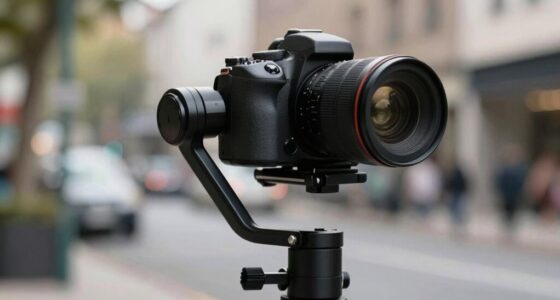
machine vision food safety system
As an affiliate, we earn on qualifying purchases.
As an affiliate, we earn on qualifying purchases.
Frequently Asked Questions
What Are the Limitations of Machine Vision in Food Safety?
You might find that machine vision has limitations in food safety because of hardware constraints like camera resolution and processing speed, which can affect detection accuracy. Additionally, algorithm accuracy can vary, especially when contaminants are subtle or obscured. These factors can lead to missed detections or false positives. While technology advances, you should stay aware of these limitations and continually update systems for improved reliability and precision in real-time contaminant detection.
How Cost-Effective Are These Systems for Small-Scale Producers?
You’ll find that machine vision systems can be cost-effective for small-scale producers when you do thorough cost analysis and consider your budget. While initial investment might seem high, these systems can save money long-term by reducing waste, preventing recalls, and ensuring food safety. By carefully evaluating your needs and options, you can determine if the benefits outweigh the costs, making it a smart addition to your food safety measures.
Can Machine Vision Detect Chemical Contaminants?
While machine vision excels at visual analysis, detecting chemical contaminants directly remains a challenge. These systems are more suited for chemical detection indirectly, by identifying visual signs of contamination or anomalies. Advanced techniques may incorporate sensors for chemical detection, but standard visual analysis primarily focuses on identifying physical contaminants. So, you might need complementary methods to reliably identify chemical pollutants in your food products.
What Training Is Required for Operators of These Systems?
You need to complete operator certification to guarantee you’re qualified to operate machine vision systems effectively. Training covers understanding system functions, recognizing potential issues, and performing routine system maintenance. This prepares you to troubleshoot problems promptly, maintain ideal performance, and ensure accurate contaminant detection. Staying certified and knowledgeable about system maintenance helps you keep the system reliable, ensuring food safety standards are consistently met.
How Do Machine Vision Systems Integrate With Existing Food Processing Lines?
Think of your food processing line as a well-choreographed dance, and machine vision systems as the new dancer seamlessly joining in. They integrate through smooth system integration, syncing with existing conveyor belts and control systems. Leveraging advanced image processing, these systems analyze products in real-time, ensuring contaminants are caught without missing a beat. This harmony boosts efficiency, safety, and keeps your food line running like a flawless performance.
Conclusion
By now, you can see how machine vision systems revolutionize food safety by detecting contaminants instantly. Some might worry about cost or complexity, but the benefits—faster detection, improved quality, and consumer trust—outweigh those concerns. With ongoing advancements, integrating these systems becomes easier and more affordable. Embracing this technology not only safeguards your products but also gives you a competitive edge in the industry. So, don’t hesitate—trust in machine vision to keep your food safe and your reputation strong.
Fall yard work Picks
leaf blowers
As an affiliate, we earn on qualifying purchases.