

TL;DR

Get home appliances delivered free with Prime
- Fast, free delivery on millions of items
- Prime Video, Amazon Music and more included
- Member-only deals all year
This article shows how a single video can generate an entire suite of publishing assets without relying on the cloud. It highlights local AI tools that process, analyze, and produce content while keeping everything on-site, boosting privacy and control.
Imagine turning a raw video into every asset you need—titles, descriptions, clips, social posts—without ever uploading to the cloud. Sounds like a dream, right? Now, it’s possible with the right tools.
This approach transforms how creators and small teams work, by leveraging DIY tools. No more waiting on cloud servers or risking sensitive footage floating around online. Everything stays on your own hardware, faster and more secure. You’re about to see how one video can fuel a full publishing machine—without the cloud.
What does ‘one video, a full kit’ really mean? Here’s how local AI makes it happen
Local AI tools analyze your video on your own machine—no cloud, no external servers. They transcribe speech, detect scene changes, read on-screen text, and even recognize objects or people. The result? A detailed map of your video’s content, ready for repurposing into multiple formats.
But why does this matter? When your AI runs locally, it grants you control over your data—avoiding the privacy risks of uploading sensitive footage. It also reduces latency, so you get results faster, which is critical during tight production schedules. You can learn more about efficient workflows at ToolTrekPro. Furthermore, this approach allows for more customization; you can tailor the analysis parameters to your specific needs without relying on generic cloud models. The tradeoff? You need a capable machine, but in return, you gain security, speed, and flexibility—making your entire content pipeline more resilient and adaptable.
For example, say you record a product demo. The AI highlights key moments, pulls out on-screen stats, and creates a searchable database of scenes. You can then generate social clips, blog snippets, or newsletter summaries—all from this one analysis.
Unlike cloud-based systems that upload raw footage first, this workflow keeps your video data private, reducing security risks and compliance headaches. It’s as if your machine becomes a mini content factory, churning out assets at lightning speed.

local AI video analysis software
As an affiliate, we earn on qualifying purchases.
As an affiliate, we earn on qualifying purchases.
Why does processing on your own machine matter? The power of privacy and speed
Processing locally means your footage never leaves your hardware. This is especially important for sensitive content, and you can explore related solutions at Air quality and safety tools. No uploading, no waiting for cloud servers to analyze your content. It’s faster—especially with large files—and more private. You keep the footage, the metadata, and the control.
But why is this significant beyond just convenience? Privacy is foundational in today’s digital environment—especially for sensitive content like client testimonials, proprietary products, or confidential interviews. By keeping data on-site, you mitigate risks of leaks, hacking, or unauthorized access. Speed is equally critical: cloud processing can introduce delays due to network congestion or server load, which hampers rapid iteration. Local processing ensures that your workflow remains agile, enabling you to make quick edits, approvals, and publishing decisions. So, this isn’t just about speed and privacy—it’s about empowering creators and businesses with a more trustworthy, efficient foundation for content production. The tradeoff? Your hardware performance becomes a bottleneck if not optimized, but the benefits of control and immediacy often outweigh this concern, especially for small teams or individual creators.
Take a small business owner who records customer testimonials. With local AI, they can instantly generate social posts, summaries, and even YouTube titles without sending sensitive footage to external servers. This keeps their client data secure and their workflow snappy.
According to recent research, privacy concerns are the top reason many users avoid cloud-based AI. Local processing aligns perfectly with that need, offering peace of mind and a faster turnaround.

What exactly does ‘off-cloud’ mean? Clearing up the myth of cloud dependency
‘Off-cloud’ means all AI processing and storage happen on your own hardware—no need for internet-based servers. For more on secure local processing, visit this guide. You’re not relying on external cloud services to analyze or store your footage.
But why is this distinction important? Cloud dependency introduces potential vulnerabilities—data breaches, unauthorized access, or even service outages. By operating off-cloud, you eliminate these risks, ensuring your content remains under your complete control. It also reduces recurring costs, since you’re not paying monthly fees for cloud storage or processing. This approach fosters a more sustainable, predictable workflow, especially for small teams or individual creators who want to avoid vendor lock-in. The tradeoff? You need to invest in reliable hardware and possibly more setup time upfront, but the long-term benefits—privacy, cost savings, and operational independence—are substantial. Think of it like owning your own content factory: you control the inputs, processes, and outputs without relying on external infrastructure. This independence can be a game-changer in sensitive industries or environments with strict data regulations.
Many cloud services promise ‘easy’ analysis, but they come with recurring costs, data privacy issues, and potential delays. Going off-cloud sidesteps these issues entirely.

How does local AI produce a publishing kit? Step-by-step breakdown
- Drop or link your video: Upload your footage or paste a YouTube URL into the system. It automatically detects the source and prepares for analysis. Discover more about video analysis tools at this resource.
- Analyze on your machine: The AI transcribes speech, detects scenes, reads on-screen text, and recognizes objects—all locally.
- Fuse data into a structured log: It aligns visual cues with speech, creating a timeline of key moments and themes.
- Generate assets: Titles, descriptions, social clips, blog drafts, and more are drafted based on the analysis. You review, tweak, and approve.
- Publish directly or export assets: Share your content across platforms—YouTube, Instagram, LinkedIn, TikTok—without leaving your workspace. Learn more about content distribution at Choking on Popcorn.
This process isn’t just about automation; it’s about understanding your content deeply and maintaining control at every step. By analyzing locally, you ensure your content’s integrity isn’t compromised by external servers or third-party algorithms. It also allows for customization—adjusting analysis parameters or asset templates to suit your brand voice. The tradeoff? It may require more initial setup and hardware investment, but the payoff is a secure, fast, and flexible workflow tailored precisely to your needs. This step-by-step approach transforms a single video into a comprehensive content package while keeping your data private and your process transparent.

What’s included in a ‘publishing kit’? Here’s what you get from a single video analysis
| Asset Type | Details |
|---|---|
| Titles | Multiple options scored for engagement and length, ready to pick or tweak |
| Descriptions & Tags | SEO-optimized descriptions, hashtags, and keywords generated automatically |
| Clips & Shorts | High-retention snippets, vertical videos, and auto-generated captions |
| Blog & Newsletter Drafts | Summaries and expanded content tailored for your audience |
| Social Posts | Platform-specific posts for X, Instagram, TikTok, Facebook, and more |
All these assets are crafted from the same analysis, saving you hours of manual editing and reworking. This integrated approach ensures consistency across assets, reducing discrepancies and streamlining your publishing process. The implications? Faster time-to-market, less manual labor, and a more cohesive brand voice. The tradeoff might be less granular control over each asset—though with review tools, you can fine-tune everything before publishing. Overall, this comprehensive kit accelerates your content cycle while maintaining quality and control.

The review studio: your control center for perfecting assets
The review stage is where you shape the final content. The studio offers three views:
- Console: The daily driver—see all assets, track progress, approve or reject quickly.
- Editor: Deep dive—inspect individual assets side-by-side, compare versions, and fine-tune.
- Atlas: Overview dashboard—see at a glance what’s ready, what’s pending, and where to focus next.
Provenance details show exactly which model, prompt, or input created each asset, providing transparency. This means you can trace back decisions and understand how each asset was generated, which is crucial for maintaining quality and consistency. Maintaining full control over the review process ensures that your assets align with your standards and branding. The tradeoff? It might require learning a new interface or workflow, but the payoff is precise control over quality and a clear audit trail—especially valuable in professional or regulated environments.
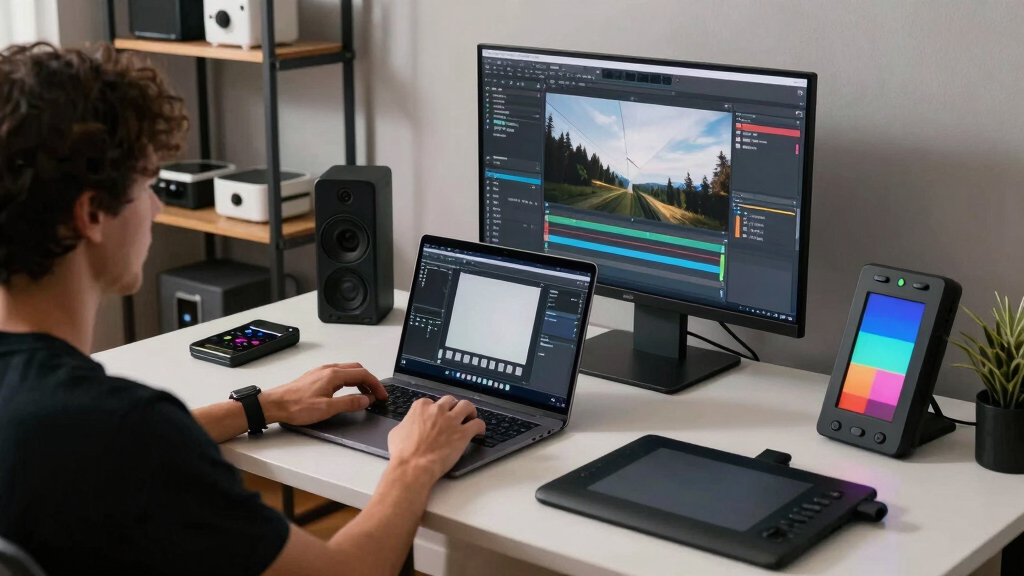
Who benefits most from this approach? Real-world users and scenarios
Power users, small teams, and privacy-conscious organizations find this workflow a game changer. For example, a real estate agent can record a property walkthrough, then instantly generate social snippets, a listing blog, and YouTube titles—all on their own hardware.
Small businesses love the speed and privacy. No cloud contracts, no data leaks, just fast results. Creators benefit too—they get more control over their content and faster turnaround times.
Plus, it’s perfect for scenarios where internet access is limited or unreliable. Local AI keeps your workflow moving regardless of connectivity. This independence allows for uninterrupted productivity, especially in remote locations or during internet outages, ensuring that your content pipeline remains steady regardless of external factors.

What are the limitations? Knowing when this approach might not fit
Local AI isn’t magic—it has constraints. Hardware support is essential. Currently, this setup works best with supported devices like G4, G5, or OMNI cameras, and has a detection throughput limit of around 1,000 detections per hour [1].
Complex multi-camera setups or high-motion environments might hit performance ceilings, requiring more powerful hardware or optimized workflows. Ecosystem lock-in is another consideration—this works best within the UniFi Protect ecosystem, which might limit flexibility for some users. Additionally, AI accuracy can vary depending on lighting, audio quality, and scene complexity, meaning manual review may still be necessary. Recognizing these limitations helps set realistic expectations and guides users to optimize their setups for best results. The tradeoff? Investing in compatible hardware and managing some manual oversight, but understanding these boundaries ensures a smoother experience and prevents overestimating capabilities.

Is this the future? Who should consider switching to local AI workflows
If you value privacy, faster workflows, and full control, this approach is a game-changer. Small teams, privacy-sensitive industries, and creators tired of cloud fees will find it especially appealing. It fundamentally shifts the content production paradigm—moving from reliance on external servers to a self-contained, secure system. This transition enables organizations to build more resilient workflows that are less vulnerable to external disruptions or policy changes. However, it’s not suitable for every scenario; large enterprises with complex, multi-region infrastructure may prefer hybrid or cloud-based solutions that offer scalability and centralized management. Yet, for most individual creators and small businesses, adopting a local AI workflow means gaining independence, reducing costs, and improving data security. As the technology matures, expect more seamless integrations and smarter analysis, making local AI an increasingly attractive option for a broad range of content producers.

FAQs: Your burning questions about local AI publishing workflows
Q1: What exactly does this system do?
It analyzes your video locally, generates metadata, and creates a full set of publishing assets—titles, clips, descriptions, social posts—all on your machine.
Q2: Do I need an internet connection for this?
No, once set up, all processing happens locally. You only need internet if you want to download updates or publish assets.
Q3: Which cameras or devices are supported?
Currently, models like G4, G5, OMNI, and G3 with AI ports are supported, with ongoing updates expanding compatibility.
Q4: How many detections can it handle?
About 1,000 detections per hour, making it suitable for small to medium setups.
Q5: Is there a license fee?
No recurring subscription. It’s a one-time or license-based purchase, keeping costs predictable.
Q6: How does local AI processing compare to cloud-based systems in terms of privacy and speed?
Local AI processing offers full privacy since data stays on your machine, and it’s faster because it eliminates upload and download times. Cloud systems may be easier to set up but often come with recurring costs and privacy concerns, especially with sensitive footage. The tradeoff is that cloud systems might provide more scalable or advanced analysis options, but at the expense of control and ongoing expenses.
Conclusion
Choosing a local-first, cloud-free workflow turns your single video into a powerhouse of content without sacrificing privacy or speed. It’s a smarter way for creators and small teams to work—more control, less hassle.
Imagine a workflow where your footage fuels a flood of assets, all processed on your own hardware. That’s not just the future; it’s happening now—ready for those who value privacy, speed, and complete control.

Fall Picks
fall essentials
As an affiliate, we earn on qualifying purchases.