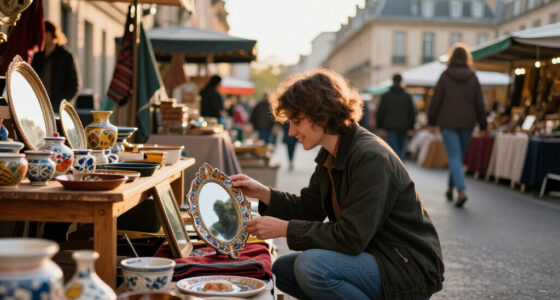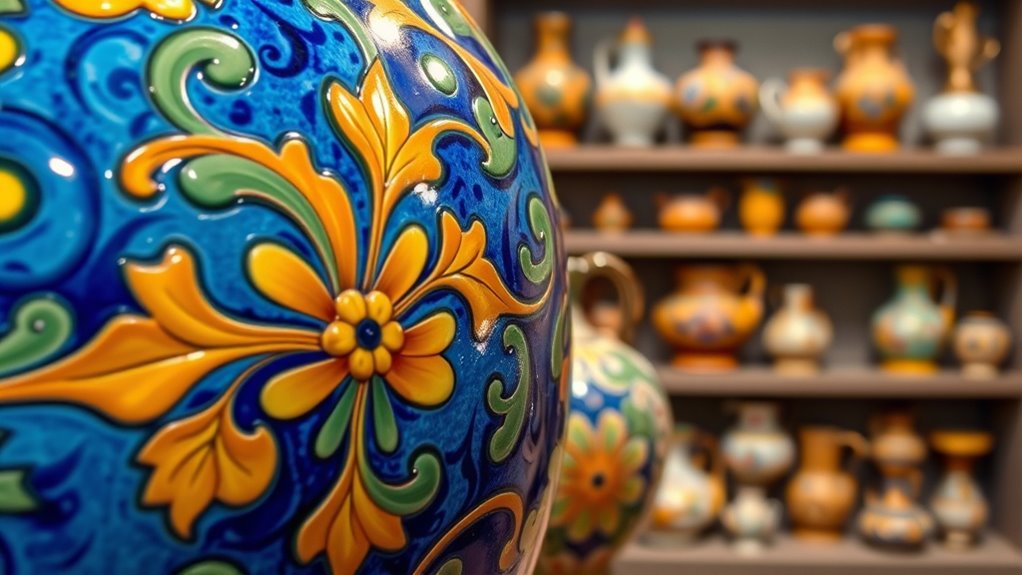

Italian ceramics are a vibrant part of your cultural heritage, showcasing regional traditions like Faenza’s famous majolica with bright colors and elaborate scenes. These crafts reflect centuries of artistic mastery from the Renaissance, blending traditional techniques with innovative designs. From earthy Tuscan tones to intricate patterns, each style tells a story about Italy’s history and craftsmanship. Exploring this heritage reveals how these timeless works continue to inspire today’s artisans and collectors alike.

Get home appliances delivered free — and shop member deals
- Fast, free delivery on millions of items
- Access to Prime Big Deal Days deals on October 6–7
- Prime Video, Amazon Music and more included
Key Takeaways
- Italian ceramics, including majolica from Faenza, embody centuries of regional artistic traditions and cultural identity.
- Renaissance techniques like tin-glazing transformed ceramics into vibrant, decorative art forms with intricate motifs.
- Regional styles, such as bright Faenza majolica and subdued Tuscan ceramics, reflect local resources and cultural influences.
- Preservation efforts ensure the continuation of Italy’s rich ceramic craftsmanship and cultural heritage.
- Modern artisans and collectors continue to draw inspiration from Italy’s storied ceramic legacy, maintaining its artistic significance.
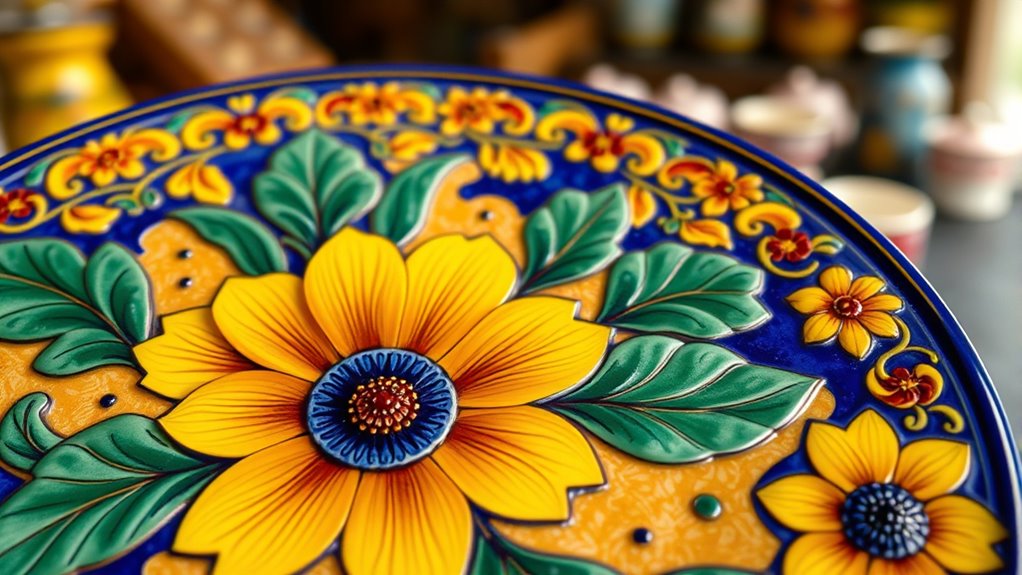
Italian ceramics embody a rich cultural heritage that reflects centuries of artistic innovation and regional traditions. When you explore these exquisite artworks, you’re witnessing the legacy of renaissance craftsmanship, a period marked by renewed interest in classical art, technical mastery, and refined aesthetics. During this era, artisans perfected their skills, blending traditional techniques with new ideas, which set the foundation for Italy’s diverse ceramic traditions. Each region developed its own distinct style, influenced by local resources, cultural exchanges, and historical circumstances. From the vibrant majolica of Tuscany to the intricate painted ware of Deruta, regional styles showcase the unique character and artistic identity of each area.
Italian ceramics reflect centuries of regional artistry and renaissance craftsmanship, blending tradition with innovative techniques.
As you immerse yourself in Italian ceramics, you’ll notice how craftsmanship evolved through the centuries, with artisans passing down skills that combined functional design with artistic expression. Renaissance craftsmanship, in particular, played a pivotal role in elevating ceramics from mere utilitarian objects to works of art. Techniques such as tin-glazing, which gives ceramics a glossy, colorful surface, became a hallmark of Italian pottery. These methods allowed artists to experiment with bold colors, detailed motifs, and intricate patterns, making each piece a testament to the technical ingenuity of the time. The mastery involved in creating these ceramics is evident in the delicate brushwork and vibrant palettes that have remained iconic over the centuries.
Regional styles are especially prominent in Italy’s ceramic landscape. For example, in Faenza, the birthplace of majolica, you’ll find ceramics characterized by bright colors, elaborate scenes, and a playful use of motifs. This style became so influential that the term “faience” is derived from Faenza’s name, signifying a distinctive type of tin-glazed pottery. Meanwhile, in Umbria and Tuscany, you’ll encounter more subdued, earthy tones and simple, elegant forms that emphasize craftsmanship and regional traditions. These differences are not accidental—they reflect local tastes, available materials, and cultural influences that shaped each style.
Furthermore, the preservation of these traditions is supported by ceramics preservation initiatives and cultural heritage programs that help safeguard this artistic legacy for future generations. When you observe Italian ceramics, you’re witnessing more than just decorative objects; you’re experiencing a dialogue between history, artistry, and regional identity. Each piece embodies a story of craftsmanship passed down through generations, constantly refined yet rooted in tradition. The blend of renaissance craftsmanship and regional styles creates a rich tapestry that continues to inspire modern artisans and collectors alike. Italian ceramics, in their vibrant colors and detailed craftsmanship, remain a engaging testament to Italy’s enduring artistic spirit.
As an affiliate, we earn on qualifying purchases.
Frequently Asked Questions
How Did Italian Ceramics Influence European Art Movements?
You see how Italian ceramics shaped European ornamental styles and artistic symbolism, influencing countless art movements. Their intricate designs and vibrant colors inspired Renaissance painters and decorative arts, emphasizing beauty and craftsmanship. By adopting Italian techniques, artists across Europe incorporated ceramic motifs into architecture, furniture, and textiles, elevating the importance of ornamental detail. This cross-cultural exchange fostered a richer, more expressive artistic landscape that endures in European art today.
What Are the Traditional Methods Used in Making Italian Majolica?
You start by shaping the clay, then let it dry before firing it in a kiln. Next, you apply traditional glazing using tin glazing techniques, which create a smooth, white surface ideal for vibrant colors. After glazing, you fire the piece again at a lower temperature. This process gives Italian majolica its distinctive glossy finish and bright, detailed designs, preserving centuries-old craftsmanship.
Which Italian Regions Are Most Famous for Ceramic Production?
Imagine Italy’s ceramic landscape as a vibrant tapestry—you’ll find Tuscany and Umbria shining brightly with their regional styles and artisanal techniques. Tuscany’s bright, colorful majolica and Umbria’s rustic pottery stand out. Lazio and Sicily also boast rich ceramic traditions. Each region offers unique craftsmanship, blending history and artistry. So, when exploring Italian ceramics, these areas are your best starting points to experience authentic regional styles.
How Has Modern Technology Impacted Italian Ceramic Craftsmanship?
Modern technology transforms Italian ceramic craftsmanship by incorporating digital glazing techniques, allowing for precise and innovative designs. You can now use 3D printing to create intricate molds and detailed patterns more efficiently. These advancements enable artisans to blend traditional artistry with modern tools, preserving cultural heritage while expanding creative possibilities. As a result, Italian ceramics remain vibrant, unique, and relevant in today’s global market.
Are There Any Notable Contemporary Italian Ceramic Artists?
You’ll find notable contemporary Italian ceramic artists blending tradition and innovation through contemporary studio ceramics and innovative glazing techniques. These artists push boundaries, creating vibrant, modern pieces that honor Italy’s rich ceramic heritage while embracing new ideas. They inspire you with their creativity, demonstrating how craftsmanship evolves, and showing that Italian ceramics continue to thrive, innovate, and captivate audiences worldwide through their fresh approach and mastery of both classic and modern techniques.
Conclusion
You might think that modern design has replaced traditional ceramics, but the vibrant colors and intricate patterns of Italian majolica and Faenza pieces prove otherwise. While technology advances, the timeless craftsmanship and cultural stories embedded in these ceramics remain unchanged. It’s a beautiful contrast: centuries-old artistry coexisting with today’s innovations, reminding you that true heritage isn’t just preserved but continues to inspire, blending the old with the new in an ongoing celebration of Italian craftsmanship.
NFL season / tailgating Picks
team gear
As an affiliate, we earn on qualifying purchases.