
Italian mythology and folktales are filled with legendary creatures, brave heroes, and moral lessons that shape Italy’s cultural identity. You might hear stories of sea monsters lurking in the Mediterranean or heroes like Hercules and Orpheus demonstrating strength and virtue. These tales teach values like courage, cleverness, and respect for nature. If you keep exploring, you’ll discover how these myths continue to inspire and influence modern Italian storytelling and cultural heritage.

Get home appliances delivered free with Prime
- Fast, free delivery on millions of items
- Prime Video, Amazon Music and more included
- Member-only deals all year
Key Takeaways
- Italian mythology features legendary creatures like sea monsters symbolizing nature’s power and human fears of the unknown.
- Heroes such as Hercules and Orpheus exemplify virtues like bravery, perseverance, and moral integrity in folktales.
- Marine monsters serve as cautionary tales, warning sailors of dangers and emphasizing respect for natural forces.
- Stories teach morals of cleverness, humility, kindness, and the importance of resilience through heroic adventures.
- Modern storytelling preserves these myths, highlighting cultural values and inspiring new generations in Italy.
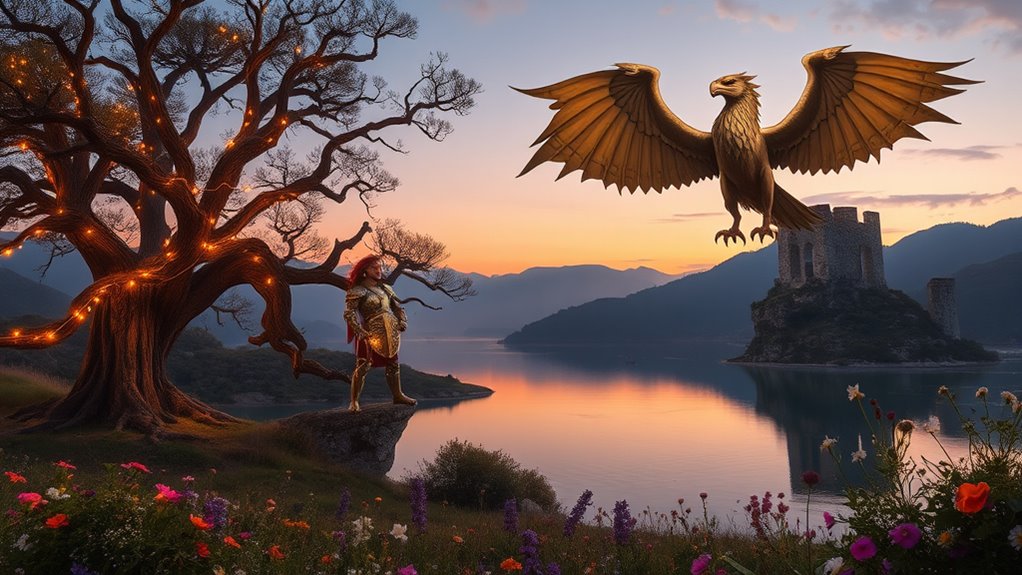
Have you ever wondered about the rich tapestry of stories that shaped Italy’s cultural identity? Italian mythology is filled with vivid tales of legendary heroes and mysterious creatures that have been passed down through generations. Among these stories, marine monsters and heroic figures stand out as symbols of strength, curiosity, and moral lessons. These stories often served to explain natural phenomena, teach values, or simply entertain, weaving a complex fabric of beliefs that continue to influence Italian culture today.
Imagine venturing into the depths of the Mediterranean Sea, where sailors once whispered about monstrous beings lurking beneath the waves. These marine monsters weren’t just terrifying creatures; they embodied fears of the unknown and the dangers of venturing beyond safe shores. Legends speak of sea serpents, giant octopuses, and terrifying leviathans that challenged brave explorers and fishermen alike. These stories served as cautionary tales — warning sailors of the perils that awaited in uncharted waters. Yet, they also celebrated the courage needed to confront the mysteries of the sea, a theme that echoes through Italy’s maritime history. These monsters symbolize the unpredictable power of nature and the human spirit’s resilience in facing it.
Ancient sailors feared sea monsters, symbols of nature’s power and human resilience amid uncharted waters.
Alongside these aquatic beasts, Italy’s mythology is rich with legendary heroes whose deeds echo through time. These heroes often represent virtues such as bravery, honor, and justice. Think of figures like Hercules, whose strength and cleverness allowed him to complete seemingly impossible tasks. Or the myth of Orpheus, a musician whose love and determination led him to venture into the underworld. These legendary figures serve as moral exemplars, teaching lessons about perseverance, humility, and the importance of faith. They remind you that heroism isn’t just about physical strength but also about moral integrity and resilience in adversity.
Italian folktales also weave morals into their stories, often illustrating the importance of cleverness, kindness, and respect for nature. The stories about marine monsters and legendary heroes aren’t just entertainment—they’re lessons about human nature and how to live a good life. You might hear tales of fishermen outwitting monstrous sea creatures through wit or stories of heroes who learn humility after a defeat. These stories encourage you to face your fears, value wisdom over brute force, and respect the natural world’s power. Additionally, the incorporation of adaptive learning technologies in storytelling has helped preserve and modernize these narratives, making them accessible and engaging for new generations. They’re timeless reminders that courage, cleverness, and moral integrity are essential qualities that define the human experience. Through these mythic tales, Italy’s cultural identity continues to thrive, inspiring new generations to embrace their own stories of heroism and discovery.
As an affiliate, we earn on qualifying purchases.
Frequently Asked Questions
How Did Italian Mythology Influence Modern Italian Culture?
Italian mythology shapes your modern culture through urban legends and culinary traditions. You might hear stories about legendary creatures or heroes that reflect Italy’s rich history, influencing local tales. Italian cuisine also carries mythological roots, with dishes tied to ancient legends or regional customs. These elements keep the mythology alive, reminding you of Italy’s heritage and inspiring contemporary stories, festivals, and even food practices that embody its cultural legacy.
Are There Any Regional Differences in Italian Folktales?
You’ll notice regional variations in Italian folktales that weave through every town and village, each with its own unique flavor. These tales reflect local landscapes, customs, and folklore themes, creating vivid imagery of mountains, coastlines, and bustling markets. As you explore, you’ll see how these regional differences shape stories, making each folktale a rich tapestry that captures the essence of its community’s history and values.
What Are the Earliest Known Italian Mythological Stories?
You’ll find that the earliest known Italian mythological stories stem from ancient oral traditions, dating back to Etruscan and Roman times. These stories feature early mythological characters like Romulus and Remus, gods, and legendary heroes. You might discover that these tales were passed down orally for generations before being written down, revealing Italy’s rich cultural history and the deep roots of its mythological origins.
How Are Italian Mythological Creatures Depicted in Art?
Did you know that depictions of mythological creatures in Italian art date back to the Renaissance? You’ll see these creatures vividly brought to life through diverse artistic styles, from detailed frescoes to intricate sculptures. Artists often emphasize dramatic expressions and vivid colors to highlight their mystical qualities. These depictions reflect Italy’s rich folklore, blending myth and reality, and showcasing how Italian artists celebrate legendary beings through timeless visual storytelling.
Do Italian Myths Share Similarities With Greek or Roman Mythology?
Yes, Italian myths share similarities with Greek and Roman mythology through shared themes like heroism, divine intervention, and morality. You’ll notice mythological parallels in stories of gods, monsters, and legendary figures that reflect common cultural values. These connections highlight how Italian stories, though unique, are influenced by broader Mediterranean traditions, creating a rich tapestry of shared themes that reveal universal human concerns across ancient civilizations.
Conclusion
As you explore Italian mythology and folktales, you uncover a tapestry woven with vibrant creatures, daring heroes, and timeless morals. These stories are like ancient keys opening hidden chambers of the soul, revealing the heartbeats of a land rich in mystery and wonder. Embrace their magic, and let their timeless echoes guide you through your own journey, where every legend whispers secrets, and every moral shines as brightly as the Italian sun beneath a twilight sky.
Columbus Day / Indigenous Peoples' Day Picks
long weekend sales
As an affiliate, we earn on qualifying purchases.