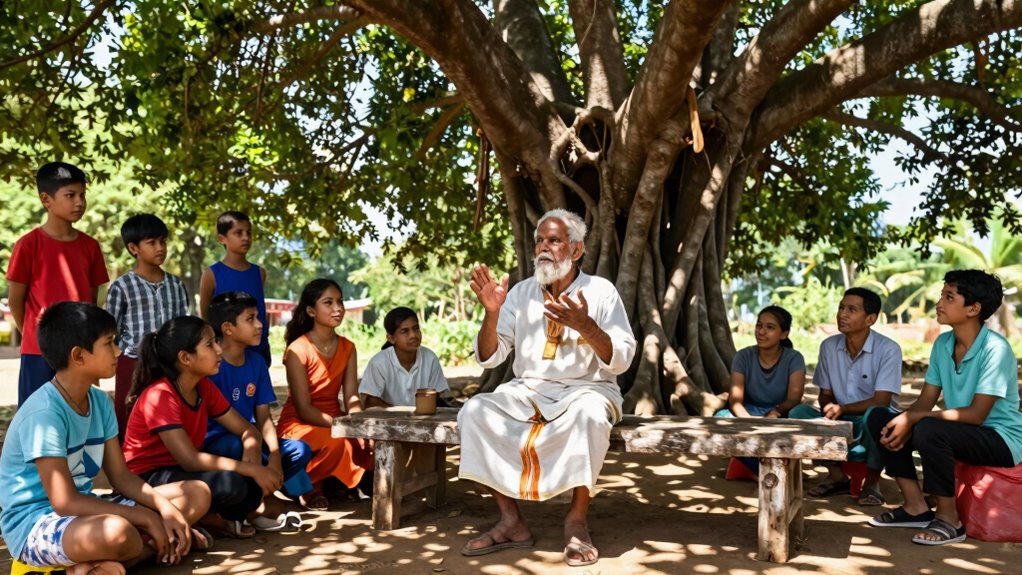

Oral tradition still deserves a place in modern media because it keeps cultural identities alive and fosters personal connections that digital media often lack. Live storytelling, podcasts, or social media allow you to experience stories authentically and emotionally, making them more meaningful. These traditions adapt as society changes, giving voice to marginalized communities and keeping ancient stories relevant. If you want to see how oral storytelling continues to shape cultures today, keep exploring this vibrant art form.

Get home appliances delivered free with Prime
- Fast, free delivery on millions of items
- Prime Video, Amazon Music and more included
- Member-only deals all year
Key Takeaways
- Oral tradition preserves cultural values and identity, adapting stories for contemporary relevance through modern media platforms.
- Live storytelling creates authentic emotional connections that static digital content cannot replicate.
- Digital media broadens access, allowing diverse communities to share and sustain their oral histories globally.
- Improvisation and personal touches in oral storytelling enrich cultural understanding and engagement.
- Maintaining oral traditions in media fosters community bonds and preserves intangible cultural heritage.
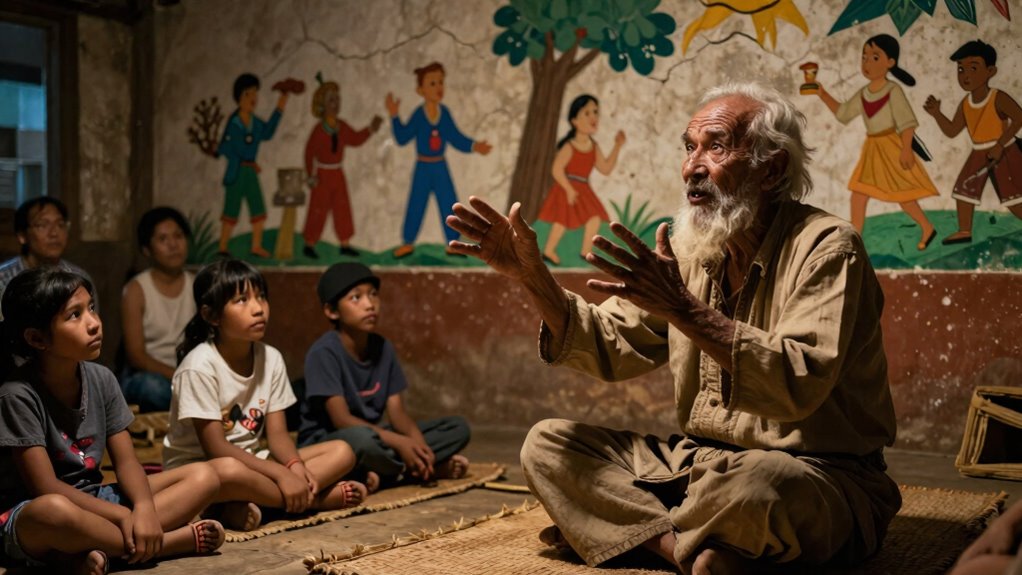
Have you ever wondered how ancient stories and traditions survive in today’s digital age? It’s fascinating to see how myths, legends, and cultural narratives continue to thrive, even as technology rapidly evolves. This is largely because oral tradition — a cornerstone of mythical storytelling — remains a powerful way to connect us to our roots. When you listen to stories passed down through generations, you’re not just hearing entertainment; you’re engaging in cultural preservation. These stories carry the values, morals, and histories of communities, serving as living records that adapt and endure over time.
Oral tradition keeps ancient stories alive, connecting us to our roots and preserving cultural values through generations.
In a world dominated by screens and digital content, it’s easy to think that storytelling has shifted entirely into the domain of books, movies, and podcasts. But the essence of oral tradition persists because it creates a personal, immediate connection. When someone shares a story aloud, they add a layer of emotion and authenticity that static media often lacks. This active form of storytelling makes the audience feel involved, more present in the narrative. As a result, myths and traditions aren’t just remembered—they’re experienced.
Modern media has the potential to amplify mythical storytelling in ways that weren’t possible before. Podcasts, live performances, and social media platforms enable storytellers to reach wider audiences while maintaining the intimacy of oral transmission. You can listen to tales from distant cultures as if they’re being told right in your living room. This accessibility helps keep these stories alive and relevant, bridging generations and geographies. It also encourages cultural preservation, giving marginalized communities a voice and a platform to share their heritage. Recognizing the cultural significance of oral storytelling as a vital aspect of heritage helps emphasize its value in contemporary society.
Furthermore, integrating oral traditions into modern media doesn’t mean replacing written or visual storytelling; it enriches it. When stories are told aloud, they often incorporate improvisation, humor, and personal touches that make each retelling unique. These elements foster a deeper understanding and appreciation of the cultural context behind the stories. As you engage with these oral narratives, you’re not just consuming content—you’re participating in a living tradition that adapts and evolves with society. Recognizing the power of storytelling as a dynamic and evolving practice underscores its importance in maintaining cultural identity. Additionally, the preservation of cultural heritage through oral traditions ensures that valuable knowledge and practices are passed down, safeguarding community identity amid rapid societal change. This ongoing exchange helps reinforce a connection to ancestral roots, strengthening community bonds and fostering a sense of belonging.
A connection to ancestral roots is often strengthened through these oral exchanges, fostering a sense of belonging and continuity. Ultimately, oral tradition deserves a place in modern media because it embodies the human need for storytelling that’s personal, immediate, and meaningful. It’s a crucial link to our past, reminding us of who we are and where we come from. By preserving and sharing myths through contemporary channels, you help guarantee that these stories continue to inspire, educate, and connect us all.
podcast microphone for storytelling
As an affiliate, we earn on qualifying purchases.
As an affiliate, we earn on qualifying purchases.
Frequently Asked Questions
How Can Oral Tradition Be Preserved in Digital Formats?
You can preserve oral tradition in digital formats through audio archiving, which safeguards stories and songs for future generations. By recording and storing these oral histories, you actively contribute to cultural preservation, ensuring traditions aren’t lost. Sharing these recordings online or in digital libraries makes them accessible worldwide, allowing others to learn and connect with their heritage. This approach keeps oral tradition alive in the digital age, fostering cultural continuity.
What Are the Challenges of Integrating Oral Stories Into Modern Media?
You might worry that integrating oral stories into modern media risks losing storytelling authenticity, but careful adaptation can safeguard cultural preservation. Challenges include balancing technological limitations and respecting original narratives. To succeed, you must capture the essence of oral storytelling while leveraging digital tools. This approach ensures that the richness of tradition remains intact, connecting modern audiences with cultural histories without diluting their depth or significance.
Can Oral Tradition Influence Contemporary Storytelling Techniques?
Yes, oral tradition can influence contemporary storytelling techniques by emphasizing narrative authenticity and cultural continuity. When you incorporate oral storytelling methods, you preserve genuine voices and traditions, making stories more relatable and vibrant. This approach helps modern media connect audiences with deeper cultural roots, fostering a sense of shared history. As a result, your stories gain richness and authenticity, ensuring cultural narratives remain alive and impactful in today’s digital age.
How Does Oral Tradition Impact Cultural Identity Today?
You might not realize it, but over 40% of the world’s population still practices oral traditions daily. This profoundly impacts cultural identity today by fostering cultural continuity and reinforcing a sense of belonging. Oral stories preserve traditions, language, and history, helping communities stay connected to their roots. By passing down narratives orally, you keep cultural identity alive, ensuring that future generations understand and value their unique heritage.
Are There Successful Examples of Oral Tradition in Mainstream Media?
Yes, there are successful examples of oral tradition in mainstream media. You see this through storytelling techniques used in radio shows, podcasts, and documentaries that preserve cultural narratives. These mediums actively engage audiences, making history and traditions accessible and lively. By embracing oral storytelling methods, media outlets help with cultural preservation, ensuring that age-old stories continue to resonate and educate generations in a modern world.
Conclusion
Just like a river flows steadily, oral tradition keeps stories alive, weaving a continuous thread through time. In modern media, embracing this ancient craft enriches our digital landscape, giving voice to our roots and preserving unique cultures. Don’t let these stories fade into silence; instead, be the current that carries them forward. By valuing oral tradition, you help keep the tapestry of human history vibrant, dynamic, and forever flowing.
Halloween Picks
halloween
As an affiliate, we earn on qualifying purchases.