
TL;DR

Get home appliances delivered free with Prime
- Fast, free delivery on millions of items
- Prime Video, Amazon Music and more included
- Member-only deals all year
A Hunker report advises winterizing riding lawn mowers after the final mowing of the season, even in areas with mild winters. It highlights battery maintenance and fuel stabilization as priorities, while the exact steps can vary by mower and its manual.
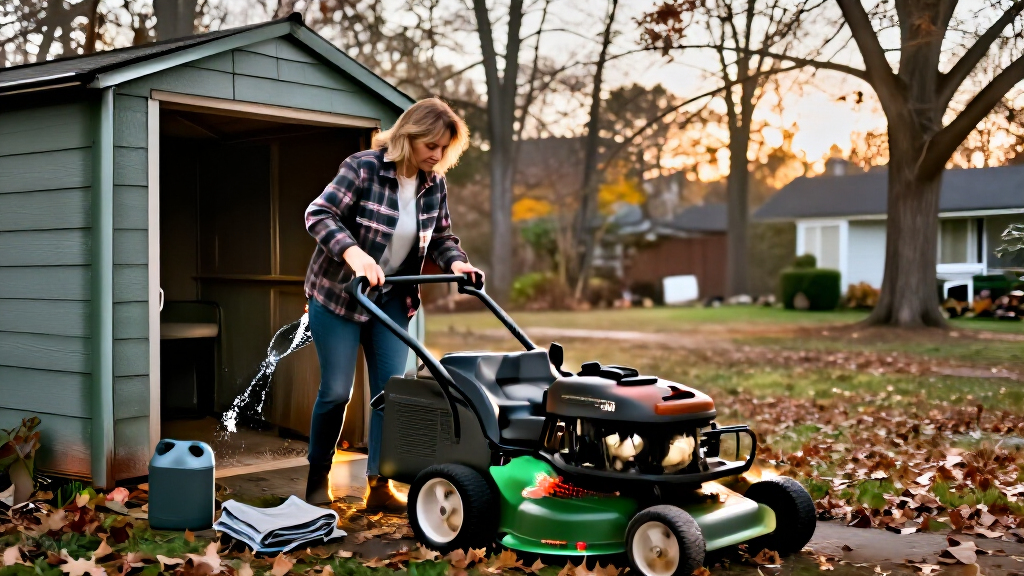
Riding lawn mowers should be prepared for storage after the last mowing of the season, according to a Hunker report, which says leaving a mower unused for months can contribute to fuel-system problems, battery discharge and corrosion. The advice applies in mild climates as well as places with freezing winters, though the specific maintenance steps depend on the machine.
The report describes winterization as fall maintenance intended to leave a mower ready for the next mowing season. It recommends storing the machine away from snow and ice; prolonged exposure can affect metal, plastic and electrical components, and snow sitting on the mower may put pressure on its deck, chute or wheels. These are risks cited by the report, not evidence that every mower left outside will suffer damage.
Battery maintenance and fuel stabilization are identified as the most important steps when time is limited. Hunker advises disconnecting the battery, checking its terminals for corrosion and cleaning any buildup with a suitable method. It says the battery should be wiped clean and stored somewhere cool and dry. Owners should consult their mower’s manual for the manufacturer’s instructions on battery removal and storage.
For fuel, the report says gasoline can begin to break down after about a month and that ethanol-blended fuel can absorb moisture, potentially contributing to deposits or corrosion in the fuel system. It recommends adding fuel stabilizer according to product directions, or removing remaining fuel after the final mow. The report cautions that draining fuel may leave deposits that require carburetor cleaning later. It estimates the full process may take an hour or two, depending on the mower and tasks involved.
Protecting a Mower During Storage
Seasonal storage can last for months, leaving fuel and a battery idle for an extended period. Preparing the mower before that downtime may reduce the chance of spring starting problems and avoid damage associated with neglect or weather exposure. Fuel and battery care matter even where temperatures rarely fall below freezing, because inactivity itself can affect equipment.
The guidance also helps owners prioritize if they cannot complete every maintenance task. Hunker puts fuel stabilization and battery maintenance first, while proper storage offers another layer of protection. These measures are maintenance advice rather than a guarantee against repairs; worn parts, existing damage and model-specific requirements can still affect performance.
riding lawn mower battery maintainer
As an affiliate, we earn on qualifying purchases.
As an affiliate, we earn on qualifying purchases.
Why Seasonal Storage Needs Preparation
The report frames the trigger for winterization as the end of regular mowing, rather than a particular calendar date or temperature. Once the mower is no longer needed for the season, it may sit unused until spring. That period of inactivity is relevant in both cold and relatively warm regions.
Cold-weather exposure adds separate concerns: Hunker says freezing conditions can make plastic parts brittle, contribute to electrical problems and allow metal parts to rust. It also notes that accumulated snow can place weight on the mower. Owners should use the storage and maintenance instructions for their particular model, since the report’s general advice does not replace a manufacturer’s manual.
““focusing on battery maintenance and fuel stabilization matters the most.””
— Hunker report
Model-Specific Steps Still Vary
The report offers general seasonal guidance, but it does not establish one procedure suitable for every riding mower. Battery removal, fuel handling and storage requirements can vary by model, and the source does not provide manufacturer-specific instructions or test results comparing different stabilizers. It also does not quantify how often the cited problems occur or the cost of resulting repairs.
Owners should check the operator’s manual before disconnecting a battery, draining fuel or performing other maintenance. The report’s suggested one-to-two-hour timeframe is an estimate, not a fixed duration for all machines.
Before the Mower Sits Idle
After the last mow, owners can review the manual’s storage instructions, clean and inspect the machine, and address the battery and fuel before putting it away. If using stabilizer, follow the product label and the mower manufacturer’s directions. Store the mower in a dry, sheltered location where it will not be exposed to snow or placed under heavy objects.
Before mowing resumes, inspect the mower and follow the manual’s startup and maintenance checks. Any uncertainty about fuel-system work or battery handling is a reason to contact a qualified small-engine service professional.
Key Questions
Do riding lawn mowers need winterizing in mild climates?
Hunker says seasonal preparation is still useful in mild climates because a mower sitting unused for months can develop fuel or corrosion issues, even without freezing weather.
What should I prioritize if I have limited time?
The report singles out battery maintenance and fuel stabilization. Check the owner’s manual for the right procedure for your model.
Should I stabilize or drain the mower’s fuel?
Hunker describes both as options: use a stabilizer according to its label, or remove remaining fuel after the final mow. Fuel-system instructions vary, so consult the mower manual before choosing.
Where should I store a riding mower for winter?
The report recommends keeping it sheltered from snow and ice. A dry storage area can help limit weather exposure; follow the manufacturer’s storage instructions.
Source: rss
Cold & flu season Picks
humidifiers
As an affiliate, we earn on qualifying purchases.