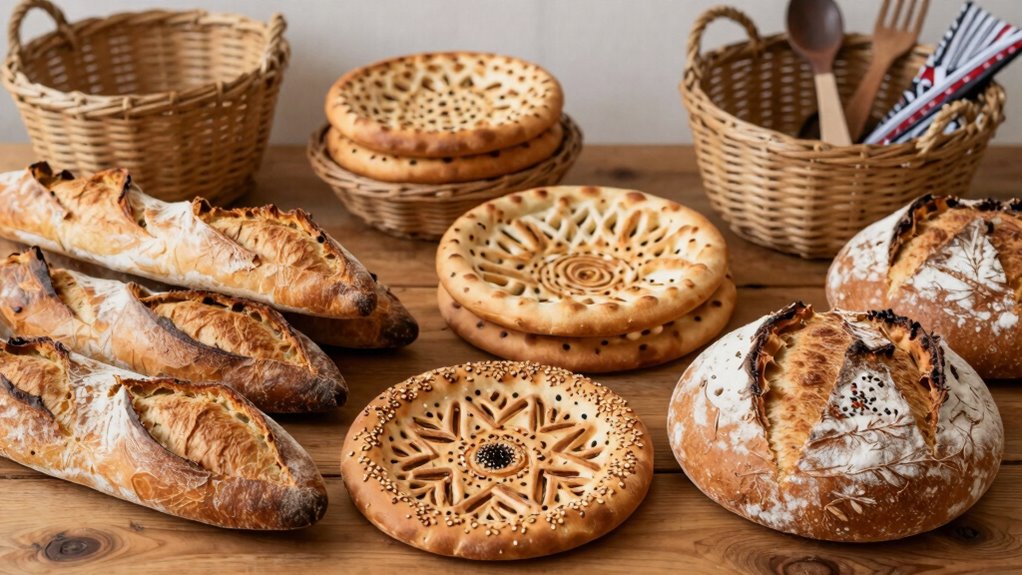

Regional bread traditions reveal far more than just flavor; they reflect your community’s history, environment, and cultural resilience. By exploring fermentation methods, you uncover local ingredients, climate influences, and age-old techniques passed down through generations. These practices show how communities adapt to their surroundings and maintain identities despite outside influences. If you look closer, you’ll discover the stories and values woven into each loaf, offering a deeper understanding of their rich cultural tapestry.

Get home appliances delivered free — and shop member deals
- Fast, free delivery on millions of items
- Access to Prime Big Deal Days deals on October 6–7
- Prime Video, Amazon Music and more included
Key Takeaways
- Regional bread fermentation techniques reflect local environmental conditions, climate, and resources, revealing geographic and ecological adaptations.
- Bread-making practices preserve cultural identity and oral traditions, illustrating historical resilience and community cohesion.
- Fermentation durations and methods indicate social structures, seasonal cycles, and communal collaboration within regions.
- Unique fermentation methods embody environmental resilience, resourcefulness, and cultural symbolism beyond just flavor profiles.
- Studying regional bread traditions offers insights into historical land use, environmental challenges, and cultural endurance.
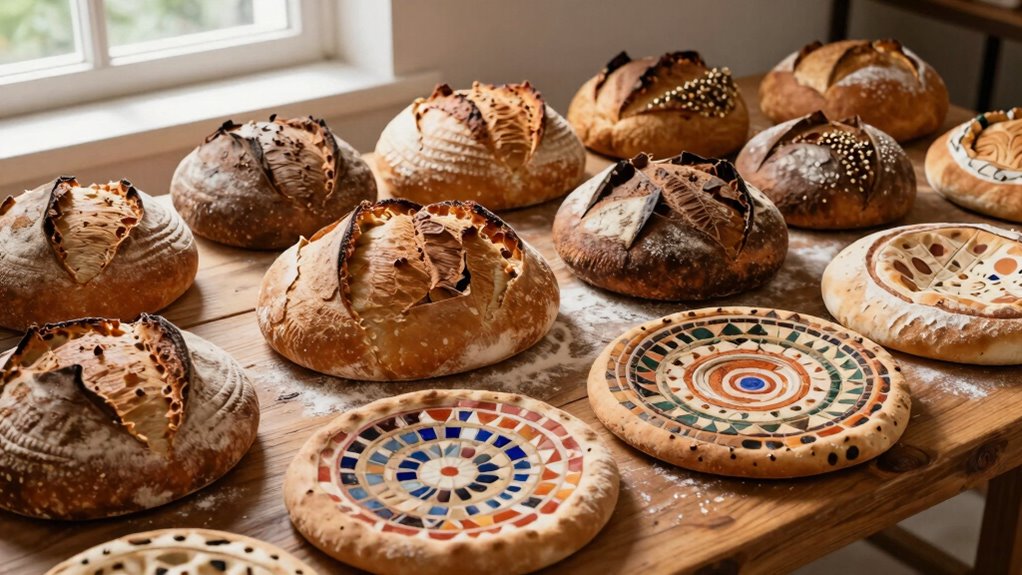
Bread has long been a symbol of cultural identity, with each region developing its own unique traditions and recipes. When you look at a loaf, you’re not just seeing a food item—you’re glimpsing centuries of history, beliefs, and community practices. One of the most telling aspects of regional bread traditions is bread fermentation. This process isn’t just about making bread rise; it’s deeply intertwined with local environments, ingredients, and techniques passed down through generations. In some places, wild yeast from the air is captured and cultivated, giving the bread a distinctive flavor that can’t be replicated elsewhere. In others, sourdough starters are carefully maintained, becoming living symbols of local resilience and patience. Each method of fermentation reflects a community’s relationship with nature and their understanding of time. The way bread ferments in a particular region reveals much about that area’s climate, available ingredients, and even social structures—long fermentation times often indicate communal work or seasonal cycles. This process also carries cultural symbolism, representing sustenance, tradition, and the patience needed to nurture community bonds. When you observe or taste regional bread, you’re experiencing furthermore more than just flavor—you’re engaging with a story of cultural resilience. Additionally, the techniques used in fermentation can serve as environmental adaptations, revealing how communities have historically responded to their local climates and resources. Recognizing these techniques offers insight into a community’s environmental resilience and resourcefulness in utilizing local ingredients. Moreover, these methods are often passed down through generations, emphasizing the importance of oral traditions and communal knowledge in maintaining regional identity. Understanding these fermentation practices can also provide clues about a community’s climate and geography, shaping their culinary traditions over centuries. The preservation of these traditions often depends on cultural continuity, ensuring that knowledge and practices remain alive despite external changes.
As an affiliate, we earn on qualifying purchases.
Frequently Asked Questions
How Do Regional Ingredients Influence Bread Recipes?
Regional ingredients shape bread recipes by introducing local flavors and textures. You’ll notice sourdough fermentation varies with climate and flour types, creating unique tangs and crusts. Additionally, you might incorporate regional spice blends or herbs, adding distinct aroma and taste. These ingredients influence fermentation times and dough handling, resulting in breads that reflect their geographic origin. Embracing local ingredients helps you craft authentic, culturally rich loaves that tell a story beyond just ingredients.
What Role Does Climate Play in Bread-Making Techniques?
Climate plays a vital role in bread-making techniques by driving climate adaptation strategies and influencing bread preservation. You’ll find that in colder regions, methods focus on maintaining warmth and preventing spoilage, while in humid areas, techniques emphasize moisture control to avoid mold. These adaptations help preserve bread longer and guarantee it stays fresh, revealing how local climate shapes traditions and techniques that go beyond ingredients alone.
Are Regional Breads Linked to Local Cultural Festivals?
Yes, regional breads are often linked to local festivals, reflecting festive celebrations that honor cultural heritage. You’ll notice these breads carry deep culinary symbolism, symbolizing prosperity, community, or spiritual beliefs during special occasions. When you partake in these traditions, you actively connect with local history and values. These breads become more than just food—they embody the spirit of the festival, fostering a sense of unity and cultural pride among communities.
How Have Trade Routes Affected Regional Bread Varieties?
Ancient trade routes have profoundly shaped regional bread varieties by enabling culinary fusion across cultures. As you explore different breads, you’ll notice ingredients and techniques traveled along these routes, blending flavors and traditions. This exchange introduced new grains, spices, and methods, creating unique breads that reflect diverse influences. Trade fostered innovation, making each regional bread a delicious symbol of history’s interconnectedness and shared culinary heritage.
Do Regional Bread Traditions Preserve Ancient Baking Methods?
Think of regional bread traditions as living museums, preserving ancient fermentation techniques and traditional shaping methods like delicate heirlooms. You’ll notice that these bakeries keep their ancient secrets alive, passing down skills through generations. Every loaf tells a story of time-tested rituals, where fermentation breathes life into dough, and shaping reflects cultural pride. By embracing these methods, you’re tasting history, a flavorful bridge connecting past and present in every bite.
Conclusion
So, next time you bite into a piece of bread from a different region, remember—you’re tasting more than just ingredients. There’s history, culture, and stories woven into every crumb, waiting to be uncovered. What secrets do these traditions hold? The answers might surprise you. Keep exploring, keep savoring—because each loaf is a doorway into a world you’ve yet to fully discover. And who knows? Your next favorite bread could be hiding just around the corner.
NFL season / tailgating Picks
team gear
As an affiliate, we earn on qualifying purchases.