Cheese aging is a fascinating process where tiny microbes like bacteria, molds, and yeasts work together to develop its rich flavors, textures, and aromas. During fermentation, these microorganisms break down fats, proteins, and lactose, transforming fresh cheese into a complex delicacy. Environmental factors like temperature and humidity help shape their activity, creating unique profiles for each cheese. If you’d like to discover how this microbial teamwork crafts iconic Italian cheeses, there’s more to explore below.

Get home appliances delivered free — and shop member deals
- Fast, free delivery on millions of items
- Access to Prime Big Deal Days deals on October 6–7
- Prime Video, Amazon Music and more included
Key Takeaways
- Fermentation transforms fresh cheese into complex flavors, textures, and aromas through microbial activity during aging.
- Microbial communities, including bacteria, molds, and yeasts, drive flavor development and structural changes in Italian cheeses.
- Different cheese types (hard vs. soft) utilize distinct microbes that influence their unique taste and texture profiles.
- Environmental factors like temperature and humidity shape microbial interactions and contribute to rind formation and flavor nuances.
- The balance of microbes and environmental conditions reflects centuries of tradition, science, and craftsmanship in cheese aging.
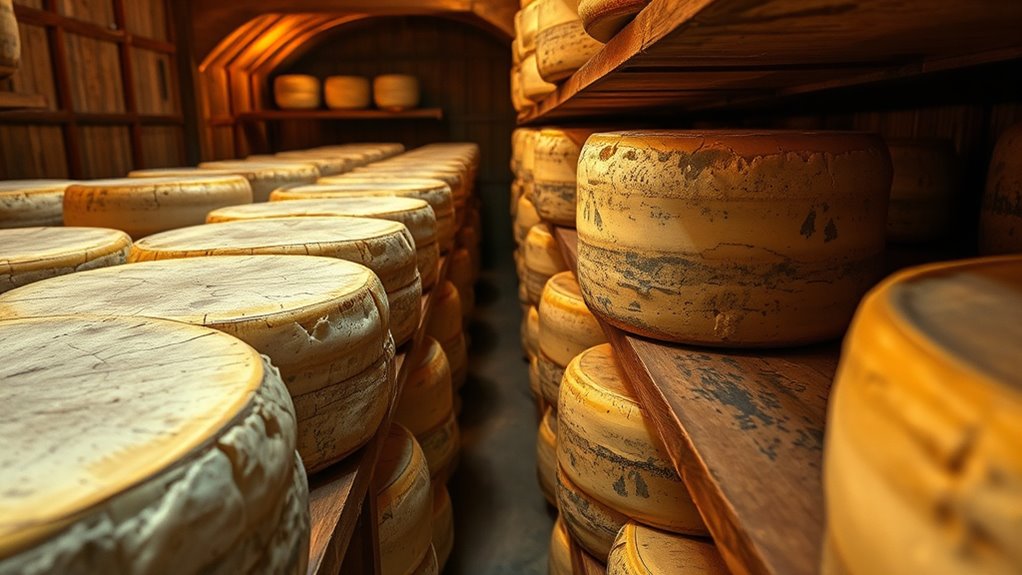
Aging is a essential process that transforms fresh cheese into a complex, flavorful delicacy. During this stage, fermentation processes play a pivotal role, shaping the cheese’s texture, aroma, and taste. As you observe the aging process, you might wonder what makes each cheese unique. The answer lies in the microbial communities involved. These tiny organisms—bacteria, molds, and yeasts—work together during aging, influencing every aspect of the cheese’s development. They break down fats, proteins, and lactose, creating new flavors and modifying the cheese’s structure over time. The specific strains present, along with environmental factors like temperature and humidity, determine the final profile of each cheese. For example, in Italian cheeses like Parmigiano-Reggiano or Pecorino Romano, these microbial communities are carefully managed to guarantee authenticity and consistency. They establish a symbiotic environment that fosters the development of characteristic flavors. microbial communities are integral to shaping the unique profiles of aged cheeses.
As you explore deeper into cheese aging, you’ll notice how fermentation processes differ based on the type of cheese and the desired outcome. For hard, aged cheeses, the microbial communities are often more diverse and resilient, capable of surviving long aging periods. These microbes gradually digest the cheese’s proteins and fats, creating a complex mosaic of umami flavors, nutty undertones, and crystalline textures. In contrast, softer cheeses might involve different microbes that produce milder, more delicate profiles. The process isn’t just about flavor; it also affects the cheese’s texture, moisture content, and appearance. Throughout aging, microbes continue to evolve, sometimes forming characteristic rind formations or mold patterns that are integral to the cheese’s identity.
Understanding the science behind microbial communities helps you appreciate the craftsmanship behind Italian cheeses. Each batch is a living, breathing ecosystem, carefully monitored to guarantee the right balance of microbes. This delicate balance influences not only the taste but also the safety and quality of the final product. The aging environment, including humidity and temperature, further shapes these microbial interactions, making each cheese a unique product of its surroundings. When you taste a piece of aged Italian cheese, you’re experiencing the culmination of these complex fermentation processes and microbial collaborations. This knowledge enhances your appreciation, turning each bite into an exploration of science, tradition, and artistry that has been perfected over centuries.
As an affiliate, we earn on qualifying purchases.
Frequently Asked Questions
How Does Aging Affect Cheese Flavor Complexity?
Aging enhances cheese flavor complexity by allowing fermentation techniques to develop rich, layered tastes over time. During storage in controlled environments, bacteria and molds break down proteins and fats, creating new flavor compounds. You’ll notice subtler, more nuanced flavors as the cheese matures. Proper aging conditions are essential, as they influence the fermentation process and help achieve the desired depth and character in your cheese.
What Role Do Microorganisms Play in Cheese Aging?
Microorganisms are crucial in cheese aging because they drive fermentation processes that develop flavor and texture. You’ll find microbial communities working inside the cheese, breaking down fats and proteins, which enhances complexity. These microbes, including bacteria and molds, influence the cheese’s aroma, taste, and rind formation. By actively participating in fermentation, they transform fresh cheese into a mature, flavorful product, making microbial activity essential to aging.
How Do Climate Conditions Influence Aging Processes?
Think of climate as the chef’s secret ingredient in aging techniques. Warm, humid conditions accelerate aging, creating softer, creamier cheeses, like a summer sun ripening fruit. Cooler environments slow down the process, developing complex flavors over time. You’ll notice Italian cheeses like Parmigiano-Reggiano mature differently depending on climate influence, which cheese makers carefully control to achieve their desired taste and texture. Climate truly shapes the cheese’s personality.
Can Cheese Be Aged Multiple Times? Why or Why Not?
Yes, you can age cheese multiple times, but it’s uncommon. Repeated aging often leads to flavor enhancement, creating complex, layered profiles. However, some cheeses may lose their original qualities or develop off-flavors if over-aged. You need to carefully monitor conditions and the cheese’s response, as not all cheeses are suitable for multiple aging cycles. Proper technique guarantees you get the desired flavor depth without compromising quality.
What Are the Health Benefits of Aged Italian Cheeses?
Aged Italian cheeses offer notable health benefits, including nutritional advantages like high calcium and protein content that support your bone health and muscle function. They also contain antioxidant properties, which help protect your cells from damage. Eating these cheeses in moderation can boost your immune system and overall well-being. So, enjoy the rich flavors while reaping the health perks that come with age and craftsmanship.
Conclusion
Now that you understand cheese aging, you’re like a master alchemist transforming simple milk into a treasure trove of flavors. Remember, patience is your secret ingredient, allowing each cheese to develop its unique personality. Just as a fine wine matures over time, Italian cheeses reveal their true character when given the right environment. So, embrace the journey of aging—it’s where the magic happens, turning humble ingredients into a symphony of taste waiting to be savored.
NFL season / tailgating Picks
team gear
As an affiliate, we earn on qualifying purchases.