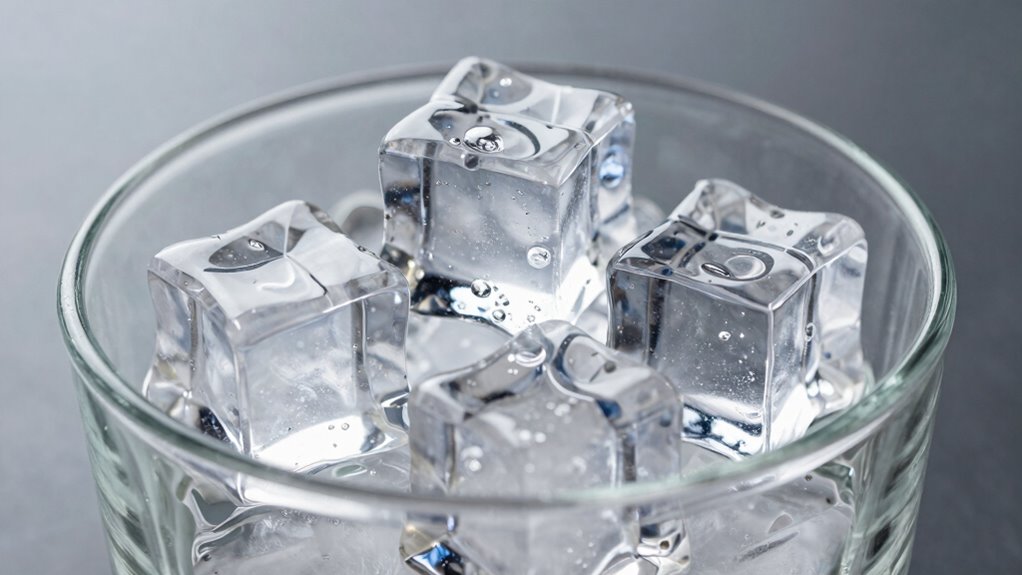

To make clear ice at home, focus on slow freezing techniques. Use filtered water and freeze it gradually in an insulated container, preferably uncovered, to allow impurities and air bubbles to escape. Avoid rapid freezing, which traps trapped air and causes cloudiness. Proper temperature control and careful handling result in stunning, transparent cubes that elevate your cocktails’ presentation. Want to discover simple steps and tips to create perfect clear ice every time? Keep going for the details.
Key Takeaways
- Use filtered or distilled water to reduce impurities that cause cloudiness.
- Freeze water slowly at around 0°C or below, preferably in an insulated container.
- Freeze from top to bottom to allow impurities and air to escape, resulting in clearer ice.
- Boil water before freezing to remove dissolved gases and improve transparency.
- Avoid rapid freezing; instead, let ice form gradually for a pristine, cocktail-quality appearance.

Clear Ice Cube Tray for Whiskey: FDDBI 2Inch Clear Ice Cube Maker – Silicone Large Ice Cube Tray – Square Ice Tray for Bourbon Old Fashioned Whisky
CRYSTAL CLEAR ICE CUBE TRAY: Clear ice cube maker uses innovative directional freezing technology. The foam insulation box…
As an affiliate, we earn on qualifying purchases.
As an affiliate, we earn on qualifying purchases.
Why Clear Ice Looks Better for Cocktails
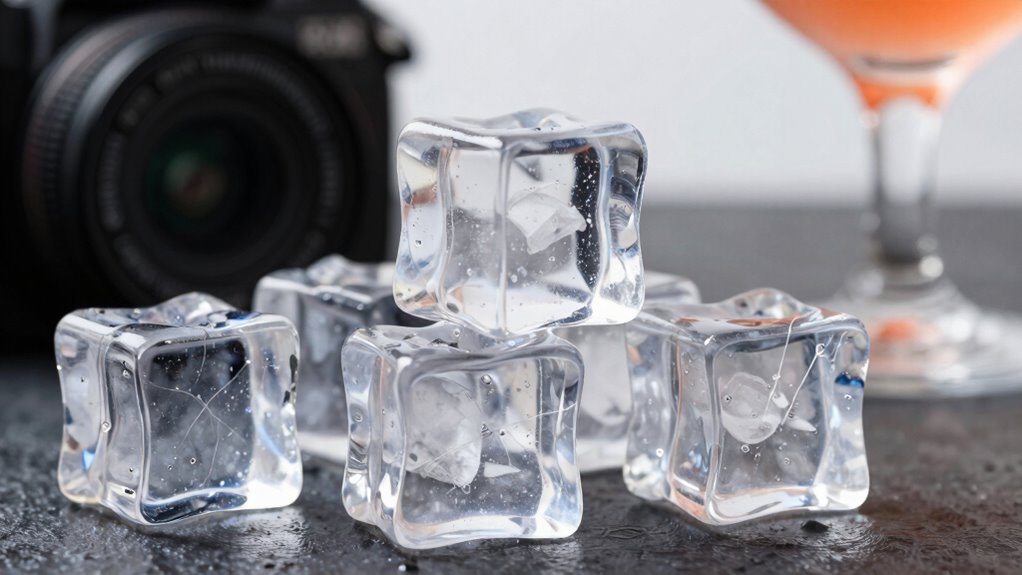
Clear ice enhances the visual appeal of your cocktails because it’s simply more transparent and pristine than cloudy ice. This clarity makes your drinks look more elegant and inviting. With artistic ice carving and ice sculpture techniques, you can transform ordinary cubes into stunning centerpieces, adding a touch of sophistication to any gathering. Clear ice showcases the beauty of your cocktails without distractions, letting the vibrant colors and garnishes stand out. Its transparency also signals quality, showing you’ve taken the time to craft a perfect cube. Whether you’re making simple drinks or elaborate presentations, clear ice elevates the visual experience, making your cocktails not just tasty but visually impressive. It’s a small detail that makes a big difference in presentation. Additionally, understanding the contrast ratio of your ice can help you achieve the ideal level of transparency and brilliance, ensuring your cubes look as pristine as possible. Paying attention to free floating ice techniques can also improve clarity by reducing trapped air and impurities during freezing. Incorporating slow freezing methods can further enhance clarity by allowing impurities to settle and escape before the ice fully solidifies. Moreover, controlling the freezing environment, such as using insulated containers, can significantly improve the clarity of your ice by minimizing temperature fluctuations. An awareness of the regional climate can also influence your freezing techniques, as humidity and ambient temperatures affect how clear your ice will turn out.
Clear Ice Cube Tray for Whiskey: FDDBI 2Inch Clear Ice Cube Maker – Silicone Large Ice Cube Tray – Square Ice Tray for Bourbon Old Fashioned Whisky
CRYSTAL CLEAR ICE CUBE TRAY: Clear ice cube maker uses innovative directional freezing technology. The foam insulation box…
As an affiliate, we earn on qualifying purchases.
As an affiliate, we earn on qualifying purchases.
What Causes Cloudy vs. Clear Ice?

Cloudy ice usually results from impurities and air bubbles trapped during freezing, which scatter light and obscure clarity. When freezing at higher temperatures or unevenly, these impurities are more likely to remain, making the ice cloudy. To get clear ice, controlling impurities and freezing slowly at colder temperatures is key. Additionally, using a slow cooling process similar to engine performance tuning can significantly improve the clarity of your ice. Ensuring a controlled freezing environment can also help minimize the formation of air bubbles and impurities, leading to clearer cubes. Employing techniques like proper filtration before freezing can further enhance ice clarity by removing dissolved impurities, as understanding freezing dynamics helps optimize the process for crystal-clear results. Incorporating temperature regulation during freezing can also prevent rapid freezing that traps air and impurities, resulting in clearer ice.
Impurities and Air Bubbles
Impurities and air bubbles are the main culprits behind why ice becomes cloudy rather than clear. When impurities like minerals or dissolved solids are present, they scatter light, making the ice look cloudy. Air bubbles trapped during freezing also cause cloudiness. To achieve clear ice, focus on impurities removal and air bubble prevention. Use purified or boiled water to reduce impurities, and pour slowly to minimize trapped air. Additionally, preheating your mold or using directional freezing helps push air and impurities away from the center, creating a crystal-clear cube. Incorporating traditional techniques such as directional freezing, which is inspired by Indonesian craftsmanship methods, can further enhance clarity.
Freezing Temperature Effects
The temperature at which water freezes plays a pivotal role in determining whether your ice turns out clear or cloudy. When you freeze water slowly at a consistent temperature, it encourages the formation of large, uniform ice crystals, resulting in clear ice. Rapid freezing or temperature fluctuations, however, cause irregular ice crystal formation, trapping air and impurities that lead to cloudiness. Sudden drops in temperature create many small ice crystals, which are more likely to trap bubbles and impurities. To achieve clear ice, you want a slow, steady freeze, minimizing temperature fluctuations and promoting larger crystal growth. This controlled freezing process allows larger, fewer crystals to form, pushing impurities and trapped air out of the final cube, giving you pristine, clear ice perfect for cocktails. Implementing insulating techniques can further help maintain a consistent environment and improve clarity. For more detailed guidance, consider consulting store return policies and hours to find the best supplies for your ice-making experiments. Additionally, using insulated containers can help maintain a consistent freezing environment and improve clarity.

True Cubes Crystal Clear Ice Cube Maker, 4 Large 2"x2"x2" Ice Cubes for Cocktails and Drinks, Silicone Mold for Pure, Bartender-Quality Ice – Great for Hosting and Entertaining, Whiskey Gifts for Men
Winner of Best Clear Ice Mold as named by America’s Test Kitchen – The True Cubes clear ice…
As an affiliate, we earn on qualifying purchases.
As an affiliate, we earn on qualifying purchases.
How Slow Freezing Creates Crystal-Clear Ice
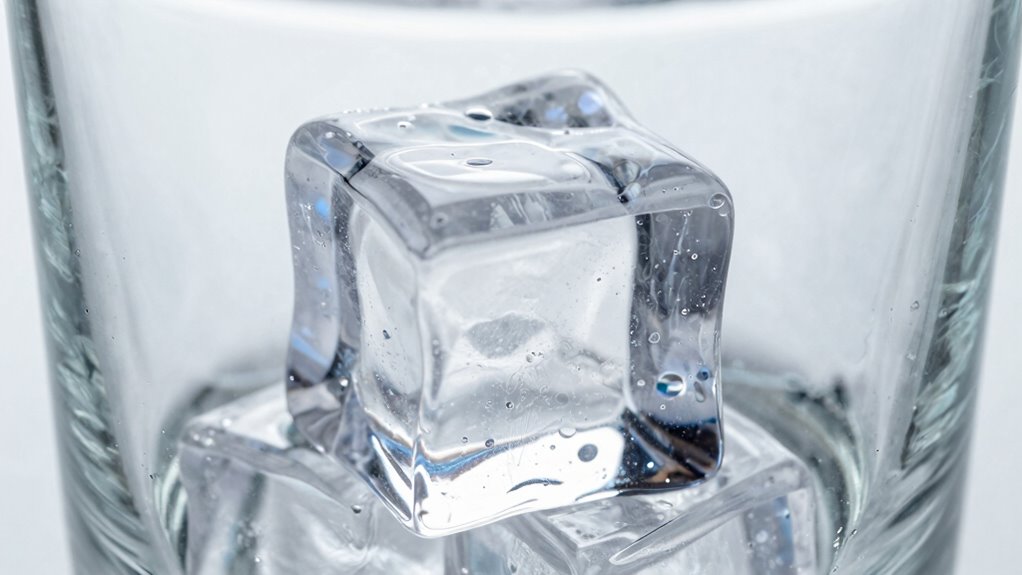
When you freeze water slowly, impurities and trapped air have time to escape, resulting in crystal-clear ice. Slow freezing minimizes the formation of bubbles and cloudiness by allowing gases to rise and impurities to settle. Proper temperature control is essential—you want the water to freeze gradually, around 0°C or just below, so the ice forms from top to bottom. This process ensures the purest, clearest cubes possible. To visualize, here’s a simple comparison:
| Method | Result |
|---|---|
| Quick freezing | Cloudy, trapped air |
| Slow freezing | Clear, bubble-free |
| No temperature control | Inconsistent results |
Using slow freezing with precise temperature regulation is your best way to achieve that pristine, cocktail-quality ice. Temperature control is key to ensuring consistent, high-quality results. Additionally, maintaining a stable environment prevents temperature fluctuations that can disrupt the slow freezing process.
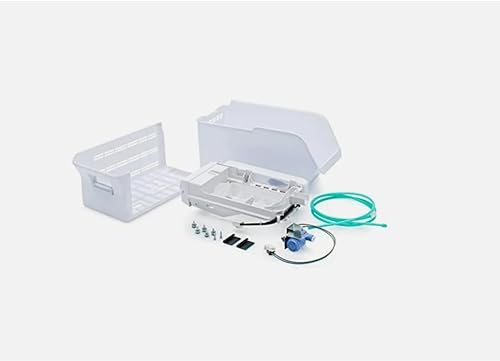
IM117000 Top Mount Refrigerator ice Making Kit
IM117000 Top Mount Refrigerator ice making Kit
As an affiliate, we earn on qualifying purchases.
As an affiliate, we earn on qualifying purchases.
Step-by-Step: How to Make Clear Ice at Home
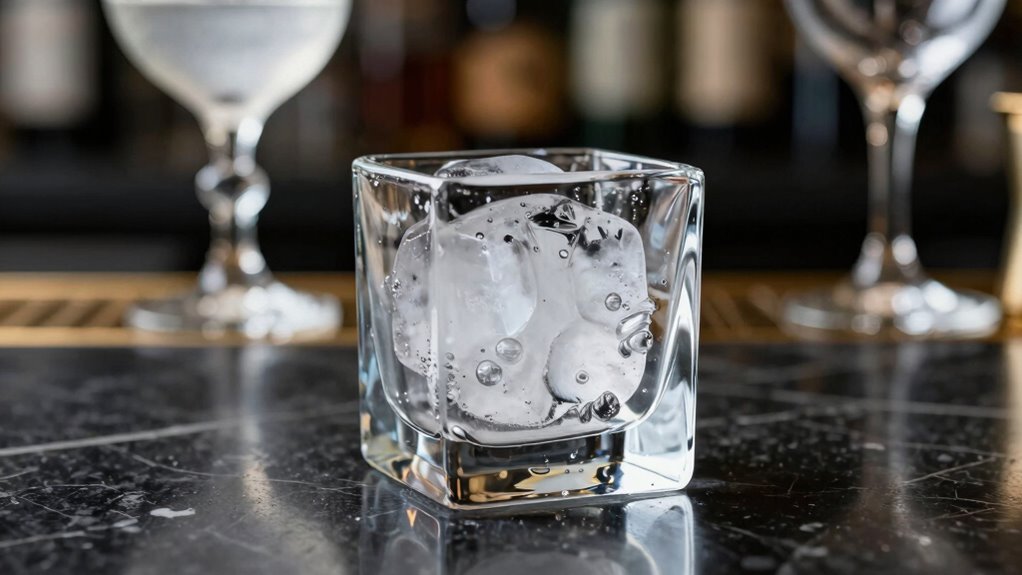
Making clear ice at home starts with setting up the right environment for slow freezing. This guarantees optimal ice formation by minimizing air bubbles and impurities. Begin by filling a cooler or an insulated container with water—preferably filtered or distilled—to reduce minerals. Use freezing techniques that promote slow, even freezing; place the container in your freezer without its lid. This allows the top layer to freeze first, trapping impurities and air below. After about 24-48 hours, check if the ice is solid enough, then remove it from the cooler. Trim any cloudy sections, leaving the clear, dense ice behind. Incorporating proper insulation during freezing can further improve clarity by preventing rapid temperature changes. Additionally, understanding comogenic ratings of additives can help ensure your ice remains pure and free from cloudiness. Ensuring your freezer is set to a consistent temperature can also help produce crystal-clear ice, as fluctuations may lead to cloudiness. Following these steps, your ice formation will be crystal-clear, perfect for crafting cocktail-quality cubes.
Tips to Perfect Your Clear Ice and Avoid Mistakes
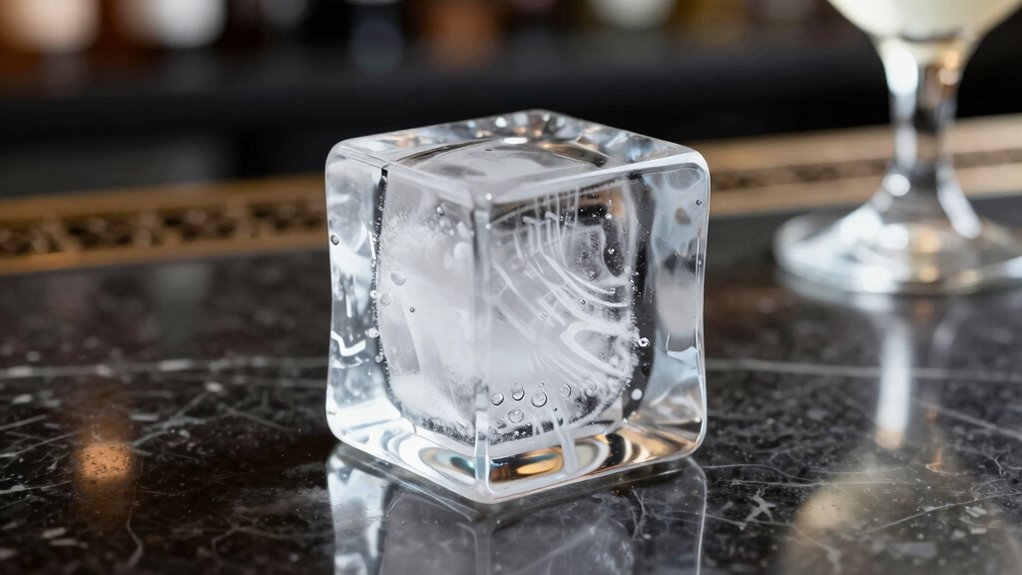
To achieve perfectly clear ice, paying close attention to common mistakes can make a significant difference. One key mistake is exposing your ice to UV light, which can cause cloudiness by encouraging impurities to develop. Store your ice in a sealed, opaque container to block UV exposure. Another tip is managing surface tension; rapid freezing can lead to trapped air bubbles that create cloudiness. To minimize this, freeze slowly and steadily, allowing impurities to settle and escape. Also, avoid overhandling the ice, as touching its surface can introduce contaminants. Keep your freezer temperature consistent, around 0°F (-18°C), to prevent uneven freezing. Additionally, understanding the physics of freezing can help you optimize your process for clearer cubes. Knowing how thermal transfer affects freezing speed and impurity separation can further improve clarity. Being mindful of impurity elimination techniques during freezing can also enhance the transparency of your ice. Properly controlling freezing rate is essential for achieving crystal-clear cubes, as it directly impacts impurity entrapment and ice quality. For best results, consider using filtered water to reduce mineral content and other impurities that contribute to cloudiness. These small adjustments help ensure your ice remains crystal-clear and free of imperfections, elevating your cocktail presentation.
Using Clear Ice to Impress in Your Cocktails
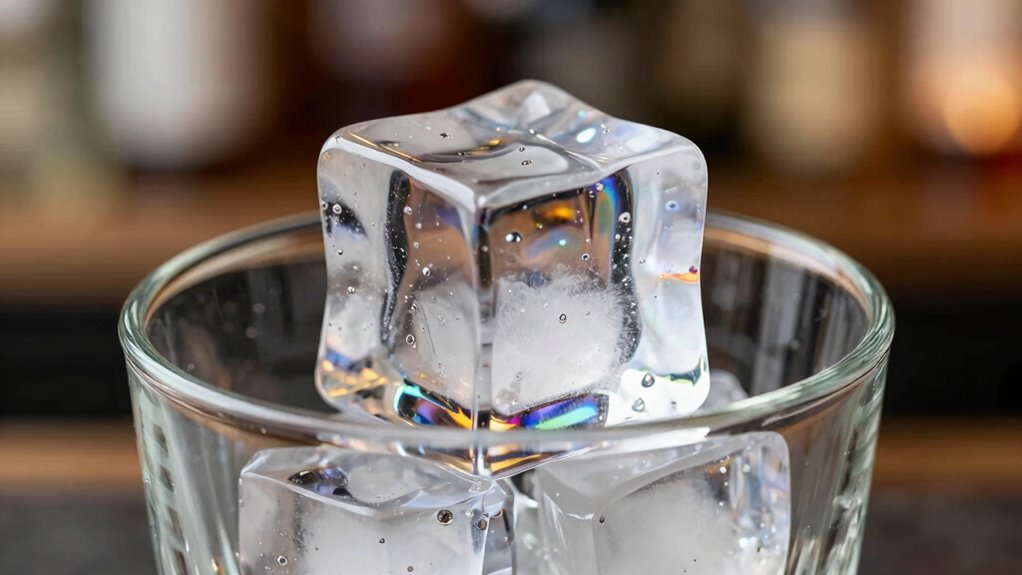
Using clear ice in your cocktails instantly boosts their visual appeal and makes them stand out. The purity and clarity of the ice highlight the drink’s colors and ingredients, creating a more sophisticated look. When you serve drinks with pristine, transparent ice, you impress guests and elevate your home bartending skills. Additionally, understanding the properties of water and how they affect freezing can help you produce clearer ice at home. Being aware of freezing behaviors can further optimize your process for crystal-clear results. For example, controlling the freezing process can prevent trapped air and impurities, resulting in more transparent ice.
Visual Impact Enhancement
Clear ice instantly elevates the visual appeal of your cocktails, turning a simple drink into a stunning centerpiece. Its transparency adds a sleek, decorative presentation that draws attention. To maximize visual impact, consider these tips:
- Use large, clear cubes to create a bold, sophisticated look.
- Opt for uniquely shaped molds to add a creative touch.
- Pair clear ice with vibrant garnishes for contrast.
- Serve drinks in glassware that complements the clarity of the ice.
- Understanding the impact of creative storytelling can help you craft memorable presentation experiences that impress guests.
Purity and Clarity
Ever wondered how to make your cocktails look more impressive? Achieving high purity levels in your ice is the key. Clear ice not only looks stunning but also enhances the overall drinking experience. To improve clarity, you can use techniques like boiling water before freezing, which reduces impurities and trapped air. This clarity enhancement makes your ice cubes nearly transparent, creating a sleek, professional appearance. The purer the water, the fewer cloudiness and distortions you’ll see, elevating your cocktail presentation. By focusing on purity and clarity, your drinks will look as refined as they taste. Clear ice becomes a visual statement, impressing guests and adding a touch of sophistication to every pour.
Troubleshooting Common Issues With Clear Ice
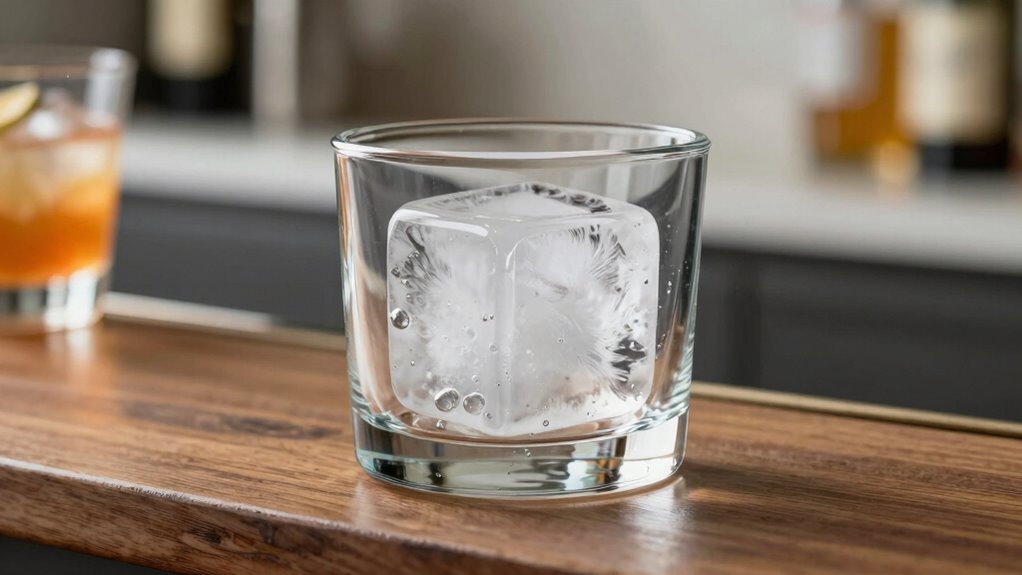
Are you struggling with cloudy or brittle ice despite following the right steps? Water impurities and freezing techniques could be the culprits. To fix these issues, try the following:
- Use filtered or distilled water to reduce impurities that cause cloudiness.
- Ensure slow freezing by lowering your freezer’s temperature or using a specialized freezer environment.
- Seal your containers tightly to prevent air bubbles from forming during freezing.
- Avoid rapid freezing methods, like quick chillers, which can lead to uneven freezing and brittle ice.
Frequently Asked Questions
Can I Make Clear Ice Without Special Equipment?
Yes, you can make clear ice without special equipment using DIY methods and household tools. Start by boiling water to remove impurities and then let it cool slightly. Pour it into a container, like a small cooler or mold, and freeze it slowly to minimize air bubbles. Using a household freezer, this approach helps you create clearer, more professional-looking ice cubes perfect for cocktails.
How Long Does It Take to Make Clear Ice at Home?
Making clear ice at home takes about 24 to 48 hours, depending on your freezer and method. Did you know that slow freezing helps reduce trapped minerals and air, creating crystal-clear cubes? By controlling freezing speed and using purified water, you can achieve perfect clarity within this timeframe. Remember, patience is key—rushing the process can trap minerals, making your ice cloudy instead of clear.
Is Clear Ice More Durable Than Regular Ice?
Yes, clear ice is generally more durable than regular ice. Its higher ice density results from fewer air bubbles, making it more resistant to cracking. Additionally, its lower thermal conductivity slows melting, so it lasts longer in your drink. You’ll notice that clear ice keeps your cocktails colder without diluting as quickly. So, when you use clear ice, you get a longer-lasting, high-quality chill that enhances your drinking experience.
Can I Reuse Clear Ice Cubes for Multiple Drinks?
Yes, you can reuse clear ice cubes for multiple drinks, but you should prioritize ice preservation and reuse safety. As long as the cubes stay clean and free from contaminants, they remain safe to use. Keep them in an airtight container to prevent melting and absorption of odors. Just remember, the longer you reuse them, the more their clarity and quality diminish—so, watch for signs of melting or cloudiness before tossing them back in your glass.
Does the Type of Water Affect the Clarity of the Ice?
Yes, the type of water considerably affects the clarity of your ice. Using pure water with low mineral content results in clearer ice, as it contains fewer impurities and air bubbles. Distilled or filtered water works best because their high purity levels reduce cloudiness. Avoid tap water with high mineral content, which can cause cloudiness and affect the aesthetic and texture of your cocktail cubes.
Conclusion
Think of clear ice as the jewel of your cocktail crown—shining brighter and elevating every sip. When you master the slow freezing trick, you’re sculpting ice that’s as pristine as glass, making your drinks not just tasty but visually stunning. With a little patience and attention, you’ll turn ordinary into extraordinary, like turning water into a crystal-clear masterpiece that transforms your home bar into a sophisticated oasis. Cheers to impressing every time!