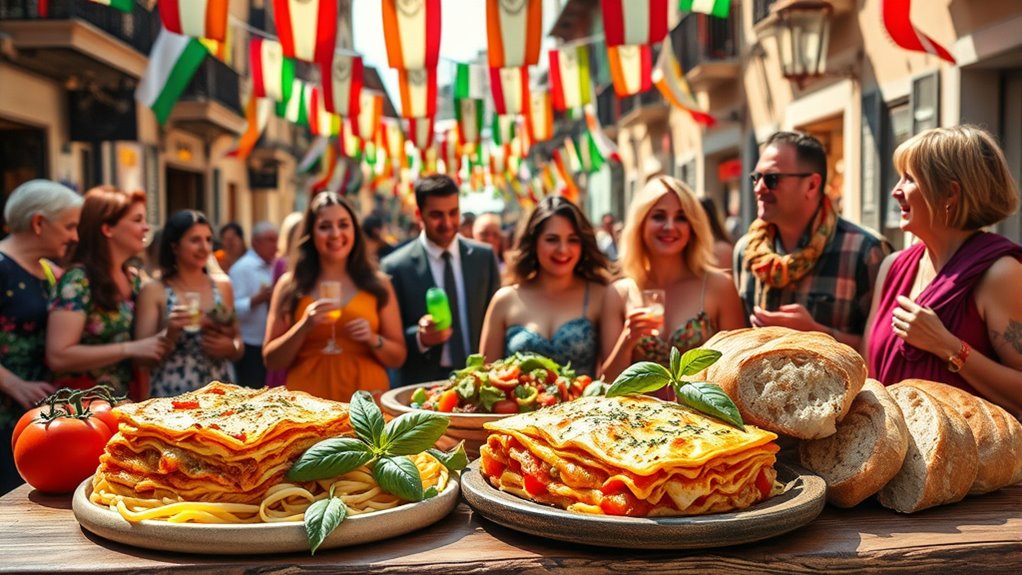

In Italian festivals, food acts as a vibrant symbol of cultural identity and shared heritage. You’ll notice how traditional recipes, shaped by seasonal ingredients, reflect customs and spiritual beliefs. The presentation of dishes, with shapes and colors, also carries symbolic meaning, emphasizing prosperity and good fortune. These culinary traditions foster community bonds and celebrate history. If you keep exploring, you’ll uncover deeper stories behind each dish and its significance.
Key Takeaways
- Traditional Italian festival foods embody cultural symbols that reflect history, beliefs, and communal identity passed through generations.
- Seasonal ingredients used during festivals reinforce land connection and symbolize renewal, prosperity, or good fortune.
- Food presentation emphasizes aesthetic and symbolic elements, such as shapes and colors representing health, wealth, or spirituality.
- Recipes and ingredients carry stories and symbols that honor regional heritage and collective memory.
- Culinary practices promote harmony with nature, highlighting sustainability and environmental respect within cultural expressions.

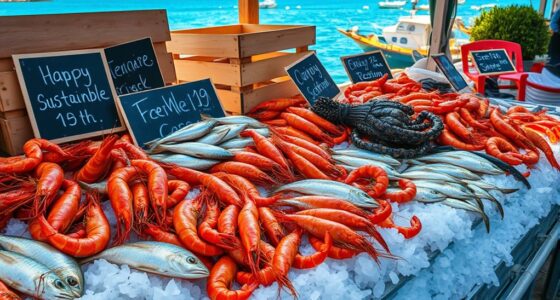
Italian festivals are rich in culinary traditions that symbolize more than just local flavors; they reflect centuries of cultural beliefs and communal identity. When you participate in these celebrations, you’ll notice how food plays a central role, serving as a living expression of history and shared values. These festivals often revolve around seasonal ingredients, which are carefully chosen to align with the time of year and the agricultural cycle. Using fresh, local produce not only guarantees the authenticity of traditional recipes but also reinforces a connection to the land and its rhythms. This reliance on seasonal ingredients underscores a respect for nature’s cycles, which is a recurring theme in Italian culinary culture.
As you observe the preparation and presentation of festive dishes, you’ll see how traditional recipes are passed down through generations, often with little alteration. These recipes carry stories and symbolism, making each dish a link to ancestors and regional heritage. For example, during harvest festivals, hearty soups and stews made from seasonal vegetables and grains take center stage, representing abundance and gratitude for the land’s bounty. Likewise, during spring festivals, you might indulge in sweet treats flavored with fresh fruits like strawberries or cherries, symbolizing renewal and fertility.
The significance of these culinary traditions extends beyond mere sustenance. They embody collective memory and communal identity, binding people together through shared tastes and rituals. When you partake in these foods, you’re participating in a tradition that has sustained communities for centuries. Each ingredient and recipe carries meaning—such as the use of particular herbs or spices that are believed to bring good fortune or ward off evil. These elements are often integrated into traditional recipes that are carefully preserved and celebrated during festivals.
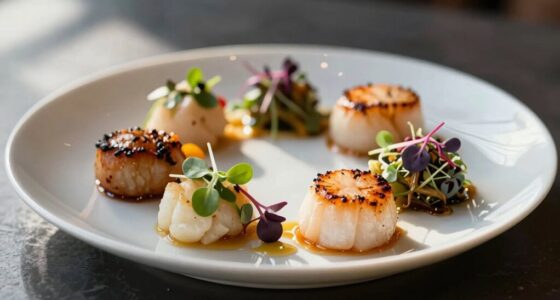
Moreover, the presentation of food during Italian festivals emphasizes aesthetics and symbolism, reinforcing cultural values. For example, certain shapes or colors in foods are associated with prosperity, health, or religious beliefs. By engaging with these culinary symbols, you gain a deeper appreciation of how food functions as a form of cultural expression, embodying local identity and spiritual beliefs. In principle, Italian festivals use their culinary traditions to tell stories, honor history, and foster a sense of belonging, making every bite a meaningful experience rooted in centuries of cultural symbolism. Additionally, the use of seasonal ingredients highlights the importance of sustainability and environmental harmony in traditional Italian cuisine.

Philips 7000 Series Pasta Maker, ProExtrude Technology 150W, 8 discs, Perfect Mixing Technology, Prepare up to 8 Portions, HomeID App, White, (HR2660/03)
PASTA UNDER 10 MINUTES: Enjoy fresh homemade pasta effortlessly in under 10 minutes¹.
As an affiliate, we earn on qualifying purchases.
Frequently Asked Questions
How Do Specific Foods Symbolize Regional Identities in Italy?
You see how specific foods symbolize regional identities in Italy by highlighting regional ingredients and traditional recipes. For example, you might enjoy Sicily’s cannoli, made with local ricotta, or Lombardy’s risotto, showcasing unique rice varieties. These foods reflect local agriculture, history, and culture, creating a sense of pride and belonging. By savoring these dishes, you connect deeply with the region’s heritage and its distinct culinary traditions.
Are There Modern Festivals That Challenge Traditional Culinary Symbolism?
Think of Italian festivals as evolving tapestries, weaving tradition with modern threads. Today, you’ll see festivals embracing fusion cuisine and food activism, challenging old symbols. These events act like a culinary revolution, blending diverse flavors and ideas, encouraging you to rethink regional identities. You’re invited to participate in these dynamic festivals, where tradition meets innovation, making food a powerful tool for cultural dialogue and change.
How Do Italian Festivals Incorporate Contemporary Culinary Trends?
You’ll notice Italian festivals now embrace contemporary culinary trends by incorporating fusion cuisine and sustainable ingredients. You might see traditional dishes reimagined with global flavors, creating exciting new experiences. Festivals often highlight locally sourced, organic produce, emphasizing sustainability. This blend of tradition and innovation invites you to enjoy modern interpretations while respecting Italy’s rich culinary heritage, making the celebrations more vibrant and environmentally conscious.
What Role Do Local Artisans Play in Festival Food Symbolism?
You see local artisans play a crucial role in festival food symbolism by showcasing their artisan craftsmanship. Their handcrafted products often become symbols of regional identity, enriching culinary storytelling and connecting tradition with community pride. By incorporating authentic, locally made items, they help preserve cultural heritage, making festival foods more meaningful and vibrant. Their contributions highlight the importance of tradition and skill in celebrating Italian cultural and culinary history.
How Does Culinary Symbolism Influence Italian Diaspora Festivals Worldwide?
Imagine vibrant tables bursting with colors and aromas, where your community celebrates Italian roots through fusion cuisine and global adaptations. You see how culinary symbolism shapes these festivals, blending traditional flavors with new influences. This creates a rich tapestry of cultural identity, allowing your Italian diaspora to honor heritage while embracing diversity. Food becomes a powerful language, connecting generations and continents in a shared celebration of history and innovation.

Philips Kitchen Appliances Compact Pasta and Noodle Maker, Viva Collection, Comes with 3 Default Classic Pasta Shaping Discs, Fully Automatic, Recipe Book, Small, White (HR2370/05)
Automatically kneads and extrudes 2-3 servings of fresh pasta in just 18 minutes thanks to uniquely designed stirring...
As an affiliate, we earn on qualifying purchases.
Conclusion
You might be surprised to learn that over 80% of Italian festivals feature traditional foods, highlighting their deep cultural significance. As you experience these celebrations, remember that each dish tells a story, connecting communities through shared history and identity. Food isn’t just nourishment here—it’s a powerful symbol of Italy’s rich heritage. So, next time you’re part of a festival, appreciate how culinary traditions beautifully embody the heart of Italian culture.

VEVOR Electric Pasta Maker, 150W Automatic Noodle Maker Machine with 8 Pasta Shapes, 4 Intelligent Modes, 500g Flour Capacity Pasta Maker Machine with Measuring Cups, Cleaning Brush for Home Kitchen
User-Friendly Operation: Designed for ease of use, this pasta maker machine comes with recipes and simple ratios to...
As an affiliate, we earn on qualifying purchases.

VEVOR Electric Pasta Maker, 150W Automatic Noodle Maker Machine with 8 Pasta Shapes, 4 Intelligent Modes, 500g Flour Capacity Pasta Maker Machine with Measuring Cups, Cleaning Brush for Home Kitchen
User-Friendly Operation: Designed for ease of use, this pasta maker machine comes with recipes and simple ratios to...
As an affiliate, we earn on qualifying purchases.