
TL;DR

Get home appliances delivered free with Prime
- Fast, free delivery on millions of items
- Prime Video, Amazon Music and more included
- Member-only deals all year
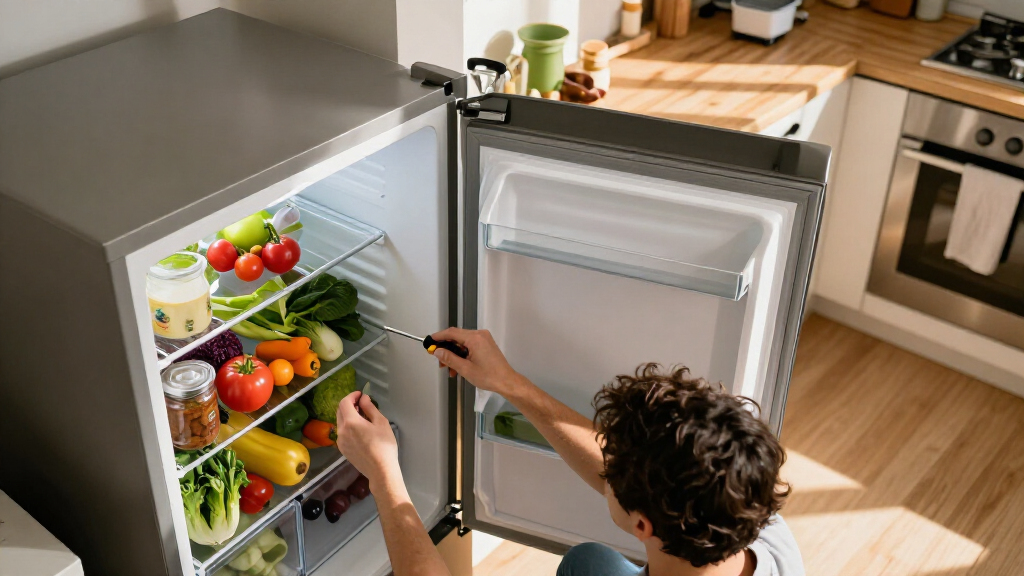
Family Handyman published a practical guide to common refrigerator questions, including why dispenser water may not be cold, how to clean an ice maker and what temperature to set a freezer. The article also describes maintenance checks for a refrigerator that runs but does not cool, while model-specific repair details remain dependent on the appliance manual.
Family Handyman has published a refrigerator Q&A guide covering common household concerns, including warm dispenser water, ice-maker cleaning, freezer settings and cooling problems. The advice offers basic maintenance steps, but directs readers to their appliance’s owner’s manual where controls and procedures vary by model.
The guide says water from a refrigerator dispenser may not feel very cold because, in many modern models, it travels through tubing rather than sitting in a chilled reservoir. It suggests discarding the first few ounces, waiting at least 15 minutes between large fill-ups, and keeping the refrigerator stocked without overcrowding it. The report describes a typical refrigerator temperature range of 34 to 38 degrees for newer models, but does not present that range as a universal setting for every appliance.
For ice with an unpleasant smell or taste, Family Handyman recommends turning off the ice maker, removing and discarding the ice, then washing the bin and wiping accessible surfaces with warm, soapy water. A half-and-half vinegar-and-water solution is offered as an alternative for the bin. The guide advises drying components thoroughly, replacing the water filter if the model uses one, and discarding the first couple of batches of newly made ice to flush water left in the lines. It says cleaning may be needed once or twice a year, depending on use.
The report identifies zero degrees as the recommended freezer temperature, attributing that guidance to the U.S. Food and Drug Administration and the U.S. Department of Agriculture. For a refrigerator that runs without cooling, it names dusty condenser coils, a blocked or nonworking condenser fan, and a faulty or misaligned door switch as possible causes. These are troubleshooting possibilities, not a diagnosis of any individual appliance.
Keeping Food Cold and Appliances Running
Temperature and maintenance affect both food storage and household energy use. The guide’s zero-degree freezer setting gives readers a specific point to check, while cleaning dusty coils can help a refrigerator release heat instead of working harder. A refrigerator that is not cooling properly may allow food to warm, so the listed checks can help identify a basic maintenance issue before it worsens.
The advice is most useful for simple upkeep, such as washing an ice bin or removing dust from accessible coils. It does not establish that every cooling problem can be fixed at home. Persistent temperature problems, electrical faults, or components that require disassembly may need a qualified appliance technician.
refrigerator water filter replacement
As an affiliate, we earn on qualifying purchases.
As an affiliate, we earn on qualifying purchases.
Common Refrigerator Questions Addressed
The article is structured as answers to frequent owner questions rather than a report on a new appliance, regulation or product recall. Its subjects range from water and ice quality to cooling performance and stainless-steel cleaning. For stainless steel, the guide recommends warm water, a small amount of dish soap and a microfiber cloth, wiping with the metal’s grain, then drying the surface to reduce spots and residue.
Its coil-cleaning instructions begin with unplugging the refrigerator and locating the coils, often behind a front kickplate or at the back. It suggests using a vacuum and, where needed, a soft brush to remove dust. The supplied source excerpt begins an answer about an ice maker that has stopped producing ice but cuts off before giving the full troubleshooting steps, so those details are not included here.
“The ideal freezer temperature is zero degrees.”
— Family Handyman, citing FDA and USDA guidance
Model Differences and Repair Limits
The source does not provide a publication date, testing details, or appliance models for the advice. Refrigerator layouts and controls vary, so the report recommends checking the owner’s manual for ice-maker shutoff instructions and filter replacement. It also does not include the complete answer to its ice-maker-not-making-ice question in the supplied excerpt. The cause of any particular cooling fault cannot be confirmed without inspecting that refrigerator.
Check Settings Before Troubleshooting
Readers can start by checking refrigerator and freezer temperatures, the condition of the water filter, and whether dust has accumulated around accessible condenser coils. Before cleaning coils, the guide says to unplug the appliance, then restore power after reattaching any panels. If the refrigerator still fails to cool, or a fan, switch or other component appears faulty, consult the manual and contact an appliance technician rather than treating the guide’s possible causes as a confirmed diagnosis.
Key Questions
What temperature should a freezer be set to?
Family Handyman says the recommended freezer temperature is zero degrees, citing the FDA and USDA. Check the appliance manual for model-specific instructions on setting or measuring temperature.
Why is refrigerator-dispenser water not very cold?
In many modern refrigerators, water travels through tubing instead of remaining in a chilled reservoir. The guide suggests discarding the first few ounces and waiting at least 15 minutes between larger fill-ups so water in the tubing has time to cool.
How often should an ice maker be cleaned?
The report suggests cleaning it once or twice a year, depending on use, and sooner if the ice develops an unpleasant taste or smell. Follow the owner’s manual for the correct shutoff procedure.
What can make a refrigerator run without cooling?
Possible causes listed include dusty condenser coils, a blocked or faulty condenser fan, or a door switch that leaves the interior light on. These are troubleshooting possibilities; persistent cooling problems may require a technician’s inspection.
Source: rss
Cold & flu season Picks
humidifiers
As an affiliate, we earn on qualifying purchases.