The key detail that determines if you’ll enjoy using a home grain mill is how easy and consistent it is to operate. A mill with user-friendly features, adjustable settings, and reliable results keeps your baking routine enjoyable and hassle-free. If the mill preserves nutrients, produces flavorful flour, and fits into your schedule, you’ll be more motivated to use it regularly. Want to discover more about choosing the perfect mill for your needs? Keep exploring to find out!
Key Takeaways
- Ease of operation and adjustable settings encourage regular use and consistent flour quality.
- Mill features like temperature control and easy cleaning preserve grain nutrients and simplify maintenance.
- Proper grain storage and cleanliness directly impact flour freshness and safety.
- Advanced milling techniques that minimize heat build-up enhance nutrient retention and flavor.
- Integration into baking routines and user-friendly design increase motivation to use the mill regularly.

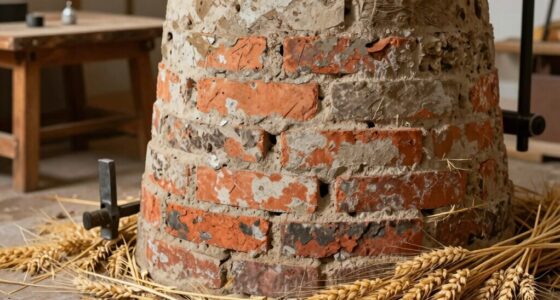
If you’re passionate about baking fresh bread or want to enjoy the health benefits of whole grains, investing in a grain mill for home use can be a game-changer. A good mill allows you to grind your own flour, ensuring maximum freshness and nutrient retention. But whether you’ll actually use one often depends on how well it fits into your routine and the quality of the milling techniques it employs. One of the key considerations is grain preservation. When you mill your own flour, you have control over how long grains are stored before grinding, which directly impacts their freshness. Proper storage in airtight containers in a cool, dark place helps prevent spoilage and preserves vital nutrients. Milling techniques also influence the quality of the flour you produce. Some mills use stone grinding, which tends to generate less heat and better preserve delicate nutrients, while others use impact or burr mechanisms that may produce finer flour but could generate more heat and potentially degrade some nutrients if not designed properly. Understanding grain preservation is essential to maintaining the nutritional value of your flour over time. Additionally, being aware of milling techniques and their effects on nutrient retention can help you select the best mill for your needs. Choosing a mill that aligns with your milling techniques makes a difference in how often you’ll use it and the quality of your baked goods. If the mill is noisy, difficult to operate, or inconsistent in grinding, you might find yourself discouraged from using it regularly. On the other hand, a user-friendly, efficient mill with adjustable settings allows you to experiment with different grain textures and coarseness levels, making home milling more enjoyable and practical. The design of the mill also impacts grain preservation: mills with better temperature control during milling reduce nutrient loss, and those with multiple settings give you more control over the grain’s final texture. If you’re serious about maintaining the integrity of your grains, look for mills that incorporate advanced milling techniques that minimize heat buildup and oxidation. This ensures that your flour retains the maximum amount of vitamins, minerals, and flavor. Furthermore, selecting a mill with easy cleaning features can simplify maintenance and encourage regular use, ensuring your grains stay fresh and uncontaminated. Regular maintenance and proper cleaning also help prevent grain contamination, which can compromise the quality and safety of your flour. An understanding of biodiversity can also guide you toward sourcing grains that are grown sustainably and are less prone to contamination, enhancing the overall quality of your flour. Ultimately, whether you’ll use a home grain mill regularly depends on how well it integrates into your baking routine and how much value you place on freshness and nutrition. If you appreciate the art of milling techniques and prioritize grain preservation, investing in the right mill will likely motivate you to bake more often and enjoy healthier, more flavorful bread. The key is choosing a mill that’s easy to operate, produces consistent results, and aligns with your goals of preserving the quality of your grains. When these elements come together, your home baking experience elevates, making that initial investment well worth it.
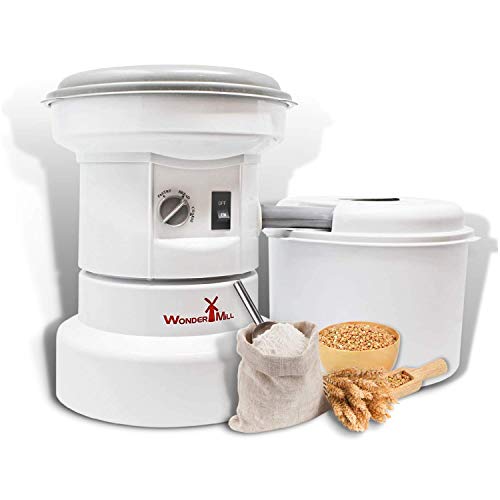
Powerful Electric Grain Mill Wheat Grinder for Home and Professional Use – High Speed Grain Grinder Flour Mill for Healthy Grains and Gluten-Free Flours – Electric Grain Mill by Wondermill,White
FASTER THAN THE COMPETITORS IN ITS PRICE RANGE – This electric grain mill grinder for flour is powered…
As an affiliate, we earn on qualifying purchases.
As an affiliate, we earn on qualifying purchases.
Frequently Asked Questions
How Much Noise Do Grain Mills Typically Produce?
You’ll find that grain mills typically produce moderate noise levels, usually between 70 to 90 decibels. Compared to a vacuum cleaner, the sound comparison shows they’re somewhat quieter but still noticeable. If you’re sensitive to noise, consider models with quieter motors or operate the mill during times when noise won’t disturb others. Overall, expecting a somewhat loud but manageable sound is common when using a grain mill.
Are Grain Mills Suitable for Grinding Gluten-Free Grains?
Yes, grain mills are suitable for grinding gluten-free grains, but check for gluten-free compatibility and grain variety suitability first. Some mills handle gluten-free grains like rice and millet better than others, so choose one with adjustable settings or specialized burrs. This guarantees you get fine, fresh flour without cross-contamination. With the right mill, you can confidently grind a variety of gluten-free grains, making home baking safer and more versatile.
What Is the Lifespan of a Typical Home Grain Mill?
A typical home grain mill usually lasts around 10 to 20 years, depending on its grain mill durability and how often you use it. If you choose a high-quality milling machine, you’ll get better longevity and consistent performance. Proper maintenance and occasional part replacements can extend its milling machine longevity. Keep your mill clean and follow the manufacturer’s instructions to maximize its lifespan and enjoy fresh flour for years.
Can Grain Mills Handle Oily or Wet Grains?
Grain mills generally struggle with oily grains and wet grain milling. Oily grains can clog or gum up the milling components, reducing efficiency and damaging the machine. Wet grains pose similar problems, as moisture can cause rust or mold if not dried properly. If you plan to grind oily or wet grains regularly, look for a mill specifically designed for wet milling or one with stainless steel parts to handle moisture better.
Do Grain Mills Require Regular Maintenance or Cleaning?
While your grain mill runs smoothly, neglecting cleaning routines can cause buildup, affecting performance. Regular maintenance frequency is essential; you’ll want to clean and inspect it after every few uses to prevent clogs and guarantee longevity. Think of it like tuning a guitar—skimping on upkeep dulls the sound. Proper cleaning routines keep your mill sharp, efficient, and ready to produce fresh flour whenever you need it.

ERICAT Hand Crank Natural Stone Grain Millstone, Handmade Household Hand Mill with Wooden Frame, Nutrient Preservation & Effortless Cleaning, User-Friendly Operation & Easy to Use, for Spices
【Natural stone construction & Stable wooden base】: Crafted from premium natural bluestone, ensuring safety and health. Features deep…
As an affiliate, we earn on qualifying purchases.
As an affiliate, we earn on qualifying purchases.
Conclusion
Choosing the right grain mill for your home isn’t just a decision—it’s the secret weapon that could turn you into the flour-making superhero of your kitchen! Imagine having the power to grind your own fresh flour anytime, transforming your baking into legendary creations. Don’t settle for ordinary—pick the mill that makes your culinary dreams come true. With the perfect grain mill, you’re not just baking; you’re revolutionizing your entire kitchen universe!

Corona Manual Grain Mill, Cast Iron Corn Grinder with Hand Crank for Corn, Wheat, Rice, Coffee & Spices, Adjustable Flour Mill for Home Kitchen Use
AUTHENTIC CORONA GRAIN MILL: Heavy-duty cast iron manual grain mill crafted in Colombia. Large 0.8-qt hopper grinds corn,…
As an affiliate, we earn on qualifying purchases.
As an affiliate, we earn on qualifying purchases.
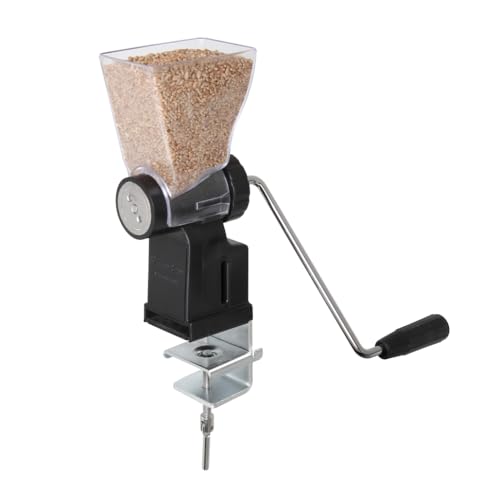
Kitchen Crop Hand Crank Grain Mill Wheat Flour Grinder, Stainless Steel Metal Burrs (The Grain Mill)
MULTI-GRAIN CAPABILITY: Equipped with durable stainless steel grinding burrs, it easily grinds wheat, rice, oats, barley, rye, peppercorns,…
As an affiliate, we earn on qualifying purchases.
As an affiliate, we earn on qualifying purchases.