Home freeze drying preserves your food by removing moisture, locking in nutrients, flavor, and texture for long-term storage. It costs around $2,500 to $5,000 for equipment and needs space, time, and maintenance. If you’re uncomfortable handling complex machinery or have limited space, it’s probably not for you. But if you’re committed to fresh-tasting, nutrient-rich foods and ready to invest, there’s plenty more to uncover on making it work for you.

Get home appliances delivered free — and shop member deals
- Fast, free delivery on millions of items
- Access to Prime Big Deal Days deals on October 6–7
- Prime Video, Amazon Music and more included
Key Takeaways
- Home freeze drying preserves foods’ flavor, nutrients, and appearance, ideal for long-term storage, emergency prep, and reducing food waste.
- Equipment costs range from $2,500 to over $5,000, with additional expenses for maintenance and accessories; it’s a significant investment.
- Best suited for dedicated individuals willing to learn, manage, and maintain the process; beginners or those with limited space may find it impractical.
- Proper setup, food preparation, and storage practices are essential to prevent contamination, spoilage, and ensure high-quality dried foods.
- People with respiratory issues, limited space, or discomfort handling complex machinery should reconsider due to safety and operational challenges.
As an affiliate, we earn on qualifying purchases.
What Is Home Freeze Drying and How Does It Work?
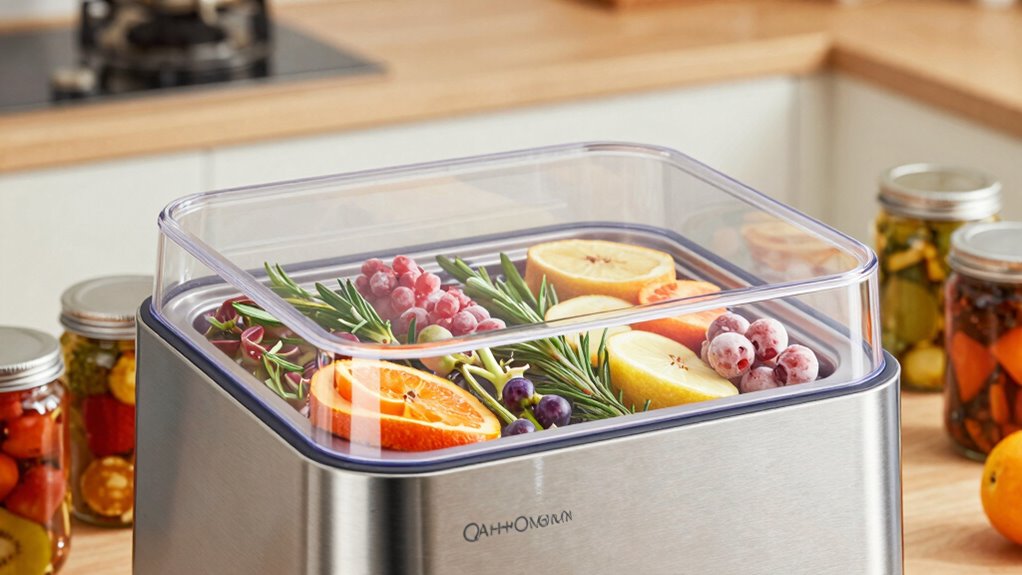
Home freeze drying is a process that allows you to preserve foods by removing their moisture while maintaining their flavor, texture, and nutritional value. This method is a popular preservation technique for extending food shelf life and ensuring easy food storage. During the process, you freeze the food first, then place it in a vacuum chamber where sublimation occurs—that’s when ice turns directly into vapor without melting. This removes almost all moisture, making the food lightweight and long-lasting. You can freeze dry fruits, vegetables, meats, and even herbs at home. The key advantage is that you retain much of the original quality, making your preserved foods ideal for storage and future use. Proper calibration and technology choices, such as selecting the right home freeze dryer, can significantly impact the efficiency and quality of the process. Home freeze drying offers a reliable, efficient way to keep food fresh for months or years.
What Are the Main Uses and Benefits of Freeze-Dried Foods at Home?
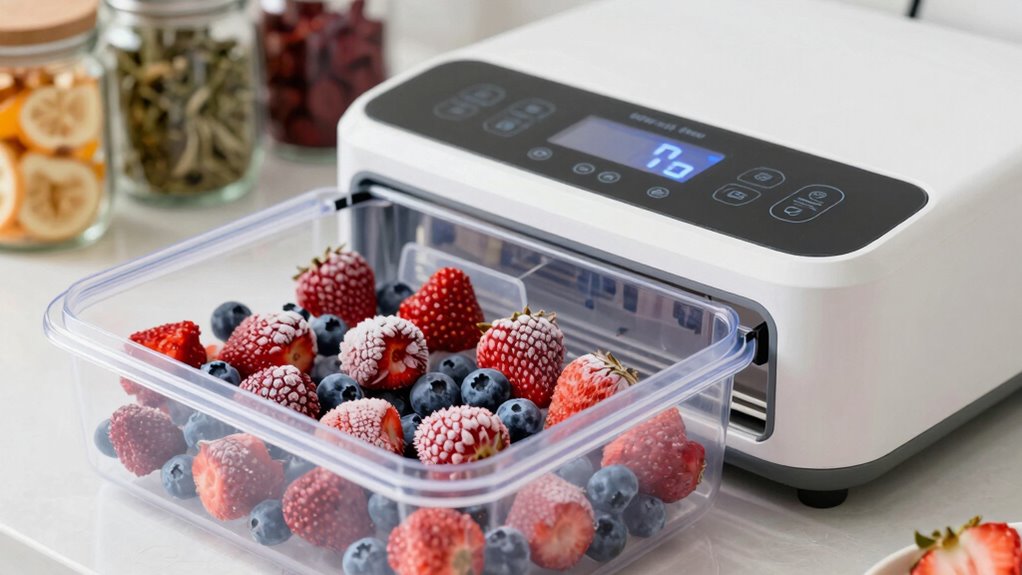
Freeze-dried foods at home have a wide range of practical uses and benefits that make them an excellent addition to your food storage options. They help preserve nutritional value, ensuring you retain essential vitamins and minerals longer than other preservation methods. This makes them ideal for long-term storage, emergency preparedness, or simply reducing food waste. Additionally, freeze-dried foods enhance flavor because the process locks in natural tastes, resulting in vibrant, fresh flavors when rehydrated. They’re lightweight, easy to store, and quick to prepare, saving you time in meal prep. Whether you’re making snacks, hiking meals, or stockpiling supplies, freeze-dried foods offer convenience, nutritional integrity, and flavor enhancement that make them a smart choice for home use. Moreover, the natural preservation processes involved in freeze drying help maintain the food’s original texture and appearance, making meals more appealing. Incorporating specialized equipment for home freeze drying can further improve the quality and efficiency of your food preservation efforts. Understanding reliable preservation methods can help you select the best techniques for your needs, especially considering the ventilation considerations that impact the safety and effectiveness of home freeze drying setups. Using proper ventilation strategies can also prevent moisture buildup and ensure safe operation of your equipment.
How Much Does a Home Freeze Dryer Cost?
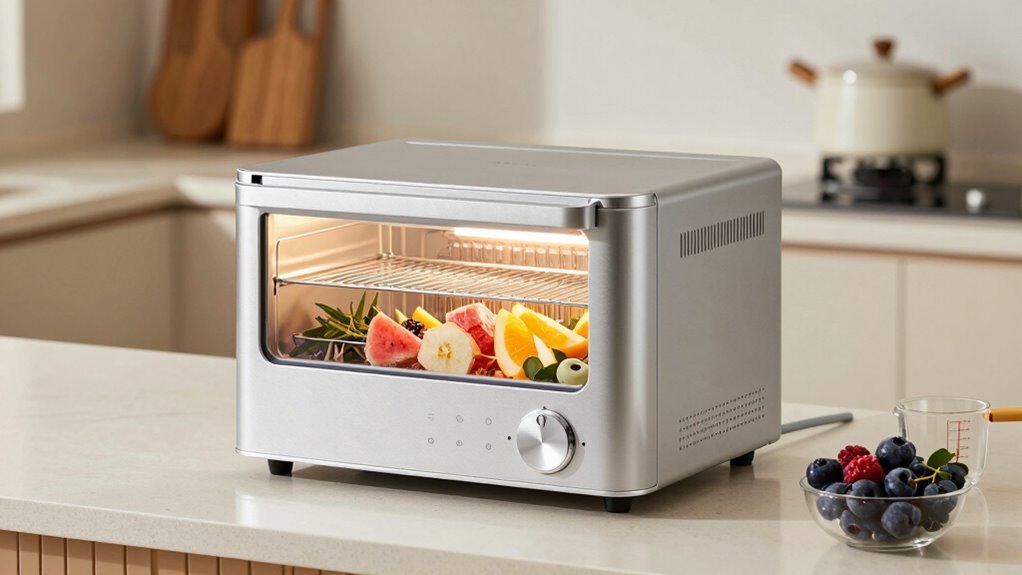
Investing in a home freeze dryer involves a significant upfront cost, but many find the long-term savings and convenience worthwhile. Pricing options vary widely, with small, countertop models starting around $2,500 and larger, more advanced units reaching $5,000 or more. Your budget considerations play a key role in choosing the right machine; if you plan to freeze-dry frequently or in large batches, investing in a higher-end model makes sense. However, for occasional use, more affordable options might suffice. Keep in mind that additional costs could include accessories or maintenance. Overall, the cost depends on the machine’s capacity and features, but understanding your needs and budget will help you select the best fit for your freeze-drying goals. Understanding capacity and features can help inform your decision-making process and ensure you select a machine that aligns with your specific needs. Additionally, considering the efficiency and durability of the panels and components can impact the long-term performance and savings of your investment. Moreover, evaluating the long-term operational costs can help you better assess the true affordability of different models over time. Being aware of industry standards can also guide you toward more reliable and effective options.
Is Home Freeze Drying Worth It for Beginners?
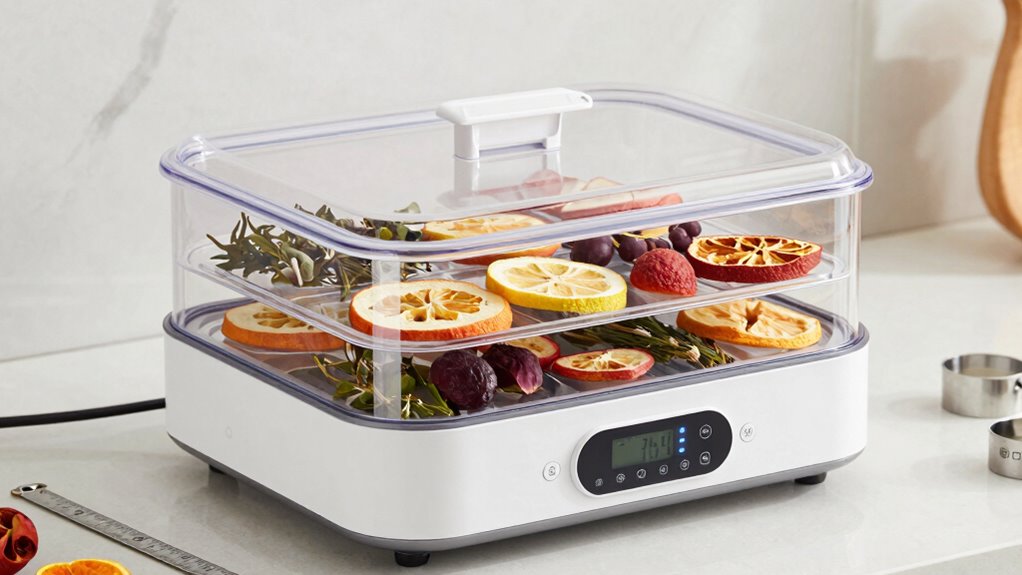
Considering whether home freeze drying is worth it for beginners depends on your budget and willingness to learn. The equipment costs can be significant, and mastering the process may take some time. If you’re patient and enthusiastic to preserve food at home, it could be a worthwhile investment.
Cost and Equipment Needs
Although home freeze drying can be rewarding, it does require a significant initial investment in equipment. Your cost analysis shows that a quality home freeze dryer typically costs between $2,000 and $4,000, depending on capacity and features. Besides the machine, you’ll need supplies like vacuum pumps and storage containers, adding to the equipment investment. Here’s a quick overview:
| Item | Cost Range | Notes |
|---|---|---|
| Freeze Dryer | $2,000 – $4,000 | Main equipment |
| Vacuum Pump | $200 – $600 | Ensures proper drying |
| Storage Containers | $50 – $150 each | Keeps food fresh |
| Additional Supplies | $100 – $300 | Seals, filters, etc. |
While the upfront costs are high, many find the long-term benefits warrant the expense, especially considering food preservation techniques that extend shelf life.
Learning Curve Challenges
While the initial investment in home freeze drying equipment can seem intimidating, many beginners quickly discover that mastering the process presents its own set of challenges. The learning curve for home freeze drying can be steep, especially without prior experience. You might encounter issues like uneven drying or equipment malfunctions, which require effective troubleshooting techniques. Understanding how to monitor the process, adjust settings, and identify common problems is essential. Patience is key, as it takes time to become familiar with the equipment and optimize results. Beginners often find that experimenting and learning from mistakes help build confidence. Overall, while the process can be complex initially, developing troubleshooting techniques can make home freeze drying more manageable and rewarding over time.
Who Should Avoid Home Freeze Drying: and Why?

Home freeze drying isn’t suitable for everyone, especially if you have certain health conditions or safety concerns. If you’re not comfortable handling equipment safety or managing proper storage considerations, it’s best to avoid it. The process involves high-tech machinery that requires careful operation to prevent accidents. Improper storage of dried foods can lead to spoilage or contamination.
| Who Should Avoid | Why? |
|---|---|
| People with respiratory issues | Equipment noise and dust may aggravate health. |
| Individuals with limited space | Storage considerations require adequate room. |
| Those uncomfortable with tech | Complex setup and maintenance can be challenging. |
Common Challenges and How to Avoid Them When Freeze Drying at Home
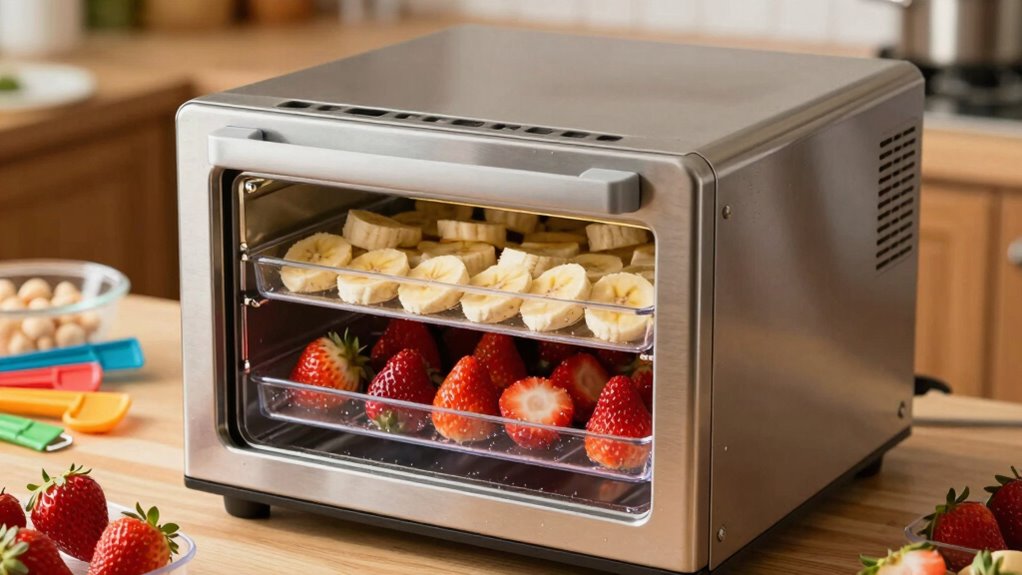
To guarantee successful freeze drying at home, you need to prevent moisture from contaminating your food, as even small amounts can spoil the process. Using your equipment properly and carefully monitoring each stage helps avoid common pitfalls that can lead to failed results. Staying attentive to the drying progress lets you catch issues early and maintain high-quality preservation. Additionally, understanding media literacy can help you interpret informational content about freeze drying techniques and equipment to make informed decisions. Having a good grasp of water quality and how it affects food preservation can further improve your outcomes during the freeze drying process. Being aware of reliable backup power options is also valuable, especially if power outages threaten your freeze drying schedule. Recognizing how indoor air quality influences the storage environment can also help prevent spoilage and maintain food integrity throughout the process. Moreover, maintaining proper humidity levels in your drying area can significantly enhance the efficiency and safety of your freeze drying efforts.
Prevent Moisture Contamination
Moisture contamination is one of the biggest challenges when freeze drying at home, as even small amounts of residual water can spoil your preserved items. To prevent this, verify your equipment and containers are completely dry before use. Keep your items sealed tightly in airtight containers after drying to avoid exposure to humidity, which can reintroduce moisture. Proper storage safety is essential; store your dried goods in cool, dry, and dark places to minimize moisture absorption. Regularly check seals and containers for leaks or damage, as compromised storage can lead to contamination. By controlling moisture exposure throughout the process and storage, you protect your items’ quality and longevity, ensuring your freeze-dried foods stay safe and shelf-stable over time.
Maintain Proper Equipment Use
Using your freeze dryer correctly is vital to achieving ideal results and avoiding common pitfalls. Regular equipment maintenance helps prevent malfunctions and extends the lifespan of your machine. Follow the manufacturer’s instructions for cleaning and servicing, paying special attention to seals and filters. Proper storage tips are essential; keep your freeze dryer in a dry, dust-free environment to avoid damage. Always guarantee the chamber is clean before each use to prevent contamination. Check for any signs of wear or leaks regularly, and replace parts as needed. Maintaining your equipment not only improves efficiency but also reduces the risk of spoilage or damage to your frozen products. Regularly inspecting and cleaning filters according to filter maintenance guidelines can help ensure optimal performance. Consistent care assures your freeze dryer performs at its best and produces high-quality dried foods. Additionally, staying vigilant for equipment malfunctions can help address issues promptly before they impact your drying process. Being aware of vetted vacuum brands can also help ensure you are using reliable equipment that meets safety and performance standards. Incorporating proper troubleshooting techniques allows for quick resolution of common issues, saving time and resources. Moreover, understanding how proper equipment calibration affects drying efficiency can lead to more consistent results.
Monitor Drying Progress
Monitoring the drying process closely helps you catch potential issues early and guarantee your food dries properly. Regularly check your freeze dryer’s progress to avoid over- or under-drying, which can compromise flavor preservation. Using reliable storage solutions, like airtight containers or vacuum-sealed bags, ensures your dried food remains fresh and retains its taste. Keep an eye on temperature and humidity levels during the process, as fluctuations can lead to uneven drying or spoilage. Proper supervision also helps you identify any equipment malfunctions or delays, reducing waste. Staying attentive allows you to adjust drying times when needed, ensuring your food maintains its intended texture, flavor, and nutritional value. Monitoring techniques help you optimize the drying process and prevent common issues. Additionally, understanding the specific requirements of different foods can aid in achieving the best results. Implementing Proper supervision techniques can significantly improve your overall freeze-drying success. Maintaining consistent oversight is essential for quality control, leading to better results. Consistent oversight ultimately results in better quality, longer shelf life, and a more satisfying freeze-drying experience. Reliable, well-researched information helps you make informed decisions and troubleshoot effectively during the process.
How to Decide if Home Freeze Drying Is Right for You?
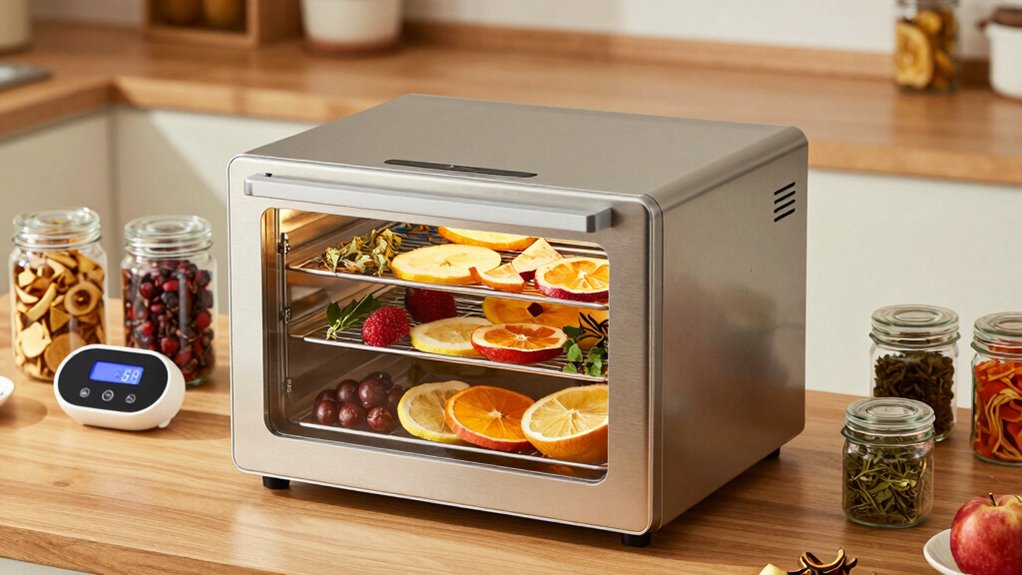
Deciding if home freeze drying is right for you depends on your goals, storage needs, and willingness to invest time and money. If you prioritize nutritional preservation and flavor retention, freeze drying can be a valuable process. It maintains most nutrients and keeps foods tasting fresh longer than other preservation methods. However, it requires a significant upfront investment in equipment and energy, plus ongoing effort to monitor and operate the machine. Consider whether you have enough space, time, and interest in managing this process regularly. If you only want to preserve small quantities or prefer simpler methods, freeze drying might not be ideal. Ultimately, assess whether your long-term storage needs and commitment align with the benefits of home freeze drying.
Frequently Asked Questions
What Types of Foods Are Best Suited for Home Freeze Drying?
You should focus on freeze drying fruits like berries, apples, and bananas, as they preserve well and retain flavor. Vegetables such as peas, carrots, and spinach also work great for fruit preservation and meal prep. Lean towards foods with high water content that dehydrate efficiently. Avoid foods with high fat or moisture, which can spoil or not freeze dry properly. This method helps you store nutritious snacks and ingredients long-term.
How Long Does the Freeze Drying Process Typically Take at Home?
On average, your home freeze-drying process takes about 20 to 48 hours per batch. Curiously, most people find that processing duration depends on the food’s moisture content and size. Smaller batches process faster, often taking 20-24 hours, while larger or wetter foods may need up to 48 hours. Overall, planning for a 1-2 day window ensures your foods are thoroughly freeze-dried and ready for storage.
Are There Safety Concerns With Home Freeze Drying Equipment?
Yes, there are safety concerns with home freeze drying equipment. You need to be cautious about device malfunctions, which could cause leaks or overheating. Additionally, improper handling of chemicals or cleaning agents might pose chemical hazards. Always follow the manufacturer’s instructions carefully, keep the device in a well-ventilated area, and regularly inspect it for any issues to guarantee safe operation and avoid potential dangers.
Can Freeze-Dried Foods Be Rehydrated Effectively?
Imagine you’re a time traveler with a TARDIS—freeze-dried foods rehydrate quite effectively. You’ll find that rehydration effectiveness depends on proper techniques, but most foods retain their flavor surprisingly well. To get the best results, use warm water and give it time to rehydrate thoroughly. With patience, your freeze-dried meals will taste almost as fresh as when they were first dried, making them perfect for quick meals or emergency supplies.
What Maintenance Is Required for a Home Freeze Dryer?
You need to regularly maintain your home freeze dryer by checking the vacuum pump for proper operation and listening for unusual noises. Keep the pump clean and replace the filter as recommended to guarantee peak performance. Additionally, inspect seals and gaskets for wear, and clean the chamber after each use. Proper maintenance helps prevent breakdowns, extends your machine’s lifespan, and keeps your freeze-dried foods consistently high quality.
Conclusion
Deciding whether to plunge into home freeze drying depends on your dedication and desires. If you’re enthusiastic to enjoy easy, extended-eating essentials, it might be worth the investment. However, weigh the costs, challenges, and your kitchen capacity carefully. With some patience and preparation, you can enjoy fresh-feeling, long-lasting foods right at home. Ultimately, if you’re willing to work through the worries, freeze drying can be a fantastic, fruitful food adventure for you.
NFL season / tailgating Picks
team gear
As an affiliate, we earn on qualifying purchases.