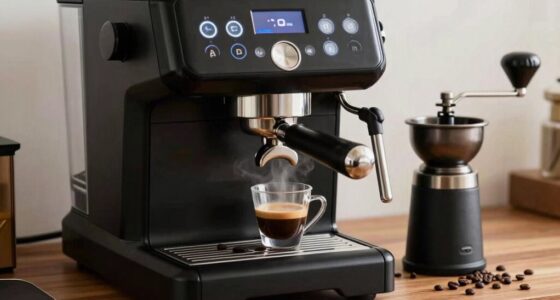
If your De’Longhi espresso machine is leaking water unexpectedly, it can disrupt your coffee routine and potentially damage the device. Leaks are often caused by internal blockages, worn-out seals, or mineral buildup. Addressing these issues promptly can extend your machine’s lifespan and ensure your coffee tastes perfect every time.

Get home appliances delivered free with Prime
- Fast, free delivery on millions of items
- Prime Video, Amazon Music and more included
- Member-only deals all year
In this guide, we’ll walk you through a clear, safe, and effective troubleshooting process to identify and fix leaks in your De’Longhi Magnifica Evo Next Fully Automatic Espresso Machine. Whether you’re a seasoned barista or a casual user, these steps will help you restore your machine’s proper function.
Key Takeaways
| Identify the leak source | Check hoses, seals, and water tank for visible issues. |
| Clean and descale regularly | Mineral buildup can cause blockages leading to leaks. |
| Replace worn parts | Seals and gaskets deteriorate over time and need replacement. |
| Ensure proper assembly | Reassemble all parts tightly to prevent water escape. |
Step 1: Turn Off and Unplug Your Machine
Before starting any troubleshooting, safety is paramount. Turn off your De’Longhi espresso machine and unplug it from the power outlet. Remove the water tank and any removable parts to access the internal components more easily. Empty the water tank and wipe it dry to prevent spills.
Step 2: Inspect for Visible Leaks and Blockages
- Check the water tank, hoses, and connection points for cracks, holes, or loose fittings.
- Look inside the water chamber and around the brew group for signs of water pooling or drips.
- Ensure the seals and gaskets, especially around the water tank and brew unit, are intact and properly seated.
If you notice any cracks or worn seals, these are likely the cause of the leak and need replacement.
Step 3: Clean and Descale the Machine
Mineral deposits from hard water can cause blockages and pressure buildup, leading to leaks. Use a descaling solution such as the De’Longhi EcoDecalk Descaler, following the manufacturer instructions, to remove scale buildup.
Regular cleaning not only prevents leaks but also maintains the quality of your coffee. For routine maintenance, run a descaling cycle every 2-3 months, depending on water hardness.
Step 4: Check and Replace Worn Seals or Gaskets
Over time, seals and gaskets can become brittle or worn out, allowing water to escape. Remove the water tank, brew group, and any other removable parts, then inspect the seals for cracks or deterioration.
If you find any damage, replace these parts with genuine De’Longhi replacements. Proper sealing ensures no water leaks occur during operation.
Step 5: Reassemble, Test, and Monitor
Once you’ve cleaned and replaced necessary parts, carefully reassemble your machine, ensuring all components are securely fitted. Fill the water tank and plug your machine back in.
Run a test cycle without coffee or with a small amount of water to check for leaks. Observe all connection points and internal areas. If water continues to leak, recheck your seals or consider professional repair.
The Products in This Guide
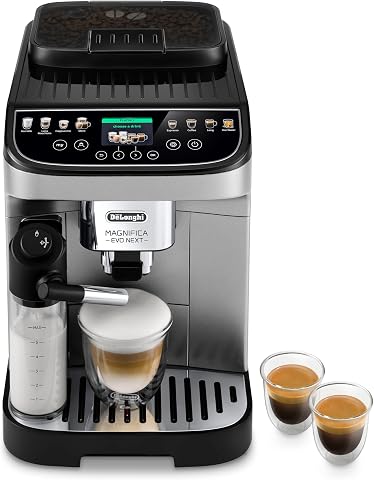
De’Longhi Magnifica Evo Next Fully Automatic Espresso Ma
- ✔ Color: Stainless Steel
- ✔ Water Filter: Optional
- ✔ Warranty: 1 year

De’Longhi Replacement Water Filter
- ✔ Filter Type: Water filter
- ✔ Replacement Interval: 2 months
- ✔ Compatibility: Specific De’Longhi models
De’Longhi Magnifica Evo Next Fully Automatic Espresso Ma
The De’Longhi Magnifica Evo Next Fully Automatic Espresso Machine offers a premium experience with 13 one-touch recipes, a built-in grinder, and the LatteCrema Hot System. It’s designed for convenience and quality, making it a top choice for coffee lovers.
Pros:
- Programmable with multiple recipes
- Built-in conical burr grinder
- Automatic milk frother
- Hot & cold beverage options
Cons:
- Can be complex to clean fully
- Requires regular descaling
- Higher price point
Best for: Home baristas who want a fully automatic, versatile espresso machine
Not ideal for: Users seeking a simple, manual espresso maker
Bottom line: A versatile, fully automatic espresso machine ideal for coffee enthusiasts.
De’Longhi Replacement Water Filter
Using the De’Longhi Replacement Water Filter can significantly reduce lime scale buildup and improve water quality, which helps prevent leaks and maintains optimal machine performance.
Pros:
- Improves water taste
- Reduces mineral deposits
- Easy to install
- Enhances machine lifespan
Cons:
- Requires regular replacement
- Additional cost
Best for: Maintaining machine efficiency and water quality
Not ideal for: If you prefer manual cleaning over filtration
Bottom line: A simple upgrade that can prevent many common water-related issues.
Frequently Asked Questions
Why is my De’Longhi espresso machine leaking water?
Leaks are often caused by worn-out seals, blockages from scale buildup, loose fittings, or cracks in water hoses. Inspecting these components helps identify the source.
How often should I descale my De’Longhi machine?
It is recommended to descale every 2-3 months, especially if you have hard water, to prevent mineral deposits that can cause leaks and impair performance.
Can I replace seals and gaskets myself?
Yes, if you follow proper instructions and use genuine replacement parts. Be sure to turn off and unplug the machine before disassembly.
What is the best way to prevent leaks in the future?
Regular cleaning, descaling, and replacing worn seals or filters will help keep your machine leak-free and functioning optimally.
Is it safe to operate the machine after fixing a leak?
Yes, once all parts are properly reassembled and the leak is resolved, it is safe to operate. Always run a test cycle before brewing coffee.
Keep Your Coffee Brewing Perfectly
Addressing water leaks in your De’Longhi espresso machine is straightforward with careful inspection, cleaning, and replacement of worn parts. Regular maintenance not only prevents leaks but also ensures your machine continues to produce high-quality coffee day after day. Always use genuine parts and follow safety precautions to keep your espresso experience smooth and enjoyable.
Affiliate disclosure: As an Amazon Associate we earn from qualifying purchases. Prices and availability are accurate as of the time of publishing.
Halloween Picks
halloween
As an affiliate, we earn on qualifying purchases.