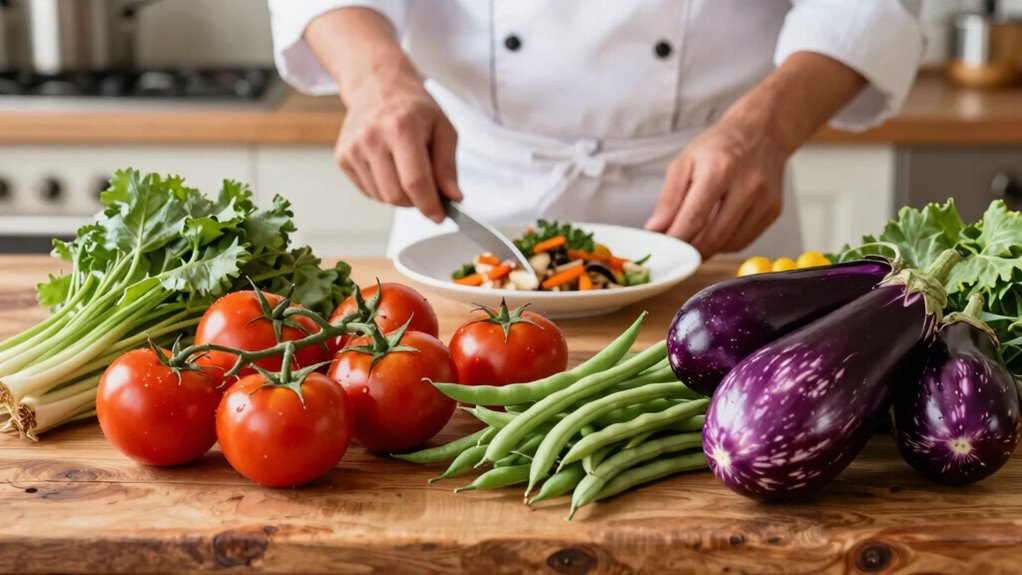

Cooking seasonally helps you cut waste and boost flavor by using ingredients at their peak ripeness and freshness, which taste better and last longer. When you buy local and in-season produce, you support nearby farmers and reduce environmental impact from transportation. Plus, it simplifies meal planning, so you’re less likely to toss spoiled food. By exploring seasonal ingredients, you reveal new flavors and minimize waste—discover more ways to make your meals tastier and greener.

Get home appliances delivered free with Prime
- Fast, free delivery on millions of items
- Prime Video, Amazon Music and more included
- Member-only deals all year
Key Takeaways
- Using in-season ingredients enhances flavor and extends freshness, reducing spoilage and waste.
- Supporting local farmers and seasonal markets minimizes transportation-related waste and environmental impact.
- Planning around seasonal produce simplifies meal prep and prevents unused, spoiled ingredients.
- Preserving excess seasonal produce through freezing or canning extends usability and reduces waste.
- Seasonal eating promotes biodiversity and nutritional variety, decreasing reliance on chemically preserved, out-of-season foods.
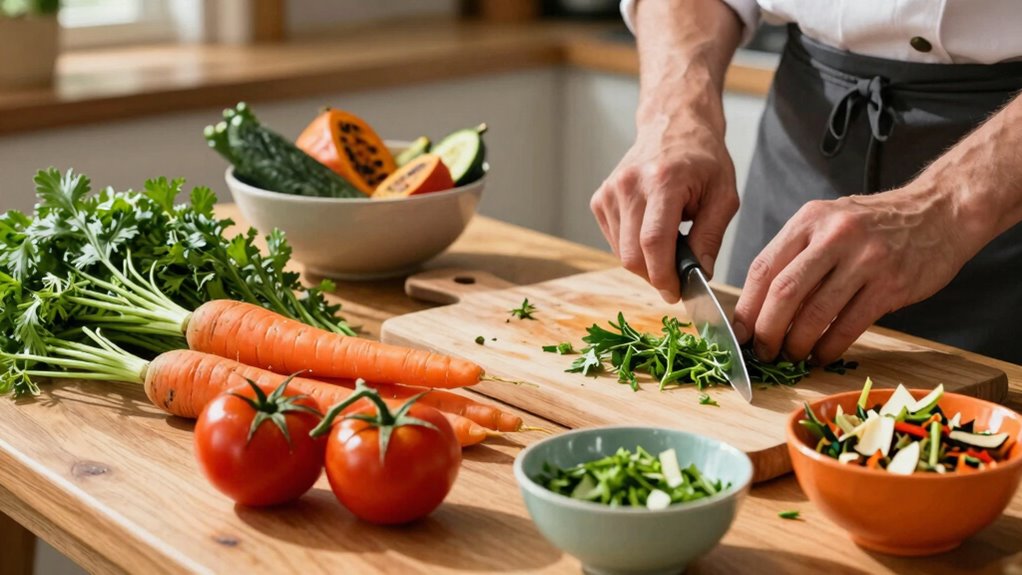
Cooking seasonally not only enhances the flavor of your meals but also helps reduce food waste. When you shop at farmers markets, you’re more likely to find ingredients at their peak of freshness, which means they taste better and last longer once you bring them home. Seasonal produce is harvested at the right time, so it’s ripened naturally and doesn’t need extra chemicals or prolonged storage. This ingredient freshness means you’re less likely to throw out spoiled or wilted vegetables, and your dishes will have a richer, more vibrant flavor. By choosing what’s in season, you’re aligning your cooking with nature’s cycle, making it easier to plan meals that utilize what’s available in abundance.
When you buy seasonally, you also support local farmers and reduce the environmental impact associated with long-distance transportation of produce. Farmers markets often offer a variety of fresh, local ingredients that you might not find in grocery stores. These markets encourage you to adapt your recipes based on what’s in season, which naturally leads to less food waste. Instead of buying ingredients that are out of season and may spoil quickly, you focus on what’s currently available, making it easier to use everything you purchase. This approach not only minimizes waste but also helps you discover new flavors and experiment with different recipes, keeping your meals exciting and fresh.
Cooking seasonally also means you’re more likely to buy in bulk when ingredients are plentiful, which reduces packaging waste and often costs less. When ingredients are at their peak, you can buy larger quantities and preserve leftovers through freezing, pickling, or canning. This preserves the ingredient’s freshness for later use, further cutting down on waste. Plus, seasonal cooking encourages you to plan your meals around the harvest, minimizing impulse buys and reducing the chances of food going bad before you use it. Additionally, choosing seasonal foods often means consuming fewer chemical preservatives, which can be present in out-of-season produce. Furthermore, embracing biodiversity in your shopping choices introduces a wider variety of nutrients and reduces reliance on monoculture farming practices.
seasonal produce storage containers
As an affiliate, we earn on qualifying purchases.
As an affiliate, we earn on qualifying purchases.
Frequently Asked Questions
How Can I Find Seasonal Ingredients in My Local Area?
You can find seasonal ingredients in your local area by visiting farmer markets, which often feature fresh, local produce at its peak. Checking seasonal produce guides online or in print helps you identify what’s in season. Talk to farmers or vendors at these markets for tips, and explore community-supported agriculture (CSA) programs. This way, you get flavorful ingredients while supporting local farmers and reducing waste.
Are Frozen Seasonal Foods as Flavorful as Fresh Ones?
Frozen seasonal foods can be just as flavorful as fresh ones if you know the right preservation techniques. Freezing locks in peak flavor, making it easy to enjoy seasonal produce year-round. While fresh might have a slight edge, freezing preserves nutrients and enhances flavor over time. Think of it as hitting two birds with one stone—saving money and reducing waste without compromising taste. So, don’t overlook frozen options!
How Does Seasonal Cooking Impact Food Storage Requirements?
Seasonal cooking reduces your food storage needs by aligning with peak harvest times, minimizing the need for extensive food preservation. You can rely on fresh ingredients, which require less complex storage techniques like refrigeration or freezing. By eating seasonally, you cut down on long-term storage, decrease waste, and enjoy fresher flavors. This approach streamlines food preservation efforts and keeps your kitchen more efficient, saving space and ensuring better quality ingredients.
Can Seasonal Cooking Reduce Overall Grocery Costs?
Yes, seasonal cooking can reduce your grocery costs. When you plan your meals around what’s in season, you buy ingredients that are abundant and cheaper. By practicing budget shopping, you avoid overpriced items and waste. Meal planning becomes easier because you know what’s readily available, helping you make smarter choices. This approach guarantees fresher, tastier ingredients while saving money overall, making your grocery shopping more efficient and cost-effective.
What Are Some Beginner-Friendly Seasonal Recipes?
You’ll find that beginner-friendly seasonal recipes highlight simple cooking techniques like roasting or sautéing, which boost flavor and are easy to master. Did you know that using fresh, seasonal ingredients can enhance flavor pairings naturally? For example, pairing spring asparagus with lemon or summer tomatoes with basil creates delicious dishes with minimal effort. Start with these straightforward recipes, and you’ll enjoy fresh flavors while building your confidence in seasonal cooking.
Conclusion
By embracing seasonal cooking, you not only enhance your dishes’ flavor but also considerably cut down on waste. When you buy what’s in season, you’re using produce at its peak, reducing spoilage and unnecessary packaging. Isn’t it satisfying to think your meals are tastier and more eco-friendly? So, next time you plan your menu, ask yourself: why not make seasonal ingredients your secret weapon for a greener, more delicious kitchen?
Fall Picks
fall essentials
As an affiliate, we earn on qualifying purchases.