The Slow Food Movement started in Italy in the late 1980s as a response to fast food culture, emphasizing savoring, sustainability, and cultural preservation. Its philosophy encourages you to enjoy responsibly sourced, seasonal ingredients, supporting local farmers and traditional recipes. Globally, it inspires communities to prioritize ecological farming and cultural pride while resisting homogenization. If you want to explore how this movement influences culinary choices and environmental efforts worldwide, discover more about its inspiring initiatives.

Get home appliances delivered free — and shop member deals
- Fast, free delivery on millions of items
- Access to Prime Big Deal Days deals on October 6–7
- Prime Video, Amazon Music and more included
Key Takeaways
- The Slow Food Movement originated in Italy in 1986 to oppose fast food culture and promote local, traditional food practices.
- It emphasizes savoring food, supporting sustainable agriculture, and preserving culinary traditions and biodiversity.
- The movement advocates for responsible sourcing, environmental sustainability, and fair treatment of food producers.
- It fosters community engagement through farmers’ markets, educational programs, and local food initiatives worldwide.
- Globally, it aims to combat food homogenization, promote cultural identity, and encourage mindful, ethical eating habits.
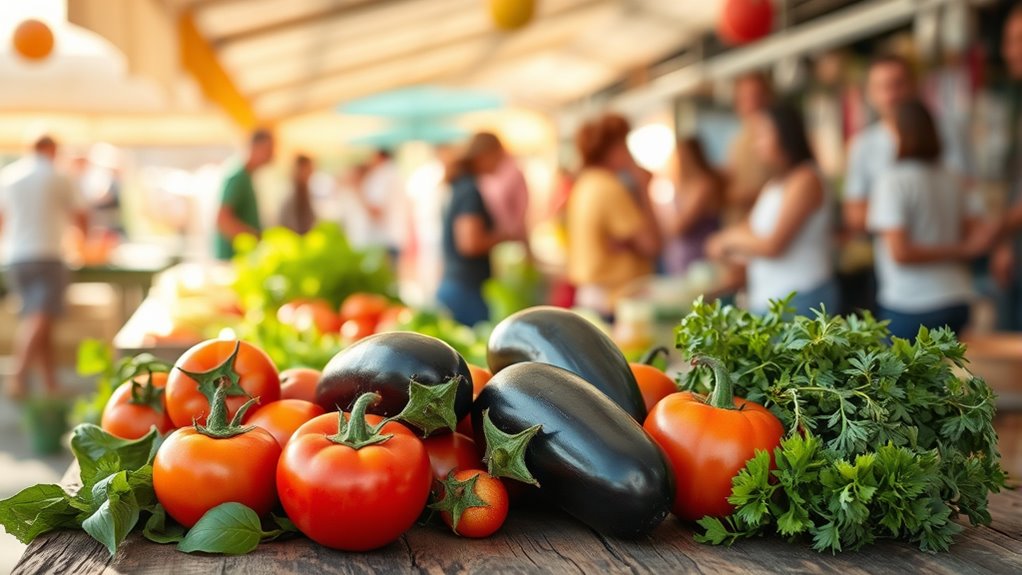
Have you ever wondered why fast food has become the norm? It’s quick, convenient, and seemingly always available, but it often comes at the expense of quality, health, and environmental sustainability. The Slow Food Movement offers a stark contrast, encouraging you to pause and appreciate the food you eat. At its core, it champions sustainable agriculture, emphasizing farming methods that protect the environment, preserve biodiversity, and support local communities. Instead of relying on mass-produced ingredients, the movement urges you to seek out foods that are grown responsibly and harvested at their peak, ensuring better flavor and nutrition. This focus on sustainable agriculture also helps combat climate change by reducing the carbon footprint associated with intensive farming practices and long-distance food transportation.
Beyond environmental concerns, the movement deeply values culinary traditions. It invites you to reconnect with the rich history and cultural significance behind the dishes you enjoy. When you embrace slow eating, you’re not just consuming food—you’re celebrating centuries of craftsmanship, regional flavors, and family recipes passed down through generations. This appreciation for culinary traditions fosters a sense of community and identity, reminding you that food is more than just sustenance; it’s a reflection of culture, history, and shared experiences. By supporting local farmers and artisans, you help sustain these traditions and keep them alive in a rapidly modernizing world. Additionally, fostering creative storytelling around food can strengthen community bonds and promote cultural preservation.
The philosophy behind the Slow Food Movement also encourages you to be mindful in your eating habits. Instead of rushing through meals or opting for processed options, you’re prompted to savor each bite, paying attention to the textures, aromas, and flavors. This mindful approach not only enhances your dining experience but also promotes better digestion and a healthier relationship with food. The movement advocates for dignity in food production and fair treatment of workers, emphasizing that good food should be accessible to everyone, not just a privileged few.
Globally, the influence of the Slow Food Movement is undeniable. It’s inspiring communities worldwide to prioritize local, seasonal ingredients and to resist the homogenization brought about by globalization. Many cities now host farmers’ markets, community-supported agriculture programs, and educational initiatives that promote sustainable practices and culinary heritage. By choosing to participate in this movement, you’re contributing to a broader shift toward more ethical, environmentally friendly, and culturally enriching food systems. It’s a reminder that slowing down, appreciating quality, and honoring tradition can transform not only your plate but also the planet.
As an affiliate, we earn on qualifying purchases.
Frequently Asked Questions
How Has the Slow Food Movement Adapted to Modern Urban Lifestyles?
You can embrace the Slow Food Movement in urban lifestyles by prioritizing local, sustainable ingredients even with busy schedules. You might use technological integration, like apps for sourcing fresh produce or finding farmers’ markets, to support urban sustainability. Cooking at home becomes a mindful activity, helping you connect with food’s origins. This approach encourages balanced living while promoting environmental responsibility, making it easier to integrate Slow Food principles into modern urban routines.
What Are the Primary Challenges Facing the Movement Globally Today?
You face challenges like disrupted supply chains that make it hard to access local, sustainable foods. Additionally, cultural preservation struggles as globalized diets threaten traditional recipes and culinary practices. These issues hinder the movement’s goal of promoting mindful eating and local food systems. To overcome them, you need to support resilient supply chains and actively celebrate and safeguard diverse food heritages worldwide.
How Do Local Cuisines Influence the Slow Food Philosophy?
Think of local cuisines as the roots of a mighty tree—deep, strong, and essential. They influence the Slow Food philosophy by emphasizing local ingredients and preserving culinary traditions. You embrace these authentic flavors, supporting sustainable farming and cultural diversity. By honoring local ingredients and culinary traditions, you help sustain regional identities and promote a more mindful, connected approach to food that respects both people and the planet.
What Role Do Youth and Education Play in the Movement’s Growth?
You can help the Slow Food Movement grow by engaging youth through educational initiatives. Youth engagement is essential because young people bring fresh perspectives and energy. By participating in activities like school programs, workshops, and community projects, you foster appreciation for local foods and sustainable practices. Educating young generations ensures the movement’s values are passed down, strengthening its global influence and creating a future committed to food integrity and biodiversity.
Are There Any Notable Criticisms of the Slow Food Movement?
You might see criticism of the Slow Food Movement, especially around ethical concerns and economic impacts. For example, some argue it favors small-scale farmers, which could limit food accessibility and inflate prices. While promoting local, sustainable foods, critics say it might unintentionally widen social inequalities or neglect global food security issues. Despite its ideals, balancing tradition with affordability remains a challenge, sparking debate among skeptics and supporters alike.
Conclusion
Think of the Slow Food Movement as a garden you tend with care. Each mindful choice you make—savoring local flavors, supporting sustainable farmers—plants seeds of change. Over time, your small acts grow into a vibrant ecosystem that preserves tradition and nurtures our planet. By embracing this movement, you become a gardener of our future, cultivating a world where food is cherished, local, and alive—one mindful bite at a time.
NFL season / tailgating Picks
team gear
As an affiliate, we earn on qualifying purchases.