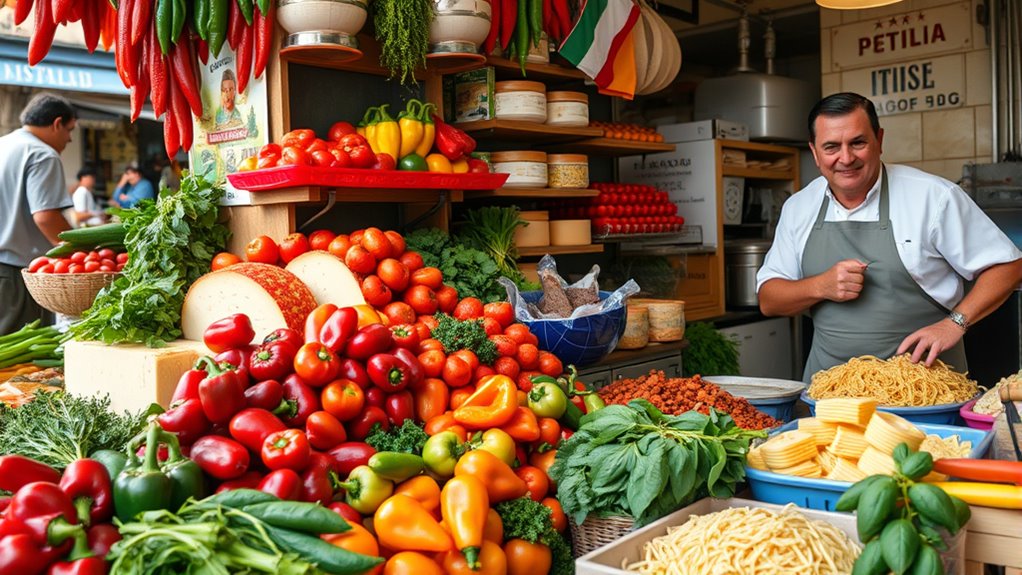

Immigration has greatly enriched modern Italian food culture by bringing new flavors, ingredients, and culinary techniques that merge with Italy’s traditional dishes. You’ll find regional influences from around the world, such as spicy toppings or unique spices that enhance familiar recipes. Fusion dishes in cities reflect a blend of Asian, Middle Eastern, or Latin American styles, creating a vibrant and evolving culinary scene. If you’re curious, exploring how these influences continue to shape Italian cuisine offers even more fascinating insights.
Key Takeaways
- Immigration introduces new ingredients and flavors, enriching traditional Italian dishes with global culinary influences.
- Regional immigrant communities incorporate authentic tastes and spices from their homeland, deepening local culinary diversity.
- Fusion cuisine in urban areas blends Italian staples with Asian, Middle Eastern, or Latin American elements, creating innovative dishes.
- Italian cuisine evolves dynamically, reflecting cultural exchange and maintaining a balance between tradition and innovation.
- Food becomes a symbol of cultural identity and openness, showcasing Italy’s ongoing culinary adaptation and diversity.
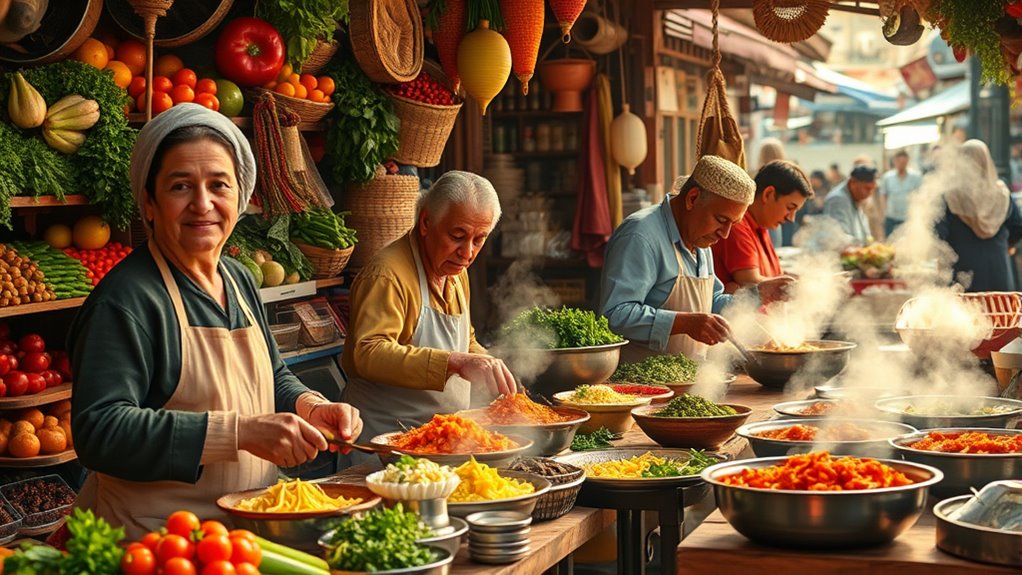
Immigration has profoundly shaped Italian food culture, bringing new flavors, ingredients, and culinary traditions into the fold. As newcomers arrive from different parts of the world, they introduce regional flavors that blend seamlessly with Italy’s rich culinary history. This ongoing exchange creates a vibrant mosaic where traditional Italian dishes are infused with global influences, resulting in a dynamic culinary fusion. You’ll notice how local ingredients are paired with spices, herbs, and techniques from other cultures, transforming familiar recipes into exciting new creations.
Immigration enriches Italian cuisine by blending local flavors with global influences, creating a vibrant culinary mosaic.
For example, regional flavor plays a significant role in this evolution. Immigrants bring their own authentic tastes, which often reflect their homeland’s culinary customs. A dish like pasta might incorporate spices or toppings that weren’t common before, such as chili from South America or coconut from Southeast Asia. These subtle yet impactful modifications deepen the regional character of Italian cuisine, making each area’s food more diverse and layered. This regional flavor isn’t just about ingredients; it’s about the stories and traditions behind each dish, now expanded through cultural exchange. You’re likely to savor a pizza with toppings influenced by immigrant communities, blending Italian techniques with ingredients from distant lands, creating a truly global yet distinctly Italian experience.
Culinary fusion becomes a defining feature of modern Italian food, especially in urban centers and cosmopolitan regions. As different cultures intersect, the boundaries of traditional Italian cooking expand. You’ll find fusion dishes that marry Italian staples like risotto or lasagna with influences from Asian, Middle Eastern, or Latin American cuisines. This blending isn’t about replacing classic recipes but enhancing them, adding new layers of flavor and texture that appeal to contemporary tastes. It’s a creative process that respects heritage while embracing innovation, making Italian food more versatile and accessible to a diverse audience. Restaurants and home cooks alike experiment with combining ingredients and techniques, resulting in dishes that are familiar yet fresh.
Additionally, the incorporation of regional flavor from immigrant communities enriches the diversity of Italian cuisine, ensuring it remains a living tradition rather than a static one. Ultimately, immigration fuels Italy’s culinary evolution, fostering a spirit of openness and adaptation. It invites you to explore a broader spectrum of flavors and appreciate how global influences can coexist harmoniously within Italian cuisine. Each new ingredient or technique you encounter tells a story of cultural exchange, demonstrating that food is a living, breathing reflection of history and community. This ongoing culinary fusion not only preserves Italy’s culinary traditions but also pushes them forward, ensuring that Italian food remains vibrant, relevant, and continually inspiring for generations to come.
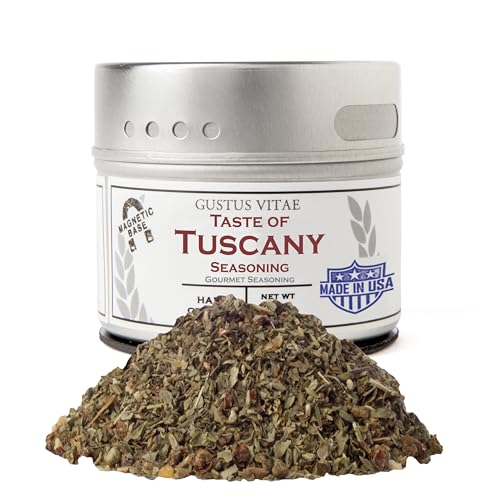
Taste of Tuscany Seasoning | Salt Free | Gourmet Spice Blend | Non GMO, All Natural | Artisanal Seasoning Mix | Handmade in Small Batches in USA | Magnetic Tin | GLP-1 Friendly | Gustus Vitae | Tuscan Spice Mix
The Finest Quality In Spices: We use only the very best in sustainably sourced, all natural ingredients, inspecting…
As an affiliate, we earn on qualifying purchases.
As an affiliate, we earn on qualifying purchases.
Frequently Asked Questions
How Have Immigrant Communities Influenced Regional Italian Cuisines?
Immigrant communities have markedly shaped regional Italian cuisines through culinary fusion, blending traditional recipes with flavors from their native countries. You can taste this fusion cuisine in dishes like Sicilian-Arabic influences or South American-inspired pasta. Their contributions introduce new spices, ingredients, and techniques, enriching Italy’s culinary landscape. This ongoing culinary fusion reflects Italy’s openness to diverse cultures, making each region’s food more vibrant and dynamic for you to explore and enjoy.
What New Italian Dishes Have Emerged From Immigrant Culinary Traditions?
You’ll discover new Italian dishes born from immigrant culinary traditions, showcasing vibrant fusion cuisine and culinary innovation. For example, you might enjoy pizza with spicy Thai toppings or pasta infused with North African spices. These creations blend Italy’s classic ingredients with diverse flavors, reflecting cultural exchange. By embracing these innovations, you actively participate in evolving Italian cuisine, making it richer and more exciting through the fusion of traditions and tastes.
Are Immigrant Chefs Gaining Recognition in Italy’s Culinary Scene?
Ever wonder if immigrant chefs are finally getting their due? Yes, they are! More immigrant chefs are gaining recognition in Italy’s culinary scene, often earning celebrity chef status and prestigious culinary awards. Their innovative dishes and diverse backgrounds bring fresh perspectives that Italy’s food scene desperately needs. Isn’t it exciting to see their talents celebrated and their influence shaping Italy’s vibrant gastronomic landscape?
How Do Immigrant Food Markets Impact Local Italian Food Practices?
Immigrant food markets greatly impact local Italian food practices by introducing new ingredients and flavors, fostering culinary fusion. You’ll notice how these markets challenge traditional notions of food authenticity, encouraging experimentation and diversity. As you explore, you see how local chefs and home cooks incorporate these influences, blending cultures to create innovative dishes. This dynamic exchange enriches Italy’s culinary scene, making it more vibrant and inclusive while preserving the essence of Italian cuisine.
What Challenges Do Immigrant Cooks Face in Italy’s Food Industry?
You face tough challenges like language barriers and credential recognition, making it hard to showcase your talents. Imagine trying to cook a perfect risotto without understanding the recipe fully—that’s how language obstacles can hinder your progress. Many immigrant cooks struggle to have their skills recognized, forcing them to start from scratch or accept lower positions. Despite your passion, these hurdles can feel like a mountain you have to climb daily.

Italians Do It Better Garlic'issimo Garlic Marinara Pasta Sauce – Authentic Italian Tomatoes with Basil, Garlic, Oregano & White Pepper – No Sugar Added, Non-GMO, Preservative-Free – Imported from Italy – 24oz Jar
GARLIC MARINARA RICH & ROBUST: Infused with roasted Italian garlic, basil, oregano, and white pepper for a deep,…
As an affiliate, we earn on qualifying purchases.
As an affiliate, we earn on qualifying purchases.
Conclusion
You’ve seen how immigration has transformed Italian food culture, blending diverse flavors and traditions. Remarkably, nearly 20% of Italy’s population has immigrant roots, fueling this culinary evolution. As you savor classic dishes, remember that each bite reflects a rich fusion of global influences. Embracing these changes keeps Italian cuisine vibrant and dynamic, showing how migration continuously shapes and enriches Italy’s culinary identity. So, next time you enjoy Italian food, you’re tasting a world of cultural exchange.

Enrico Formella | Hot & Spicy Pizza Topping | Italian – Chicago Style Hot Pickled Vegetables 16oz.
PIZZA TOPPING – No need to order olives on your pizzas anymore… This gourmet mix contains 30% sliced…
As an affiliate, we earn on qualifying purchases.
As an affiliate, we earn on qualifying purchases.

iSpice – MIDDLE EASTERN SEASONING World Flavor Super Spice Blend | All Natural | Ready to use as is | No preparation is necessary
Unique Flavor: Middle Eastern seasoning is a spice blend with a unique flavor that adds a savory, earthy…
As an affiliate, we earn on qualifying purchases.
As an affiliate, we earn on qualifying purchases.