To craft vegan versions of classic Italian sauces, use plant-based ingredients like nut-based cheeses, nutritional yeast, and creamy plant milks to mimic traditional cheese and cream textures. Boost flavor with sun-dried tomatoes, herbs, and umami-rich elements like miso or tamari. Roast vegetables to deepen flavor, and add acidity from lemon or balsamic vinegar for brightness. With these tips, you can create delicious, authentic-tasting vegan sauces—continue exploring to reveal even more secrets.

Get home appliances delivered free with Prime
- Fast, free delivery on millions of items
- Prime Video, Amazon Music and more included
- Member-only deals all year
Key Takeaways
- Use plant-based cheeses, nutritional yeast, or vegan cheese to replicate the cheesy depth in sauces like Alfredo or béchamel.
- Incorporate umami boosters such as sun-dried tomatoes, miso, and roasted garlic to enhance savory flavors.
- Add acidity with lemon juice or vinegar to brighten and balance the richness of vegan sauces.
- Develop complex flavors through slow simmering, roasting vegetables, and adding smoky ingredients like paprika or liquid smoke.
- Enhance authenticity with fresh herbs, plant oils, and gradual seasoning adjustments for vibrant, well-rounded flavors.
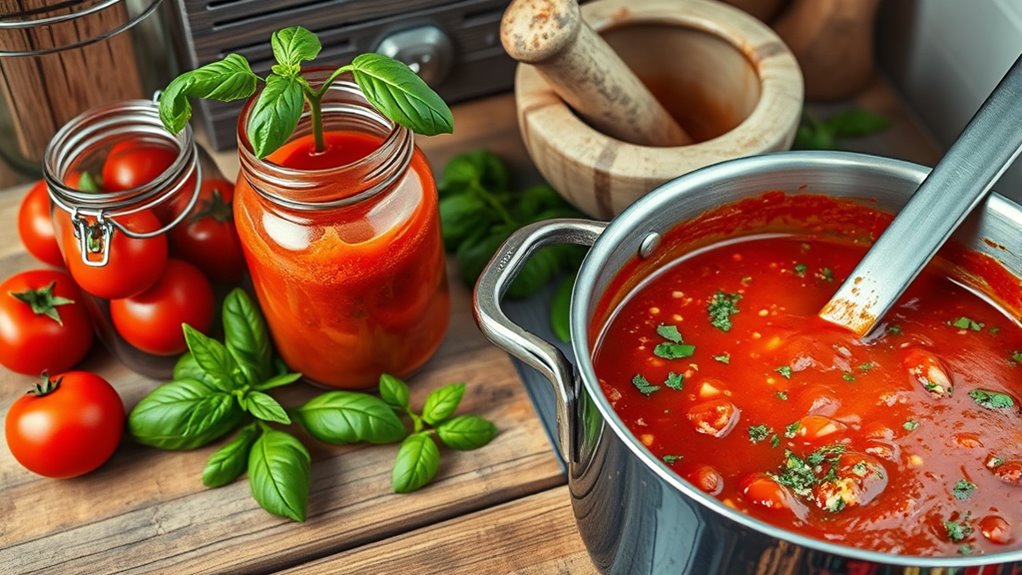
Ever wondered how to enjoy classic Italian flavors without animal products? It’s easier than you might think, especially when you understand how to use dairy substitutions and flavor enhancements to mimic traditional ingredients. Traditional Italian sauces often rely on butter, cheese, and cream to create richness, but vegan versions can achieve similar results with plant-based alternatives. For example, instead of dairy cheese, you can use nut-based cheeses, nutritional yeast, or store-bought vegan cheese that melts well. These dairy substitutions provide that cheesy, savory depth without any animal products. Additionally, plant-based milks like cashew or almond milk can replace cream to create a silky texture in sauces like Alfredo or béchamel.
Flavor enhancements are key to making vegan Italian sauces taste authentic and satisfying. You’ll want to focus on boosting umami, which is abundant in aged cheeses and broths. Incorporate ingredients like sun-dried tomatoes, miso paste, or tamari to add depth and complexity. Fresh herbs such as basil, oregano, and thyme amplify the vibrant flavors typical of Italian cuisine. To mimic the tanginess of Parmesan, nutritional yeast is an excellent addition. It not only provides a cheesy flavor but also enhances the overall savory profile of your sauce. When building your sauce, don’t shy away from roasting vegetables like garlic, onions, or even red peppers beforehand—they develop sweetness and umami that elevate the dish.
Another trick is to use vinegar or lemon juice to add brightness and acidity, balancing the richness of your vegan sauces. For example, a splash of balsamic vinegar can deepen flavors in a tomato-based sauce, while a squeeze of lemon can brighten a creamy Alfredo. When making a vegan marinara or bolognese, simmering the sauce longer allows the flavors to meld and intensify, creating a more authentic taste. You can also incorporate smoked paprika or liquid smoke to mimic the smoky notes that sometimes come from cured meats used in traditional recipes.
As an affiliate, we earn on qualifying purchases.
Frequently Asked Questions
Can Vegan Sauces Be as Flavorful as Traditional Italian Sauces?
You might wonder if vegan sauces can match the flavor of traditional Italian ones. With the right flavor enhancement techniques, you can achieve rich, savory results using plant-based umami sources like mushrooms, sun-dried tomatoes, or nutritional yeast. These ingredients add depth and complexity, making your vegan sauces just as flavorful. With a little creativity, you can enjoy delicious, satisfying sauces that rival their classic counterparts.
Are There Vegan Substitutes for Parmesan Cheese in These Sauces?
You can find vegan cheese alternatives that mimic Parmesan’s salty, umami flavor, making them perfect for Italian sauces. Nut-based flavor enhancers, like cashew or almond parmesan, are popular options because they add richness and depth. These substitutes work well in recipes and can be easily prepared at home, ensuring your vegan sauces remain flavorful and satisfying, just like traditional versions.
How Can I Thicken Vegan Italian Sauces Without Dairy?
To thicken vegan Italian sauces without dairy, you can use plant-based thickeners like cornstarch, arrowroot, or blended cashews for creaminess. Oil-based modifications, such as simmering with a drizzle of olive oil or adding tomato paste, also help achieve a richer, thicker texture. These methods keep your sauce flavorful and smooth, ensuring it clings perfectly to your pasta while remaining entirely plant-based.
Do Vegan Sauces Require Special Storage or Preservation Methods?
Vegan sauces generally don’t need special storage methods, but proper storage tips help extend their shelf life. Keep your sauces in airtight containers in the refrigerator to prevent spoilage. Use them within 3-4 days for fresh sauces or freeze portions for longer storage. Always check for signs of spoilage before use. Proper storage guarantees your vegan sauces stay fresh and flavorful, making your cooking more enjoyable.
Are There Gluten-Free Options for Vegan Italian Sauces?
Think of your meal as a vibrant garden, where every element needs harmony. Yes, there are gluten-free options for vegan Italian sauces, like using gluten-free pasta and vegan cheese alternatives. These choices guarantee everyone can enjoy the flavors without worry. By selecting gluten-free and plant-based ingredients, you create a delicious, inclusive dish that celebrates diversity—just like a well-tended garden blooms with variety and life.
Conclusion
Just like the timeless artistry of Michelangelo shaping marble, you now have the tools to craft vegan Italian sauces that honor tradition while embracing compassion. With each stir and simmer, you breathe new life into classic flavors, transforming them into vibrant, plant-based masterpieces. Remember, every sauce you create is a brushstroke on your culinary canvas—reminiscent of Italy’s rich history—making your kitchen a gallery of delicious, compassionate art.
Cold & flu season Picks
humidifiers
As an affiliate, we earn on qualifying purchases.