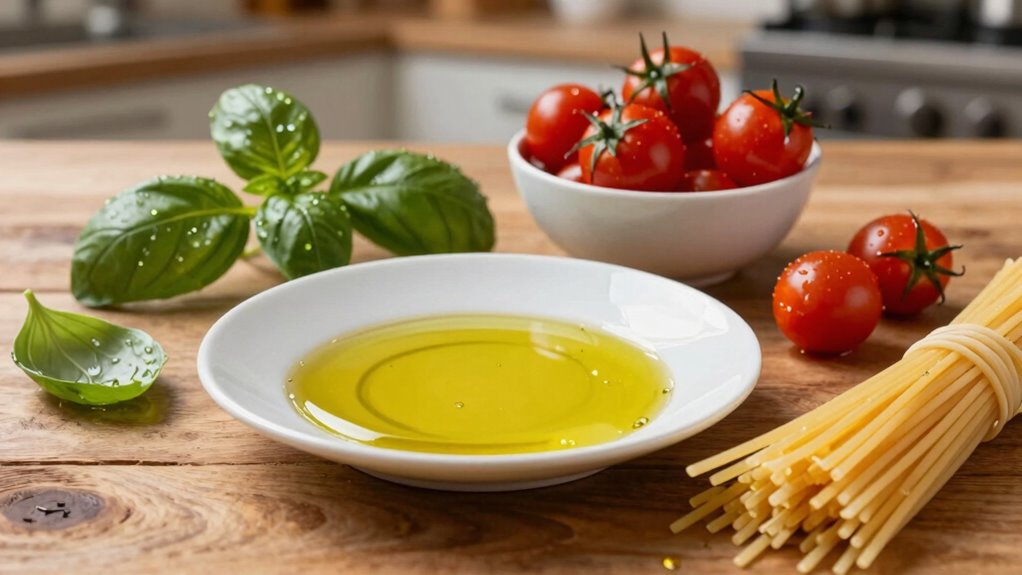

Traditional Italian cooking uses few ingredients because it emphasizes the natural flavors of high-quality, regional produce. By focusing on a small number of well-chosen elements, you can highlight their true essence through simple preparation techniques. This approach respects local traditions and seasonal cycles, ensuring each dish reflects the land’s unique character. If you keep exploring, you’ll discover how this simplicity creates vibrant, authentic flavors that truly stand out.

Get home appliances delivered free — and shop member deals
- Fast, free delivery on millions of items
- Access to Prime Big Deal Days deals on October 6–7
- Prime Video, Amazon Music and more included
Key Takeaways
- Emphasizing quality ingredients allows their natural flavors to stand out without being overwhelmed.
- Simplicity reflects respect for tradition and the importance of ingredient authenticity.
- Regional influences shape ingredient choices, focusing on local, seasonal produce for optimal flavor.
- Using fewer ingredients highlights the land’s terroir and cultural heritage.
- A focus on well-chosen, high-quality ingredients creates authentic, memorable dishes.

Italy’s rich culinary heritage is built on a handful of essential ingredients that define its authentic flavors. You’ll notice that traditional Italian dishes often rely on just a few key elements, yet they deliver complex, satisfying tastes. This simplicity isn’t a coincidence. Instead, it’s a reflection of Italy’s deep respect for quality and tradition. When you cook Italian, you focus on the ingredients’ natural qualities, allowing each to shine. It’s about understanding that fewer, well-chosen ingredients can create more vibrant, memorable dishes than an overload of flavors. Moreover, these ingredients are often regionally influenced, highlighting the importance of local terroir. Regional variations play a significant role in shaping these ingredient choices. For example, in the north, you’ll find dishes that use butter, cream, and rich cheeses, reflecting the cooler climate and dairy-rich landscapes. Down south, olive oil, tomatoes, and fresh herbs dominate, influenced by the Mediterranean environment. You adapt your ingredients based on where you are, embracing local traditions that have been passed down through generations. This regional influence means that what’s considered essential in one part of Italy might differ in another, but in each case, the ingredients are chosen for their quality and relevance to the local terroir. Seasonal produce is equally crucial. Italian cooks prioritize ingredients at their peak freshness, which means your shopping list changes with the seasons. In spring, you might use fresh peas and artichokes; in summer, ripe tomatoes, basil, and zucchinis take center stage. Autumn brings pumpkins and mushrooms, while winter calls for hearty greens and root vegetables. This seasonal approach isn’t just about flavor—it also reflects respect for nature’s cycles. Cooking with Seasonal produce ensures dishes are full of vitality and taste, and that you’re supporting local farmers and sustainable practices. Incorporating local ingredients also fosters a connection to the land and preserves culinary traditions. Additionally, focusing on quality ingredients is fundamental to achieving authentic Italian flavors. Recognizing the importance of local terroir helps cooks select ingredients that embody the unique characteristics of their region, making every dish more authentic.
Italian extra virgin olive oil 16oz
As an affiliate, we earn on qualifying purchases.
As an affiliate, we earn on qualifying purchases.
Frequently Asked Questions
How Do Italian Chefs Choose High-Quality Ingredients?
You choose high-quality ingredients by prioritizing ingredient sourcing, seeking fresh, authentic products from trusted suppliers or local markets. Italian chefs focus on flavor balancing, ensuring each ingredient complements the others without overpowering. They taste and evaluate every component, selecting those that enhance the dish’s natural flavors. This careful selection process highlights the importance of quality over quantity, allowing the simplicity of Italian cuisine to shine through with rich, well-rounded flavors.
Are Traditional Italian Recipes Passed Down Through Generations?
Yes, traditional Italian recipes are passed down through generations. You’ll find that heritage preservation plays an essential role, with family recipes often kept alive through storytelling and practice. These recipes hold cultural significance, and you’re encouraged to learn and honor them. By doing so, you keep the authentic flavors and techniques alive, ensuring that the rich history of Italian cuisine continues to thrive in your own kitchen and beyond.
How Does Regional Italy Influence Ingredient Choices?
Regional Italy subtly shapes your ingredient choices through its unique agricultural practices and culinary heritage. You find that local traditions and climate influence what’s grown and prized, guiding your hand in selecting fresh, authentic flavors. This regional diversity encourages you to embrace simplicity, allowing each ingredient’s natural essence to shine. Ultimately, your dishes reflect a rich tapestry of local history, climate, and farming, making each meal a genuine celebration of Italy’s diverse culinary landscape.
Do Italian Cooks Use Modern Techniques With Traditional Ingredients?
Yes, Italian cooks do incorporate modernist techniques and fusion cooking with traditional ingredients. You might see chefs experimenting with sous-vide, molecular gastronomy, or creative flavor pairings to elevate classic dishes. These techniques respect the core ingredients but add innovative twists, blending tradition with modern culinary trends. It’s a way to honor Italy’s rich culinary heritage while pushing boundaries and bringing new excitement to familiar flavors.
How Important Is Seasonality in Italian Ingredient Selection?
Seasonality is vital in Italian ingredient selection because it guarantees you get the best seasonal flavors and fresh produce. Using ingredients at their peak enhances your dishes’ natural taste, making them more vibrant and authentic. When you cook with seasonal produce, you naturally follow nature’s cycles, which simplifies your cooking process and results in richer, more flavorful meals that truly reflect Italy’s culinary tradition.
Conclusion
In the end, you’ll find that Italian cooking’s charm isn’t just in complexity, but in the subtle dance of few, carefully chosen ingredients. It’s almost like a delicate conversation—each element speaking softly, yet profoundly. When you embrace simplicity, you allow the true flavors to shine through, gently revealing the essence of each component. So, don’t overlook the power of restraint; sometimes, less truly says so much more.
Fall Picks
fall essentials
As an affiliate, we earn on qualifying purchases.