
TL;DR

Get home appliances delivered free with Prime
- Fast, free delivery on millions of items
- Prime Video, Amazon Music and more included
- Member-only deals all year
A Hunker report presents glazed lava stone as a distinctive alternative to the familiar subway tile backsplash, with varied colors and finishes and claimed heat resistance. The material can cost more than $250 per square foot before shipping and installation, and the report does not provide independent testing or a detailed price survey.
Glazed lava stone is being pitched as a more distinctive alternative to the standard subway tile backsplash, according to a Hunker report that describes its volcanic origins, range of finishes and potential durability. The option comes with a substantial price tag: the report puts lava stone at more than $250 per square foot, before added shipping and professional installation costs.
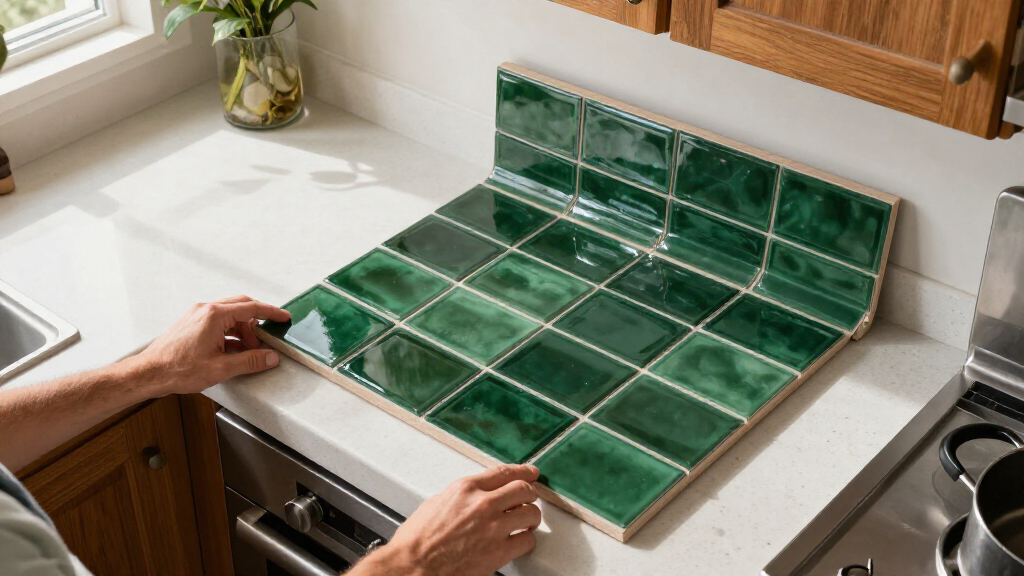
The material begins as volcanic stone, which the report says is commonly sourced from volcanoes in France. After the stone hardens, it is cut into slabs, coated with enamel and fired in high-temperature kilns. The cooling process produces a crackled appearance, with finishes that can range from glossy to matte and may look crystalline or translucent. Because the resulting surfaces vary, individual slabs may not look exactly alike.
Design options include a single large slab or custom tile layouts. The report says some brands offer as many as 34 colors, including earthy shades and grays. It recommends choosing a color with the kitchen’s overall temperature in mind: terracotta, rust, amber and olive can complement warm materials and lighting, while pale gray, cobalt and sage may suit cooler white kitchens. Neutral shades may balance rooms with existing patterns; stronger colors can stand out in simpler spaces.
Hunker describes lava stone as easy to clean with soapy water and resistant to heat, cold and sudden temperature changes, qualities that could make it suitable behind a stove. It also says matte finishes tend to conceal smudges, while marks and scratches may be more visible on glossy surfaces, which are easy to wipe. These are claims in the report; it does not cite independent testing or set out maintenance requirements for specific products.
For homeowners seeking a backsplash with more variation than the regular grid of subway tile, lava stone offers a different visual effect: natural variation, glaze and shifting tones rather than uniform rectangular pieces. Its range of formats and colors also gives designers ways to make the backsplash a focal point or coordinate it with counters, cabinets and other kitchen details.
Cost may rule it out for many projects. Hunker reports a price of more than $250 per square foot, with shipping, craftsmanship and installation adding to the final bill. The source does not specify a typical project size or total installed cost, so readers would need product-specific quotes before comparing it with other materials. The report also calls lava stone an eco-conscious alternative to quarried marble and granite, but provides no sourcing or environmental data to quantify that comparison.
Products Worth Considering

Shark Navigator Lift-Away Upright Vacuum Cleaner (NV356E)

Sony BRAVIA 5 85-Inch Mini LED 4K HDR Smart TV (K-85XR50)

Dyson Car+Boat Cordless Handheld Vacuum
As an affiliate, we earn on qualifying purchases.
From Volcanic Rock to Kitchen Glaze
Subway tile remains a familiar backsplash choice because its rectangular units create a consistent pattern. Hunker’s report argues that the same uniformity can make it feel commonplace, and positions lava stone as an option for kitchens where owners want a more individualized surface. The distinction is primarily one of appearance and design preference, not evidence that one material is universally better.
The report’s recommendations focus on matching the stone to the room rather than selecting a color in isolation. It suggests considering the kitchen’s lighting, floor, cabinetry, countertop and fixtures, and choosing a finish based on how much upkeep and visible marking the owner will accept. These suggestions are design guidance, not a substitute for checking the specifications and care instructions of a particular product.
Costs and Product Performance
The supplied report does not identify specific manufacturers or products, explain how its price estimate was calculated, or provide a date for the quoted cost. It is unclear how prices vary by color, slab size, origin, shipping distance or installation requirements. The stated figure should not be treated as a complete installed-price estimate.
Performance details also remain limited. Hunker describes the material as durable and heat tolerant but provides no test results, warranty terms or guidance on whether all finishes and products perform alike. Its environmental comparison with marble and granite is not supported in the supplied material by lifecycle data or sourcing details. Buyers should verify these points with a supplier and installer before committing.
Verify Specifications Before Ordering
Anyone considering lava stone can ask suppliers for current pricing, samples and product specifications, including care instructions, heat-performance information and warranty coverage. A sample viewed under the kitchen’s actual lighting can help show how its glaze and color read in the space.
Homeowners should also request an itemized estimate that accounts for material, shipping, fabrication and professional installation. The report identifies no upcoming product launch or industry milestone; the practical next step is a project-by-project comparison with other backsplash materials and confirmation that the chosen finish suits the intended use.
Key Questions
What is a lava stone backsplash?
It is a backsplash made from volcanic stone that is cut into slabs or tiles, coated with enamel and fired. The report says the process can create crackled, varied finishes.
How much does lava stone cost?
Hunker reports a price of more than $250 per square foot. Shipping and professional installation can add to the total, and the supplied report does not give a complete installed-cost estimate.
Is lava stone suitable behind a stove?
The report says lava stone can tolerate heat and sudden temperature changes, making it a possible option behind a range. It does not provide independent test data, so buyers should confirm the specific product’s ratings and installation requirements with the supplier.
Which lava stone finish is easier to maintain?
Hunker says matte finishes can hide smudges, while glossy finishes are easy to wipe clean but may show scratches and marks more clearly. Follow the care instructions for the selected product.
Source: hunker.com