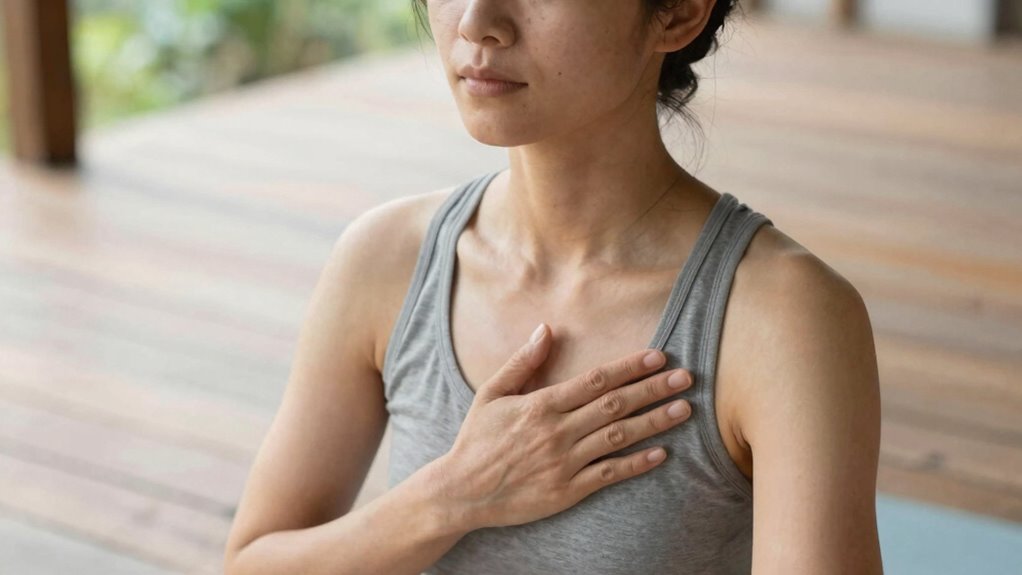

Your breath, posture, and pace influence your stress levels more than you might realize because they directly signal your nervous system how to react. Deep, diaphragmatic breathing calms you, while rapid, shallow breaths trigger stress responses. Good posture helps you feel confident and relaxes your body, reducing tension. Slowing your pace fosters mindfulness and control. If you stay curious, you’ll discover how these simple actions can considerably boost your resilience and well-being.

Get home appliances delivered free with Prime
- Fast, free delivery on millions of items
- Prime Video, Amazon Music and more included
- Member-only deals all year
Key Takeaways
- Proper breathing activates the parasympathetic nervous system, naturally reducing stress and promoting relaxation.
- Good posture sends signals of confidence, decreasing feelings of anxiety and physical tension.
- Slow, controlled pace of breathing helps regulate heart rate and prevent the fight-or-flight response.
- Combining mindful breath and posture creates a positive feedback loop that enhances resilience to stress.
- Small adjustments in pace, posture, and breath directly influence physical and mental stress responses.
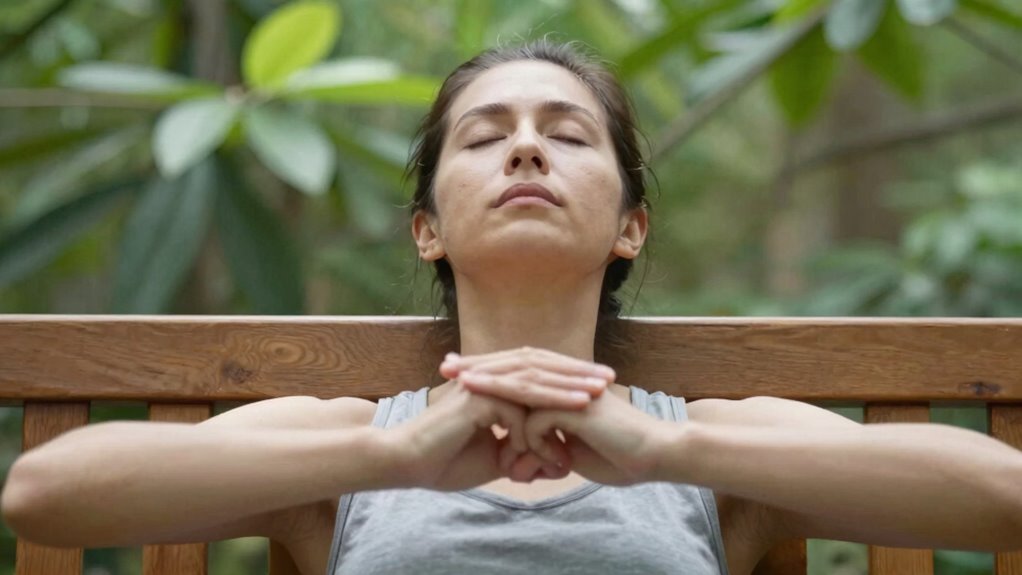
When you consciously adjust your breath, posture, and pace, you can markedly reduce stress and improve your overall well-being. These simple actions are powerful because they directly influence the mind-body connection, which links your mental state to physical processes. When you breathe deeply and intentionally, you send signals to your nervous system that help calm your body. Shallow or rapid breathing, often triggered by stress, activates your sympathetic nervous system—the fight-or-flight response—heightening your physiological responses like increased heart rate and muscle tension. Conversely, slow, diaphragmatic breathing stimulates your parasympathetic nervous system, promoting relaxation and reducing the physiological effects of stress.
Your posture also plays a vital role in managing stress. When you slouch or hunch over, you send subtle signals to your brain that you’re overwhelmed or defeated. This posture can reinforce feelings of anxiety or fatigue, further activating stress responses. Standing or sitting upright, with your shoulders back and chest open, sends a different message—one of confidence and control. Proper posture not only influences your mental state but also affects your body’s physiological responses, making it easier to stay calm and focused. Over time, good posture can even change the way your brain perceives stress, creating a positive feedback loop that enhances resilience. Additionally, maintaining a healthy posture can help prevent physical discomfort that might otherwise contribute to feelings of stress or fatigue. Incorporating mindful posture adjustments throughout the day can significantly boost your stress management strategies, especially when combined with mindful breathing. Engaging in mindfulness practices can further deepen the benefits of these techniques, fostering a more relaxed state of mind.
Products Worth Considering

TCL QM64L 85-Inch QD-Mini LED 4K Smart Fire TV

Blueair Blue Pure 211i Max Smart Air Purifier

Ring Battery Doorbell 2K Plus (2nd Gen) and Spotlight Cam Plus Battery Bundle
As an affiliate, we earn on qualifying purchases.
Frequently Asked Questions
Can Adjusting Breath and Posture Provide Immediate Stress Relief?
Yes, adjusting your breath and posture can provide immediate stress relief. By practicing mindfulness techniques like deep breathing and aligning your posture, you activate relaxation strategies that calm your nervous system. You’ll notice a quick reduction in tension and anxiety, helping you feel more centered. These simple adjustments are powerful tools you can use anytime to manage stress effectively, promoting a sense of calm and well-being almost instantly.
How Quickly Can Changing Pace Reduce Feelings of Anxiety?
Changing your pace through paced breathing can considerably reduce feelings of anxiety within minutes. When you slow down your breathing, it triggers rapid relaxation responses in your body, calming your nervous system. By consciously adjusting your pace, you send signals to your brain that it’s safe, helping to lower stress quickly. This simple technique allows you to regain control and feel more centered almost immediately.
Do Individual Differences Influence the Effectiveness of These Techniques?
Yes, individual differences heavily influence how effective breathing, posture, and pace techniques are for stress reduction. You should explore personalized approaches, as what calms one person might not work for another. Your unique variability—like your body’s response to certain postures or breathing patterns—means you might need to tailor strategies. Experimenting with different methods helps you discover what best helps you manage stress effectively.
Are There Specific Breathing or Posture Exercises for Chronic Stress?
For chronic stress, try targeted breathing techniques like diaphragmatic breathing and box breathing, which calm your nerves. Pair these with posture correction exercises such as shoulder rolls and chest openers to ease tension and improve alignment. These simple yet effective exercises help reset your body’s rhythm, reduce stress, and restore your sense of calm. Incorporate them daily for lasting relief and renewed resilience.
How Do These Factors Interact With Other Stress Management Methods?
Breath, posture, and pace strengthen your mind-body connection, enhancing how you manage stress. When you focus on these factors, you influence your physiological responses, like lowering cortisol and calming your nervous system. They work synergistically with other stress management methods, such as meditation or exercise, creating a holistic approach. By consciously adjusting your breath, posture, and pace, you optimize your body’s natural ability to reduce stress and improve overall resilience.
Conclusion
By paying attention to your breath, posture, and pace, you can markedly reduce stress. It’s easy to dismiss these small changes, but think of them as the foundation of your calm. Imagine taking a deep, steady breath, sitting upright, and moving at a mindful pace—these simple shifts can transform your day. So next time stress hits, try adjusting just one of these, and you’ll see how quickly your mindset can shift for the better.