TL;DR

Get home appliances delivered free with Prime
- Fast, free delivery on millions of items
- Prime Video, Amazon Music and more included
- Member-only deals all year
Interior designers interviewed by Livingetc say demand for home gyms remains strong, particularly in luxury residential projects. They describe a shift from equipment-focused rooms toward spaces integrated into a home’s design and broader wellness areas; the report does not provide market data or establish how widespread the trend is.
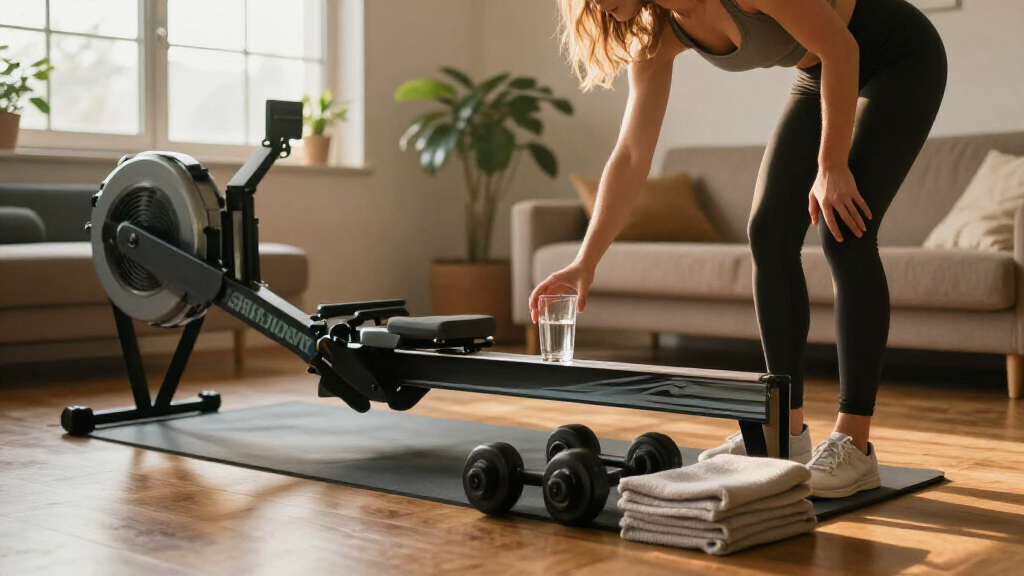
Home gyms remain part of the residential design brief, according to interior designers interviewed by Livingetc, even as workouts increasingly double as social activities outside the home. The designers describe a shift away from spare rooms defined mainly by fitness equipment toward planned wellness spaces that fit a home’s architecture and may include areas for recovery as well as exercise.
Livingetc asked designers how homes might accommodate fitness in 2027, against a backdrop of run clubs, group Pilates and sauna sessions that can serve as ways to socialize. The report’s central finding, based on interviews rather than market research, is that the home gym has not disappeared from clients’ plans. Instead, designers say its purpose and presentation have changed.
Sydney-based interior designer Nina Maya said home gyms remain important in luxury residential projects and that interest in more extensive wellness spaces has grown. She said fitness areas are increasingly considered early in architectural planning, with attention to their position, views and connection to other rooms. In one project, Pavilion House in Avalon, the gym looks toward a pool and garden through large windows.
British designer Rebecca Hughes also said she continues to see demand. She described a move from purely functional rooms to spaces treated as part of a home’s overall design and lifestyle. Gabriele Zanni, co-founder of Alama Studio, said clients want a dedicated fitness area to feel like part of the home rather than a room simply filled with a treadmill, bench and weights.
Designing Fitness Into Daily Life
The shift described by the designers matters to homeowners because it changes the questions involved in planning a gym. Rather than treating exercise equipment as a later purchase, the approach they describe connects the space to light, outlook, storage and circulation—and to how residents use the rest of the house. For homes with room and budget, that can mean planning for exercise and recovery together.
The report also complicates the idea that social fitness makes home exercise obsolete. Group workouts may offer company and a change of setting, while a home space can offer privacy and convenience. The designers’ comments suggest those uses can coexist; they do not show that one is replacing the other across the housing market.
There may also be a cost and space trade-off for residents considering a home setup instead of classes or a gym membership. Livingetc does not compare those costs, quantify demand, or establish whether a dedicated gym affects property values. Its account is focused on design professionals’ observations, especially in higher-end residential work.
Products Worth Considering

Levoit Vital 100S-P Air Purifier for Home and Pets

LEVOIT Air Purifier for Home, Pets, Bedroom, Smart WiFi

Bose TV Speaker (2nd Gen) Compact Soundbar
As an affiliate, we earn on qualifying purchases.
From Equipment Room to Wellness Space
The report frames its question around the growth of social exercise, citing run clubs, Strava activity, group Pilates and sauna gatherings as examples of fitness becoming part of social life. It asks whether that change reduces the appeal of setting aside space at home. The designers’ answer is that home gyms remain in demand, but are being conceived differently.
Examples in the report show that difference in practice. Maya describes a gym oriented toward a garden and pool, while a project by Hughes pairs a bespoke gym with a historic home’s timber beams. Hughes characterized that project as combining contemporary wellness with the building’s heritage. These are individual design examples, not evidence of a standard approach in all homes.
The article also points to equipment finishes and storage as part of the design conversation. Zanni says fitness spaces are increasingly planned alongside architecture and interiors, while Maya describes gyms connected to amenities such as saunas, steam rooms or cold plunges, as well as areas for stretching and quieter activities.
“What was once often a purely functional space is now being considered an integral part of the home’s overall design and lifestyle offering.”
— Rebecca Hughes, founder of Rebecca Hughes Interiors, speaking to Livingetc
How Broad Is the Demand?
Livingetc’s report does not include sales figures, homeowner surveys, project counts or other data that would measure demand. The designers’ comments reflect professional experience and, in Maya’s case, specifically address luxury housing. It is not clear whether the same shift is occurring in smaller homes or across the wider housing market.
The report also offers a forecast-oriented discussion of what home gyms may look like in 2027, not a measured prediction with supporting market data. It does not establish how many people are choosing group fitness over home workouts, whether home gym plans are increasing, or how often homeowners combine exercise rooms with recovery amenities.
What 2027 Plans May Reveal
The report sets out designers’ expectations for home gyms in 2027 but does not announce a new product, policy or industry initiative. The next evidence of the trend would come from future residential projects and independent market data showing whether homeowners are building dedicated fitness areas, adding recovery facilities or adapting rooms for multiple uses.
For now, the clearest takeaway is the designers’ view: home gyms remain in the plans they see, but are being treated less as equipment storage and more as part of a home’s overall design. Whether that approach extends beyond higher-end projects remains unconfirmed.
Key Questions
Are home gyms still in demand?
The designers interviewed by Livingetc say yes, particularly in luxury residential projects. The report does not provide data to measure demand across the broader housing market.
How are home gyms changing?
Designers describe a move from functional rooms centered on exercise equipment toward spaces planned as part of the home’s architecture and interior design, with more attention to natural light, views, storage and atmosphere.
Are home gyms becoming wellness rooms?
Some projects combine gym areas with features such as stretching space, saunas, steam rooms or cold plunges, according to designer Nina Maya. The report presents these as design examples, not a universal format.
Does social fitness mean people are giving up home gyms?
The report does not establish that. It notes the popularity of social activities such as run clubs and group classes, while the designers say home gyms remain part of residential plans. How those choices compare across households is unknown.
Source: livingetc.com