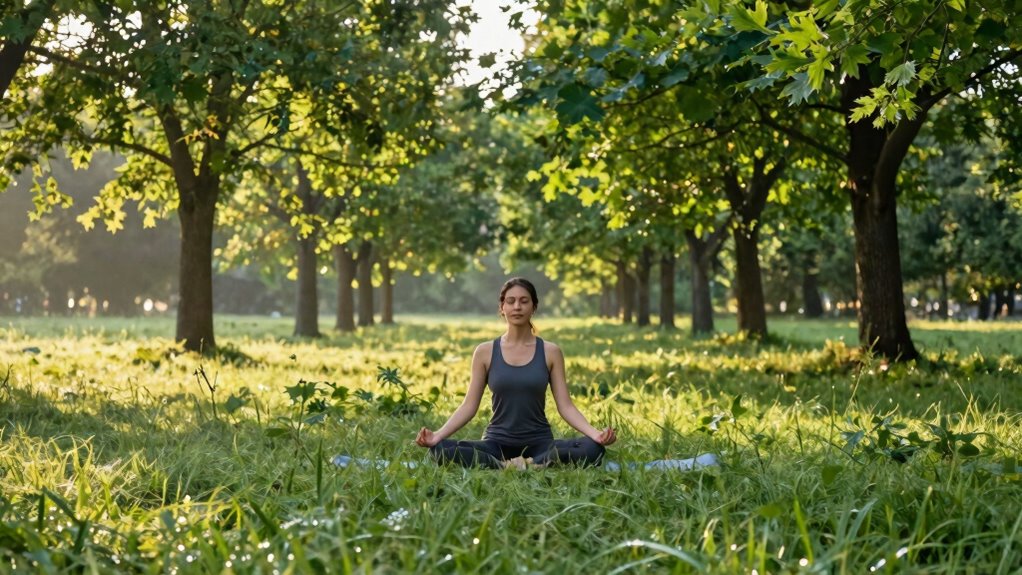

The most sustainable exercise habit is usually the simplest because it’s easier to stick with consistently over time. When routines are straightforward and enjoyable, they become a natural part of your daily life, reducing stress and burnout. Small, manageable activities like walking or stretching require less motivation and planning, making it more likely you’ll maintain them long-term. By focusing on simplicity, you set yourself up for lasting success; if you want to learn more, keep going.

Get home appliances delivered free with Prime
- Fast, free delivery on millions of items
- Prime Video, Amazon Music and more included
- Member-only deals all year
Key Takeaways
- Simple routines are easier to maintain consistently over time, reducing mental barriers and preventing burnout.
- Incorporating enjoyable, low-effort activities promotes long-term adherence without feeling burdensome.
- Consistent, manageable habits build confidence and momentum, making exercise a natural part of daily life.
- Community support and accountability enhance motivation and make sticking to simple routines more enjoyable.
- Prioritizing accessibility and aligning activities with personal preferences increases the likelihood of sustained exercise habits.

Building a sustainable exercise habit is essential for long-term health and well-being, but it can be challenging to stick with routines that feel burdensome or unsatisfying. That’s why choosing the simplest approach often proves most effective. When your workouts are straightforward and manageable, you’re more likely to stay consistent. The most sustainable exercise habit usually isn’t complex or intense; it’s the one you can easily integrate into your daily life without feeling overwhelmed. This simplicity reduces mental barriers and makes it easier to show up day after day.
Motivational strategies play a crucial role in maintaining this simplicity. Rather than relying solely on motivation that can fluctuate, focus on creating habits that don’t depend heavily on how you’re feeling at the moment. Small wins, like a quick 10-minute walk or a gentle stretch, can boost your confidence and reinforce your commitment. Over time, these small, manageable activities build momentum and help you develop a routine that feels natural rather than burdensome. Tracking your progress or setting simple goals can also enhance your motivation without complicating your schedule.
Community support is another powerful element that makes sticking with a simple exercise habit easier. When you connect with others who share your goals, it creates accountability and a sense of belonging. Whether it’s a walking group, an online forum, or a workout buddy, community support keeps you motivated and committed. Sharing your successes and challenges with others provides encouragement and makes exercise feel less like a chore and more like a shared experience. Plus, participating in group activities can turn exercise into a social event, which increases enjoyment and adherence. Recognizing the importance of biodiversity in our environment can also serve as a reminder of the interconnectedness of natural systems and our health.
The key is to choose activities that align with your lifestyle and preferences. If you dislike running, don’t force yourself to run; instead, opt for activities you genuinely enjoy, like dancing, cycling, or even gardening. Simplicity also means scheduling your workouts at consistent, convenient times so they become a natural part of your day. Overcomplicating your routine with elaborate plans or trying to do too much at once often leads to burnout or dropout. Instead, focus on creating a habit that’s easy to maintain and supported by motivational strategies and community connections. Incorporating natural elements into your routine, such as outdoor walks, can enhance your connection to the environment and boost your mental well-being.
In addition, understanding the importance of biodiversity in our environment can remind us of the value of sustaining natural systems that support our well-being. In the end, the most sustainable exercise habit is one that feels accessible, enjoyable, and integrated into your life. When you keep things simple, leverage motivational strategies, and seek community support, you set yourself up for long-lasting success. The goal isn’t perfection but consistency, and that’s achievable when you prioritize simplicity.
Products Worth Considering

Dyson V8 Cyclone Cordless Vacuum

Bose TV Speaker Compact Soundbar with Bluetooth and HDMI-ARC, Black

Ring Outdoor Cam 4K Plus Battery Security Camera, 3-Pack, White
As an affiliate, we earn on qualifying purchases.
Frequently Asked Questions
How Do I Start Exercising if I’M Very Busy?
To start exercising when you’re very busy, focus on efficient time management and simple workout planning. Schedule short sessions during breaks or between errands, and keep workouts straightforward—like brisk walks or bodyweight exercises. Prioritize consistency over duration, making it easier to stick with your routine. By planning ahead and carving out small pockets of time, you’ll gradually build a sustainable exercise habit that fits into your busy life.
What Are Low-Cost Ways to Stay Active Regularly?
You can stay active regularly through low-cost options like home workouts and outdoor activities. Use your body weight for exercises like push-ups, squats, or planks at home—no equipment needed. Take advantage of outdoor parks for brisk walks, runs, or cycling, which are free and invigorating. Incorporate these activities into your daily routine, making it easier to stay consistent without spending much money.
Can I Combine Different Simple Exercises for Better Results?
Think of your workout as a vibrant mosaic; combining different simple exercises creates a richer, more compelling picture. Yes, mixing activities boosts exercise variety, keeping your routine fresh and engaging. It also enhances routine consistency by preventing boredom. By weaving in different movements, you challenge your body in new ways, strengthening various muscle groups and improving overall fitness. So, go ahead—blend your exercises to keep your journey lively and sustainable.
How Do I Stay Motivated to Keep a Consistent Routine?
To stay motivated and maintain routine consistency, set clear, achievable goals that excite you. Use motivation strategies like tracking progress, rewarding milestones, and finding enjoyment in your exercises. Keep a regular schedule and make it part of your daily habits. Visualize your success, remind yourself of your purpose, and stay flexible when needed. These steps help you stay committed and make exercise a natural, sustainable part of your life.
What Are Common Mistakes Beginners Make With Simple Exercises?
As a beginner, you might overlook proper form or rush into exercises without gradual progression. This can lead to injury or burnout. Focus on learning correct techniques first, even if it means starting with simpler movements. Always prioritize proper form, and increase intensity gradually. This approach helps you build strength safely and keeps you motivated to stick with your routine long-term. Remember, patience and consistency are key.
Conclusion
By sticking to simple, manageable exercises, you’re more likely to maintain your routine long-term. Research shows that people who incorporate small, sustainable habits are 40% more likely to keep exercising over time. Remember, consistency beats intensity when it comes to building a lasting habit. So, choose what feels doable and enjoyable—your future self will thank you for making exercise a regular part of your life. Keep it simple, stay committed, and enjoy the journey.