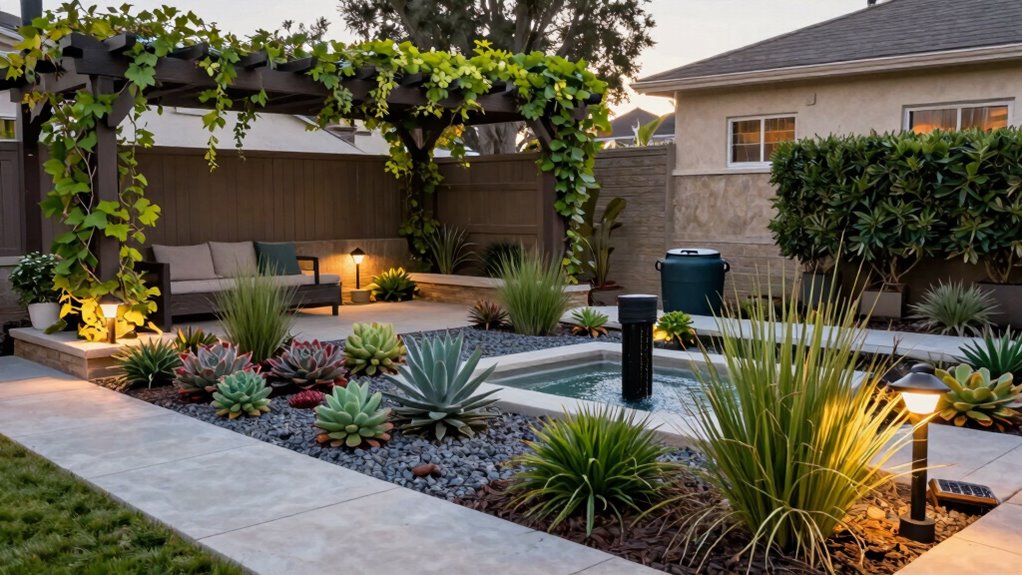
To make your outdoor space more climate-resilient, focus on using sustainable, weather-resistant materials like recycled wood, permeable paving, and composites that withstand extreme weather. Incorporate climate-adaptive features such as rain gardens, water harvesting, and natural barriers like trees to manage stormwater and protect against storms. Choose native plants for biodiversity and resilience, and design with shading, windbreaks, and cooling features. Keep exploring to discover more strategies that will help your outdoor space thrive amid changing climates.

Get home appliances delivered free — and shop member deals
- Fast, free delivery on millions of items
- Access to Prime Big Deal Days deals on October 6–7
- Prime Video, Amazon Music and more included
Key Takeaways
- Use sustainable, weather-resistant materials like reclaimed wood and composites to prolong outdoor feature lifespan.
- Incorporate permeable surfaces and rain gardens to enhance stormwater management and reduce flooding risks.
- Select native, diverse plant species to support biodiversity and provide continuous ecological benefits.
- Implement shading, windbreaks, and natural barriers to protect against heat and storm damage.
- Design with adaptive features that optimize resilience, such as water harvesting systems and climate-responsive layouts.
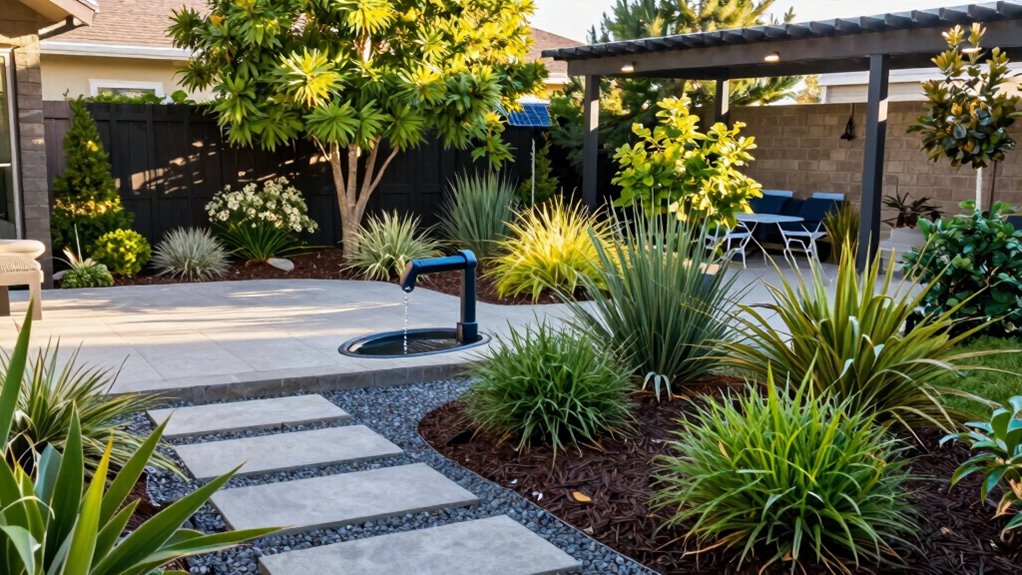
As climate change accelerates, designing outdoor spaces that can withstand extreme weather and shifting environmental conditions becomes increasingly essential. One of the most effective ways to do this is by choosing sustainable materials. These materials are not only environmentally friendly, but they also tend to be more durable and better suited to handle the stresses caused by climate fluctuations. For example, using recycled or reclaimed wood, permeable paving, and weather-resistant composites reduces the environmental impact of your project while guaranteeing longevity. Sustainable materials often require less maintenance and resist damage from heavy rain, wind, and intense sunlight, making them a smart investment in climate resilience. Incorporating climate-adaptive features such as rain gardens and water harvesting systems further enhances resilience by effectively managing stormwater runoff. Use permeable surfaces that allow water to seep into the ground, reducing flooding and erosion risks. When selecting plants, choose a diverse mix of native species that bloom at different times to ensure consistent ground cover and habitat for local wildlife. Mulching around plants also helps retain moisture and insulate roots during temperature extremes. Additionally, selecting materials that are climate-resilient can significantly extend the lifespan of your outdoor features. Incorporating sustainable design principles can further optimize the resilience and ecological benefits of your outdoor space. Furthermore, consider strategic shading and windbreaks to protect your outdoor space from harsh sun and strong winds. Trees and shrubs can serve as natural barriers, reducing wind speed and preventing damage during storms. These features contribute to a cooler environment, decreasing the urban heat island effect and improving comfort.
Frequently Asked Questions
How Can I Incorporate Native Plants for Resilience?
You can incorporate native flora by selecting drought-tolerant species suited to your region, which naturally withstand dry conditions and reduce water usage. Plant these native plants in your outdoor space to boost resilience against climate stressors. Native flora supports local ecosystems, requiring less maintenance and water, making your outdoor space more sustainable and resilient. Focus on creating a diverse mix of native species to enhance adaptability and long-term durability.
What Are Cost-Effective Ways to Improve Outdoor Climate Resilience?
Imagine catching rain as it falls, turning your outdoor space into a resilient oasis. You can do this cost-effectively by installing rainwater harvesting systems that save water during dry spells. Planting native shrubs or trees as windbreak barriers reduces wind damage and conserves energy. These simple, affordable measures boost resilience, protect your landscape from climate shocks, and create a sustainable, thriving outdoor environment that adapts to changing weather conditions.
How Does Soil Quality Affect Outdoor Space Resilience?
Soil quality directly impacts your outdoor space’s resilience by affecting plant health and water retention. You should start with soil testing to identify deficiencies and pH levels. Use organic amendments like compost or mulch to improve soil structure, boost nutrients, and increase moisture retention. Healthy soil produces stronger plants that can better withstand extreme weather, reducing damage and maintenance needs. Prioritizing soil quality is essential for a resilient, thriving outdoor space.
Can DIY Projects Enhance Outdoor Climate Resilience?
Like a shield protecting a castle, DIY projects can boost your outdoor space’s climate resilience. You can build rainwater harvesting systems to conserve water during dry spells, and plant windbreak barriers to reduce wind damage and soil erosion. These simple, hands-on efforts make your space more adaptable to weather extremes, helping it withstand climate challenges while giving you a sense of accomplishment and a more sustainable outdoor environment.
What Maintenance Practices Extend Outdoor Space Longevity?
You should regularly inspect your outdoor space, perform water conservation by watering early mornings, and install drought-tolerant plants to reduce water use. Keep pests in check with integrated pest management, which minimizes chemical use and promotes healthy plant growth. Regularly clean, prune, and mulch your landscape to prevent disease, conserve moisture, and extend the lifespan of your outdoor space. Consistent maintenance helps it withstand climate challenges and stay vibrant longer.
Conclusion
By implementing these climate-resilient strategies, you can turn your outdoor space into a sturdy refuge against unpredictable weather. Think of your garden thriving despite heavy rains or scorching heat, with drought-tolerant plants and smart drainage. It might seem like extra effort now, but imagine enjoying a lush, vibrant yard year-round, no matter the climate. With just a bit of planning, your outdoor space can become a resilient oasis you’re proud of, rain or shine.
Fall Picks
fall essentials
As an affiliate, we earn on qualifying purchases.