By mastering food preservation, you can reduce waste and support a more sustainable food system. Techniques like freezing, canning, and drying extend food’s shelf life, helping you waste less and cut down on environmental impacts like methane emissions and transportation pollution. It also boosts self-sufficiency and encourages local, seasonal eating. As you explore more, you’ll discover how these skills empower you to live more consciously and positively influence the planet’s health.

Get home appliances delivered free — and shop member deals
- Fast, free delivery on millions of items
- Access to Prime Big Deal Days deals on October 6–7
- Prime Video, Amazon Music and more included
Key Takeaways
- Food preservation reduces waste and methane emissions from spoiled food in landfills.
- It supports seasonal eating, decreasing reliance on environmentally costly out-of-season produce.
- Preserving food enhances control over consumption, lowering dependence on store products and supply chains.
- It decreases transportation and packaging impacts, fostering a more sustainable, local food system.
- Practicing preservation promotes resource efficiency and mindful consumption, contributing to environmental resilience.
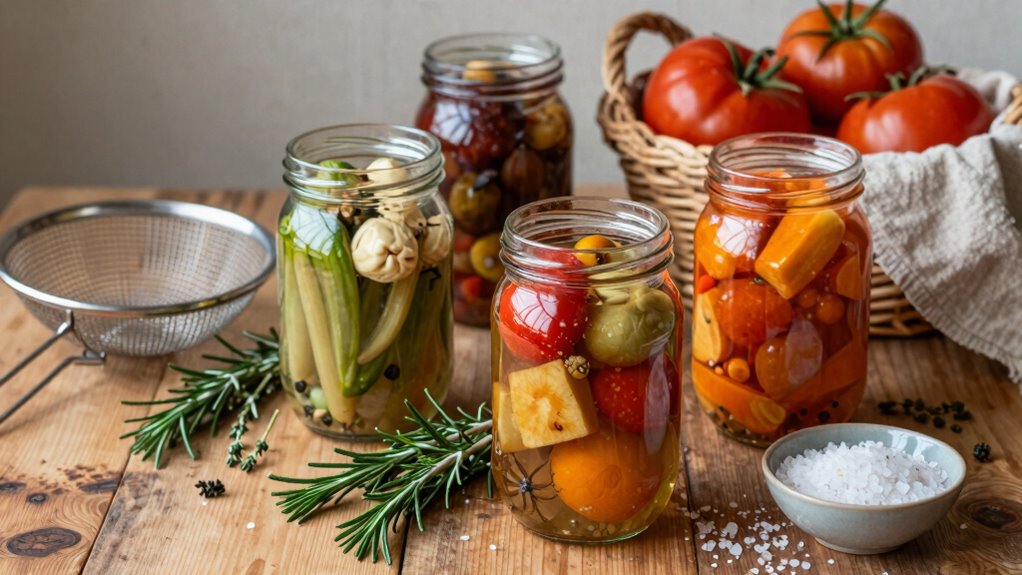
Food preservation plays an essential role in promoting sustainability by reducing waste and extending the shelf life of perishable items. When you preserve food effectively, you prevent it from spoiling prematurely, which means less food ends up in landfills. This directly contributes to food waste reduction, a key step toward a more sustainable food system. Instead of discarding excess produce or leftovers, you learn techniques like freezing, canning, or drying to keep food safe and edible longer. These practices help you make the most of your groceries, reducing unnecessary purchases and minimizing waste. As a result, you’re not only saving money but also supporting environmental health by decreasing the methane emissions associated with decomposing food in landfills.
Another important aspect of food preservation that promotes sustainability is seasonal eating. When you preserve fruits and vegetables during their peak harvest times, you can enjoy their freshness and flavors all year round. This reduces your dependence on out-of-season produce that often travels long distances, contributing to a larger carbon footprint. By saving the bounty of each season through methods like canning or freezing, you align your diet with natural cycles. This practice encourages you to consume local and seasonal foods, which are typically more sustainable and less resource-intensive than imported options. Seasonal eating also fosters a deeper connection to the land and helps you appreciate the natural rhythms that govern food production.
Learning to preserve food empowers you to take control of your food choices and waste habits. Instead of relying on store-bought, packaged products that may have traveled thousands of miles, you create your own supply of preserved foods. This shift not only reduces your environmental impact but also promotes a more resilient food system. When you invest time in preserving, you become less vulnerable to supply chain disruptions and price fluctuations. Plus, it inspires you to plan meals more thoughtfully, reducing impulse buys and excess. Additionally, understanding biodiversity and the importance of local varieties can enhance the nutritional and environmental benefits of your preserved foods. Incorporating local varieties can also support local farmers and promote agricultural diversity, further strengthening the sustainability of your food choices. Developing skills in food preservation also increases your awareness of food systems and how different practices impact the environment.
In essence, food preservation is more than just a kitchen skill; it’s an essential tool for sustainability. It encourages food waste reduction, supports seasonal eating, and promotes local, fresh produce. By adopting these practices, you actively contribute to a healthier planet while enjoying the benefits of fresher, more flavorful foods. Whether it’s through freezing berries, pickling vegetables, or drying herbs, each preserved item is a step toward a more sustainable and mindful way of living.
Frequently Asked Questions
How Does Food Preservation Reduce Global Food Waste?
Food preservation reduces global food waste by extending the shelf life of perishable items through preservation techniques like freezing, canning, and drying. When you use these methods, you prevent food from spoiling quickly and getting thrown away. This means less waste in landfills and fewer resources wasted in food production. By mastering preservation techniques, you actively contribute to food waste reduction, making your efforts part of a sustainable solution for the planet.
Can Traditional Preservation Methods Be Environmentally Friendly?
Yes, traditional preservation methods can be environmentally friendly. Natural techniques like fermentation, drying, and pickling use minimal energy and avoid harmful chemicals. Cultural practices passed down through generations often rely on sustainable, resource-efficient methods that preserve food while respecting nature. By embracing these age-old techniques, you reduce reliance on energy-intensive processes and synthetic preservatives, making your food choices more eco-friendly and aligned with sustainable living.
What Is the Carbon Footprint Difference Between Preserved and Fresh Foods?
Preserved foods generally have a lower carbon footprint compared to fresh foods because preservation techniques like freezing, canning, or drying reduce spoilage and waste, which cuts down on carbon emissions from food production and transportation. Fresh foods often require frequent transport and refrigeration, increasing their emissions. By choosing preservation methods, you help decrease your overall environmental impact, making your food choices more sustainable and eco-friendly.
How Does Preserving Food Impact Local Food Economies?
Like a gardener nurturing their plot, preserving food strengthens local food economies by boosting food sovereignty and cultural preservation. When you preserve seasonal harvests, you reduce reliance on distant suppliers, keeping money within your community. This practice supports local farmers, sustains traditions, and encourages sustainable practices. Your efforts help build resilient food systems, ensuring that local flavors and knowledge thrive, much like treasured heirlooms passed down through generations.
Are Preserved Foods Safer and Healthier Than Fresh Options?
Preserved foods can be just as safe and healthy as fresh options if you follow proper techniques. They maintain nutritional stability, locking in essential vitamins and minerals, and are often safer due to microbial safety measures like pasteurization or canning. However, improper preservation can lead to contamination or nutrient loss. Always guarantee correct methods and storage to enjoy the health benefits while minimizing risks.
Conclusion
Think of food preservation as the anchor of sustainability—a steadfast tool that keeps our resources steady and our planet healthy. When you master this skill, you’re not just saving food; you’re safeguarding future generations from waste and scarcity. Every jar you fill, every freeze you make, is a brick in the foundation of a more resilient world. Embrace food preservation, and become an essential part of the sustainability voyage.
Fall yard work Picks
leaf blowers
As an affiliate, we earn on qualifying purchases.