
If you’re delaying choosing between reverse osmosis, under-sink, or countertop filters, you might be risking exposure to contaminants or settling for subpar taste. Reverse osmosis offers thorough purification but takes space and needs maintenance. Under-sink models are customizable and fit neatly under your cabinet, while countertop filters are easy to set up and portable. By understanding how each system works, you’ll know which one suits your water quality and lifestyle best—keep going to explore more options.
Get ready for Prime Big Deal Days — try Prime free
Exclusive member deals on October 6–7, plus fast free delivery. Cancel anytime.
As an affiliate, we earn on qualifying purchases.
Key Takeaways
- Understanding water quality helps determine whether reverse osmosis, under-sink, or countertop filters best address specific contaminants.
- Installation complexity and space constraints influence the choice between simple countertop, under-sink, or more involved reverse osmosis systems.
- Maintenance needs vary; under-sink and reverse osmosis systems typically require more upkeep than countertop filters.
- Correctly matching filter technology to water issues improves safety, taste, and long-term cost savings.
- Delaying the decision can lead to continued exposure to harmful contaminants and subpar water quality.

Are you overwhelmed by the variety of water filters available today? It’s common to feel unsure about which option suits your needs best, especially with so many choices like reverse osmosis, under-sink, and countertop systems. Deciding can feel intimidating, but understanding some key differences can help you make a confident decision. One of the first things to evaluate is filtration technology. Reverse osmosis systems are highly effective at removing contaminants, including lead, pesticides, and bacteria, thanks to their multi-stage filtration process. Under-sink filters, on the other hand, often use activated carbon to improve water taste and reduce chlorine and sediment, though some models incorporate additional stages for better purification. Countertop filters tend to be simpler and more portable, typically utilizing carbon filters that target common impurities. Knowing what each filtration technology removes helps you match your choice to your water quality concerns. Additionally, consider the water quality in your area, which can influence the level of filtration needed for safe drinking water. A suitable filter should also address your specific contaminants to ensure optimal safety and taste.
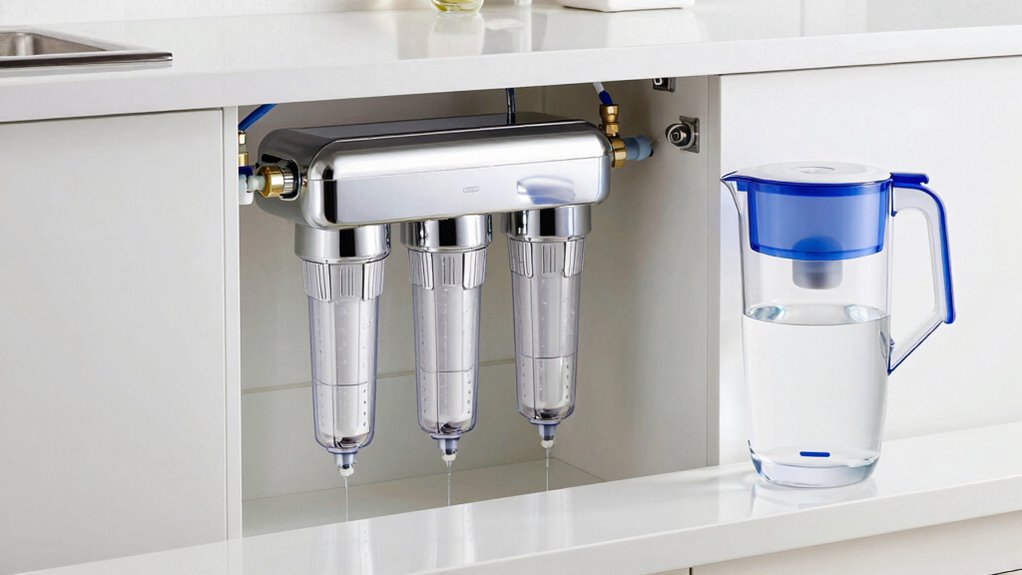
Another critical factor to examine is installation considerations. Some systems, like under-sink filters, require a bit more effort to install because they connect directly to your plumbing under the kitchen sink. This process might involve shutting off the water supply, drilling into cabinets, or attaching fittings, which can be intimidating if you’re not handy. Proper installation ensures the system functions correctly and prevents leaks. Conversely, countertop filters are usually straightforward to set up—just place them on your counter and connect to the faucet, making them ideal if you prefer a no-fuss solution or rent your home. Reverse osmosis units tend to be more complex; they often need dedicated space under the sink, a drain line connection, and a faucet installation. Considering your comfort level with DIY tasks and your available space will help you choose a system that fits seamlessly into your home. It’s also wise to consider system maintenance requirements to keep your filter functioning effectively over time.
Delaying your decision can lead to continued consumption of tap water that might contain harmful contaminants or taste unpleasant. The right water filter not only improves your water quality but can also save you money in the long run, especially if you’re currently buying bottled water. Being aware of the filtration technology used in each system can help you select the most effective solution for your specific water concerns. By weighing the filtration technology and installation considerations, you’ll find a system that aligns with your needs and lifestyle. Don’t wait too long to make this choice—your health and convenience depend on it. Once you understand the differences and your specific requirements, choosing between reverse osmosis, under-sink, or countertop filters becomes much clearer. The effort you put into selecting the right filter now will pay off with cleaner, better-tasting water every day.
reverse osmosis water filter system
As an affiliate, we earn on qualifying purchases.
As an affiliate, we earn on qualifying purchases.
Frequently Asked Questions
How Often Should I Replace the Reverse Osmosis Membrane?
You should replace the reverse osmosis membrane every 2 to 3 years, depending on your water quality and usage. Pay attention to your membrane lifespan and follow the recommended replacement schedule provided by your system’s manufacturer. If you notice a decrease in water flow or taste issues, it’s a good sign that it’s time for a replacement. Regular maintenance guarantees maximum filtration and keeps your water clean.
Can Under-Sink Filters Remove All Types of Contaminants?
Under-sink filters can’t conquer the complete contaminant spectrum; their capabilities depend on filter limitations. While they effectively remove many common pollutants, they might fall short against viruses, certain chemicals, or dissolved salts. You need to carefully check each filter’s specifications and certifications, ensuring it targets your specific concerns. Remember, no filter is perfect—knowing its limitations helps you choose the right solution for your water’s unique needs.
Are Countertop Filters Suitable for Well Water?
Yes, countertop filters can be suitable for well water, but you need to choose the right filtration options. Well water often contains contaminants like bacteria, sediment, and minerals, so pick a countertop filter with multi-stage filtration that targets these specific issues. Regular maintenance is essential to keep your water safe. Always test your well water first, so you select the most effective filtration system for your needs.
What Maintenance Is Required for Under-Sink Water Filters?
Think of under-sink water filters as your home’s silent guardians. They require regular cartridge replacements, typically every 6-12 months, depending on usage and water quality. Installation challenges can arise if you’re unfamiliar with plumbing, and cost considerations include replacement parts and periodic filter changes. Staying on top of maintenance guarantees your filter functions efficiently, providing clean water, while avoiding costly repairs or replacements down the line.
Do Water Filters Affect Water Flow Rate Significantly?
Water filters can affect your flow rate, especially as the filter capacity diminishes over time. You might notice a slower flow as the filter gets clogged or reaches its capacity, meaning you’ll need to replace it more often for peak performance. Regular maintenance helps maintain a steady flow rate, ensuring you get clean water without significant delays. Keep an eye on filter lifespan to prevent noticeable reductions in flow.
Conclusion
Choosing the right water filter can seem overwhelming, but postponing can mean drinking contaminated water longer than necessary. Did you know over 85% of Americans rely on some form of home filtration? Don’t wait until contaminants become a health risk—whether you opt for under-sink or countertop, act now for cleaner, healthier water. Making a quick decision today ensures you won’t regret it tomorrow. Your health deserves prompt attention—so, choose your filter and enjoy peace of mind!
NFL season / tailgating Picks
team gear
As an affiliate, we earn on qualifying purchases.