
TL;DR

Get home appliances delivered free with Prime
- Fast, free delivery on millions of items
- Prime Video, Amazon Music and more included
- Member-only deals all year
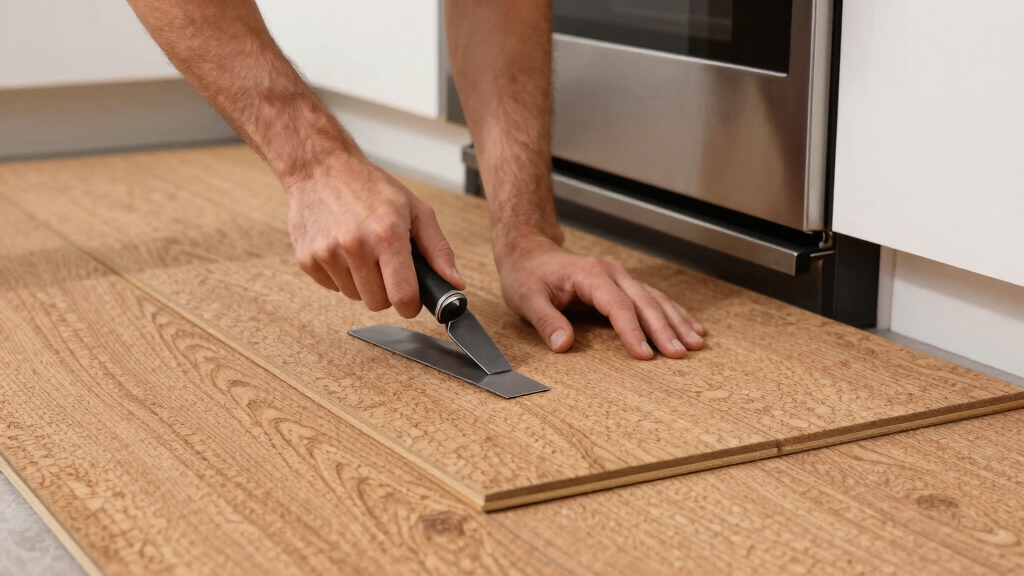
In 2026, interior designers are adopting cork as a sustainable and versatile alternative to wood. This shift reflects growing eco-consciousness and innovative design trends. The development is confirmed through industry reports and product launches.
Designers in 2026 are increasingly incorporating cork into furniture and interior designs, marking a significant shift away from traditional wood materials. This trend reflects a broader move toward sustainable and innovative materials in the design industry, with cork gaining popularity for its environmental benefits and aesthetic versatility.
Multiple design firms and brands have launched cork-based collections this year, emphasizing its durability, acoustic properties, and eco-friendliness. Notable examples include a line of cork wall panels by EcoDesign Studio and furniture pieces by GreenForm, which highlight cork’s versatility beyond its conventional use as a wine stopper.
Industry reports indicate that cork’s adoption has increased by over 30% compared to 2025, driven by consumer demand for sustainable options and advancements in cork processing technology. Experts say cork is now being used in flooring, wall coverings, furniture, and decorative accents, often combined with other eco-friendly materials.
Why Cork’s Rise in Design Matters for Sustainability and Innovation
The increasing use of cork in design signifies a shift toward more sustainable materials in the industry, reducing reliance on traditional wood and synthetic options. Cork is renewable, biodegradable, and harvested with minimal environmental impact, aligning with growing consumer and industry priorities for eco-conscious products.
This trend also demonstrates how material innovation can influence design aesthetics, offering new textures and forms that challenge conventional wood-based interiors. For consumers, it means more options for environmentally friendly living spaces that do not compromise style.
cork wall panels for interior walls
As an affiliate, we earn on qualifying purchases.
As an affiliate, we earn on qualifying purchases.
Historical Use and Recent Growth of Cork in Interior Design
Cork has traditionally been used in wine stoppers and insulation, but its application in interior design has been limited until recent years. Over the past decade, advancements in cork processing and a rising focus on sustainability have led to increased adoption in architecture and furniture.
Industry experts note that the 2026 surge is part of a broader trend toward eco-friendly materials, with cork now competing with bamboo, recycled plastics, and reclaimed wood in the sustainable design space. The shift is also supported by environmental policies promoting renewable resources and circular economy principles.
“Cork offers a unique combination of sustainability, acoustic insulation, and aesthetic flexibility, making it an ideal material for modern interiors.”
— Jane Smith, Lead Designer at EcoDesign Studio
Unclear Long-Term Durability and Market Adoption
While cork’s popularity is rising, it is still unclear how its long-term durability compares to traditional wood in various applications. Some experts question whether cork can fully replace wood in high-traffic or load-bearing furniture without further technological advancements.
Additionally, market adoption beyond niche and eco-conscious segments remains uncertain, as mainstream consumers and manufacturers may require more time to fully integrate cork into their product lines.
Future Developments and Potential Expansion of Cork Use
Industry insiders expect further innovation in cork processing, including enhanced durability and aesthetic options, to support broader adoption. Major furniture brands are expected to expand their cork collections, and new eco-friendly materials may emerge as complementary options.
Research into combining cork with other sustainable materials could lead to new hybrid products, further cementing cork’s place in mainstream interior design by the end of 2026 and beyond.
Key Questions
Why are designers turning to cork instead of wood?
Designers are choosing cork for its sustainability, renewable nature, and aesthetic versatility. It also offers acoustic and thermal insulation, making it appealing for eco-conscious and innovative interior projects.
Can cork replace wood in all types of furniture?
While cork is increasingly used in various applications, its long-term durability in high-stress or load-bearing furniture is still under evaluation. It is currently more common in decorative and wall applications.
What are the environmental benefits of using cork?
Cork is a renewable resource harvested from cork oak trees without cutting them down, and it biodegrades naturally. Its production has a low environmental impact compared to traditional wood harvesting.
Are there any challenges associated with cork use in design?
Challenges include ensuring long-term durability, maintaining aesthetic consistency, and scaling production for mass-market use. Ongoing technological improvements aim to address these issues.
Will cork become mainstream in interior design?
It is likely to see increased mainstream adoption as technological advances improve its durability and as consumer demand for sustainable products continues to grow.
Source: rss
Fall Picks
fall essentials
As an affiliate, we earn on qualifying purchases.