When hiking on Italian trails, follow Leave No Trace principles to protect the environment. Stay on designated paths, dispose of waste properly, and avoid disturbing wildlife. Use eco-friendly gear and respect trail signs to minimize your impact. Keep noise levels low and give animals space. By practicing these mindful habits, you help preserve Italy’s stunning landscapes and rich biodiversity. Want to discover more ways to hike responsibly and make a positive difference? Keep exploring for helpful tips.

Get home appliances delivered free — and shop member deals
- Fast, free delivery on millions of items
- Access to Prime Big Deal Days deals on October 6–7
- Prime Video, Amazon Music and more included
Key Takeaways
- Stay on designated trails to prevent erosion and protect native plants and habitats.
- Carry out all trash and dispose of waste properly to maintain trail cleanliness and natural beauty.
- Observe wildlife from a distance without feeding or disturbing animals or their nests.
- Minimize noise and avoid damaging vegetation or terrain during your hike.
- Use eco-friendly gear and products to reduce environmental impact and support conservation efforts.
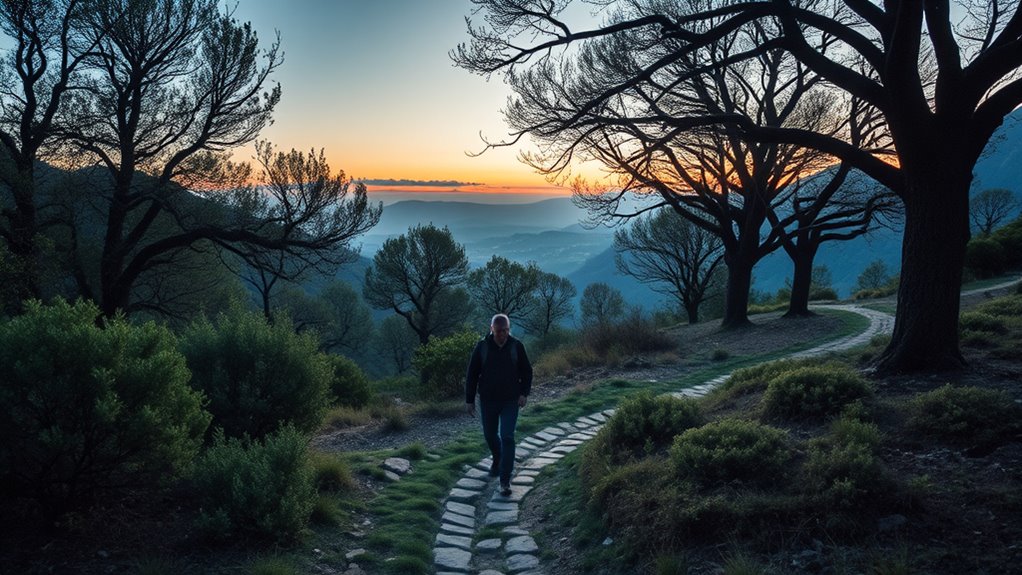
Hiking offers a rewarding way to connect with nature, but it also comes with the responsibility to protect the environment for future generations. When you hit the Italian trails, practicing good trail etiquette isn’t just about being courteous to fellow hikers; it’s an essential part of preserving the landscape and its delicate ecosystems. Stay on designated paths to avoid trampling plants and disturbing wildlife habitats. When passing others, keep to the right and give way politely—these simple gestures keep everyone safe and minimize environmental impact. Respect trail signs and barriers, as they guide you away from fragile areas and help prevent erosion or damage to vegetation. Carrying out all trash and disposing of waste properly shows respect for the environment and fellow hikers alike. Small actions like these help maintain the natural beauty of Italy’s trails for everyone. Utilizing environmentally friendly gear and products can further reduce your impact and support conservation efforts such as eco-friendly equipment.
Wildlife conservation should be at the forefront of your hiking experience. Italian landscapes are home to a rich array of flora and fauna that thrive in their natural habitats, but human interference can threaten their survival. Avoid approaching or feeding animals, which can disrupt their natural behaviors and make them reliant on human food. Keep a respectful distance and observe quietly—your presence should never cause stress or displacement. If you come across nests, burrows, or any signs of wildlife, steer clear and give animals space to carry on undisturbed. Remember, feeding wildlife is not only harmful to their health but also encourages dependency and can lead to conflicts with humans or other animals. Your role as a hiker extends to being a steward of these ecosystems. By minimizing noise, staying on trails, and respecting wildlife, you contribute directly to the conservation efforts that protect Italy’s unique biodiversity.
Responsible hiking means being mindful of your impact at every step. It’s about more than just following rules; it’s about fostering a mindset of respect and sustainability. Your actions, no matter how small, can make a significant difference in maintaining the pristine condition of Italy’s trails. Engage with the environment thoughtfully, respecting trail etiquette and prioritizing wildlife conservation. This way, you help ensure that future generations can also enjoy these scenic routes and the vibrant ecosystems they support. When you leave no trace, you become part of a global movement committed to preserving nature’s beauty. Hiking responsibly isn’t a burden; it’s a rewarding commitment to safeguarding the landscapes and wildlife that make Italy’s trails so extraordinary.
As an affiliate, we earn on qualifying purchases.
Frequently Asked Questions
How Can I Identify Environmentally Sensitive Areas on Italian Trails?
You can identify environmentally sensitive areas on Italian trails by paying attention to flora awareness and wildlife spotting signs. Look for areas with rare plants, delicate ecosystems, or nesting sites, often marked by signs or trail markers. If you see abundant wildlife or plants that seem protected, tread lightly. Staying on designated paths and observing these cues helps you avoid damaging fragile habitats and preserves Italy’s natural beauty for everyone to enjoy.
What Gear Is Essential for Practicing Leave No Trace in Italy?
You’ll want eco-friendly footwear and biodegradable gear to truly practice Leave No Trace in Italy. Forget flashy, wasteful gadgets—your boots should be lightweight, durable, and made from sustainable materials. Carry a reusable water bottle, biodegradable soap, and a compact trash bag. This way, you blend into the landscape, minimizing your impact, and maybe even inspiring others to follow your lead—because who doesn’t want to be the trail’s eco-hero?
Are There Specific Italian Regulations Regarding Camping in Natural Parks?
You should check park regulations before camping in Italy, as rules vary by region. Many natural parks require Italian camping permits, and camping outside designated areas is often prohibited. Always follow specific park regulations to avoid fines or damage. Respect the environment by camping only in permitted zones, minimizing impact, and practicing Leave No Trace principles. Doing so helps preserve Italy’s beautiful natural landscapes for everyone to enjoy.
How Can I Minimize Noise Pollution While Hiking in Italy?
To minimize noise pollution while hiking in Italy, you should keep your voice low and avoid loud conversations, which can disturb wildlife and contribute to trail congestion. Stay on designated paths to reduce environmental impact and be mindful of others sharing the trail. By moving quietly and respecting wildlife, you help preserve the natural serenity of Italian trails and ensure everyone can enjoy the outdoors responsibly.
What Are the Best Practices for Disposing of Waste in Remote Italian Locations?
Imagine you’re a guardian of Italy’s pristine beauty. When disposing of waste in remote locations, use eco-friendly packing to carry out everything you bring in. Avoid leaving trash behind—think of your waste as a burden you don’t want to pass on. Carry a small container for waste, and dispose of it responsibly in designated areas or proper facilities. Your mindful actions keep Italy’s landscapes breathtaking for everyone.
Conclusion
By embracing the Leave No Trace principles, you safeguard Italy’s stunning trails for future generations. Remember, “Take only pictures, leave only footprints.” Every step you take can make a difference—dispose of waste properly, stay on designated paths, and respect wildlife. Responsible hiking isn’t just about enjoying nature; it’s about preserving it. When we all do our part, we ensure these beautiful landscapes remain untouched for others to experience and cherish.
NFL season / tailgating Picks
team gear
As an affiliate, we earn on qualifying purchases.