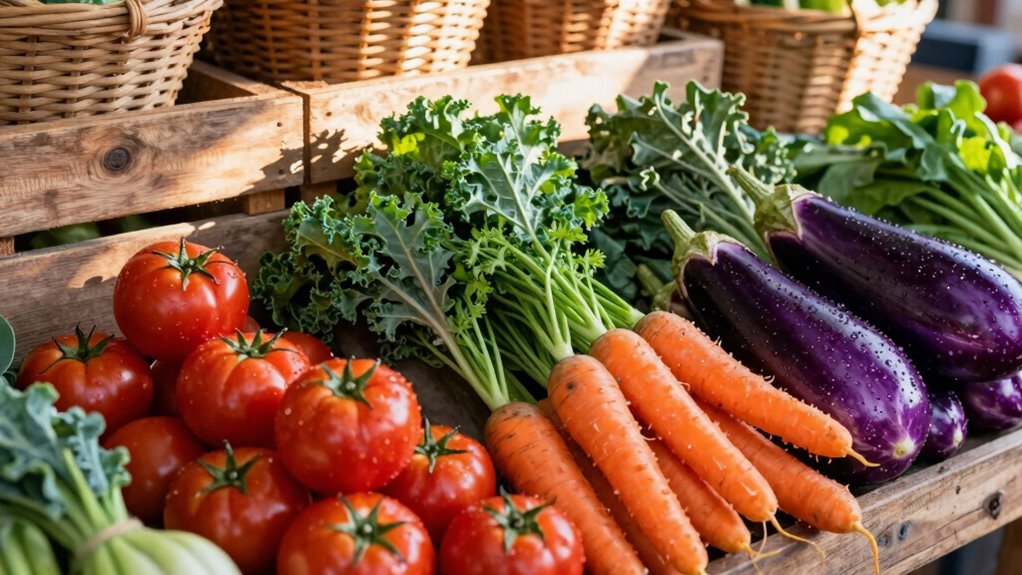

By eating seasonally, you actively cut your carbon footprint since it reduces energy use, transportation emissions, and reliance on energy-intensive greenhouses. When you choose foods grown locally and at peak ripeness, you help lower the need for refrigeration, preservatives, and long-distance shipping. Supporting sustainable farming practices and diverse crops further benefits the environment. Want to discover more simple ways your choices can make a big climate difference? Keep exploring to learn how!

Get home appliances delivered free with Prime
- Fast, free delivery on millions of items
- Prime Video, Amazon Music and more included
- Member-only deals all year
Key Takeaways
- Seasonal eating reduces energy use by avoiding energy-intensive greenhouses, refrigeration, and long-distance transportation.
- Consuming locally available foods minimizes greenhouse gas emissions associated with food shipping.
- Supporting sustainable farming practices during peak seasons lowers reliance on artificial inputs and fossil fuels.
- Harvesting foods at their natural ripeness enhances flavor and nutrition while decreasing waste and resource consumption.
- Aligning diets with natural cycles promotes biodiversity and strengthens regional food systems for climate resilience.
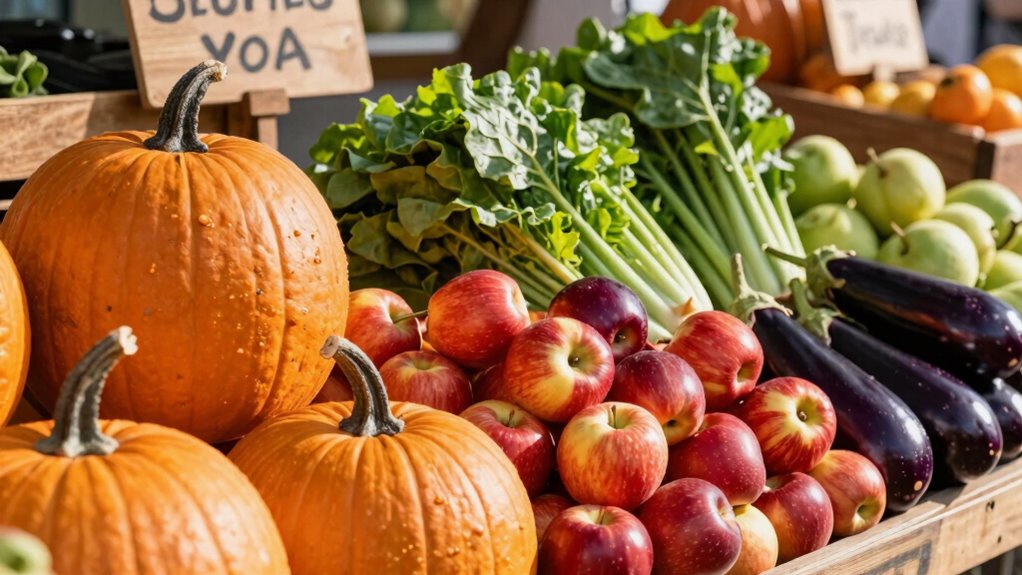
Eating seasonally isn’t just about enjoying fresh, flavorful foods; it’s also a powerful way to reduce your carbon footprint. When you choose to eat foods that are in season locally, you’re supporting farms that grow what naturally thrives in your region during that time of year. This means less energy is needed for greenhouse operations, transportation, and storage, which notably cuts down on greenhouse gases emitted into the atmosphere. By prioritizing local food, you minimize the environmental costs associated with long-distance shipping, refrigeration, and preservatives. The food you eat doesn’t have to travel hundreds or thousands of miles to reach your plate, which means fewer emissions are produced during transportation.
Seasonal eating encourages you to align your diet with the natural cycles of your environment, reducing reliance on energy-intensive methods like greenhouse farming and imported produce. Out-of-season foods often require heated greenhouses or energy-heavy imports, both of which increase greenhouse gases. When you stick to foods that are naturally available and harvested at their peak, you’re not supporting these energy-intensive practices. Instead, you’re embracing the sustainability of the local ecosystem, helping to preserve the balance and health of your environment. Additionally, renewable energy sources are increasingly being adopted by farms to power their operations, further decreasing carbon emissions associated with food production. Supporting such practices can make a significant difference in the overall environmental impact of your diet.
Choosing seasonal foods also supports local farmers, who often use more sustainable practices because they work with nature rather than against it. These farmers tend to adopt methods that require fewer inputs like artificial fertilizers, pesticides, and energy, which again lowers greenhouse gas emissions. Your decision to buy seasonal, local food sends a message that you value environmentally responsible farming, which can inspire more sustainable practices across your community. Supporting local food systems can strengthen regional economies and reduce dependency on imported products.
Furthermore, eating in sync with the seasons allows you to enjoy foods when they are most abundant and naturally ripened, which reduces waste. Foods harvested at their peak are more flavorful, nutritious, and often more affordable. Less waste means fewer resources spent on growing, harvesting, processing, and disposing of spoiled produce, all of which contribute to greenhouse gases. It’s a cycle that benefits both your health and the planet. Incorporating seasonal produce into your diet also helps to promote biodiversity by encouraging the cultivation of diverse crops suited to your local environment.
In the end, your choices about what you eat directly impact the environment. By opting for seasonal, local foods, you’re actively reducing greenhouse gases and supporting a more sustainable food system. It’s a simple yet impactful way to make a difference—one meal at a time—by aligning your eating habits with the natural rhythms of your local environment.
seasonal organic produce storage containers
As an affiliate, we earn on qualifying purchases.
As an affiliate, we earn on qualifying purchases.
Frequently Asked Questions
How Does Seasonal Eating Impact Global Food Transportation Emissions?
By eating seasonally, you reduce the need for long-distance food transportation, which lowers the supply chain’s carbon footprint. When you choose seasonal produce, you help cut emissions from shipping, trucking, and aircraft, making the supply chain more efficient. This decreases overall greenhouse gases released into the atmosphere. Your choice supports local agriculture and minimizes the environmental impact of transporting food worldwide, making a positive climate difference with every meal.
Can Seasonal Eating Help Reduce Food Waste?
You can definitely help reduce food waste by eating seasonally. When you choose in-season produce, you’re supporting food preservation efforts and minimizing surplus that often goes bad. This practice also promotes crop diversity, meaning farmers grow a variety of foods rather than over-relying on a few staples. As the saying goes, “a bird in the hand is worth two in the bush,” so enjoy what’s ripe and readily available to cut down waste.
What Are the Health Benefits of Eating Seasonally?
Eating seasonally boosts your health by enhancing nutrient retention, as fresh, in-season foods retain more vitamins and minerals. It also encourages dietary diversity, exposing you to a variety of fruits and vegetables throughout the year. This variety supports overall well-being, strengthens your immune system, and helps prevent chronic diseases. By choosing seasonal produce, you naturally incorporate a broader range of nutrients into your diet, promoting better health and vigor.
How Does Seasonal Eating Influence Local Economies?
You support your local economy by choosing seasonal foods, as roughly 80% of every dollar spent at local farmers’ markets stays in the community. When you buy from local farmers, you help sustain small businesses and keep money circulating locally. Seasonal markets thrive on fresh, locally grown produce, encouraging community connections and economic growth, making your food choices a powerful way to bolster your area’s economic health.
Are There Any Drawbacks to Eating Only Seasonal Foods?
Eating only seasonal foods can limit your options, making it harder to enjoy variety year-round. You might encounter pesticide residues on non-seasonal produce, which aren’t as thoroughly tested outside their peak harvest times. Additionally, some foods lose flavor when stored or transported long distances. While seasonal eating supports sustainability, it could also restrict your diet and reduce your access to diverse nutrients.
Conclusion
By choosing to eat seasonally, you’re planting a seed of change that can grow into a healthier planet. Think of each meal as a brushstroke on a canvas, shaping a vibrant picture of sustainability. Your simple act of selecting seasonal foods isn’t just nourishing your body—it’s steering the world towards a greener future. When you eat with the seasons, you’re not just following nature’s rhythm; you’re dancing in harmony with it.
Halloween Picks
halloween
As an affiliate, we earn on qualifying purchases.