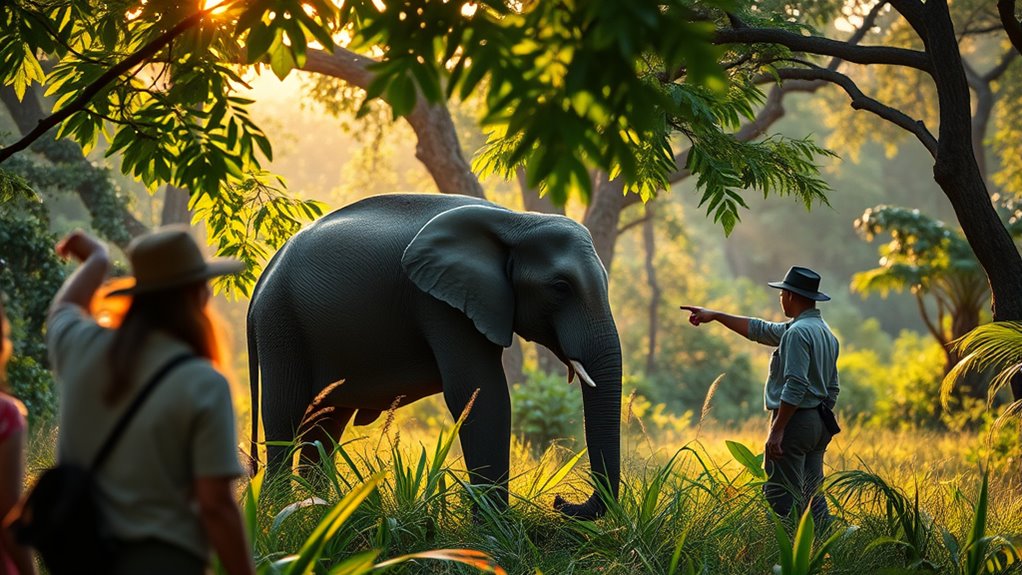

When you choose wildlife tourism options that prioritize animal welfare and conservation, you help support ethical practices over exploitation. Avoid tours that keep animals in captivity or manipulate their behaviors for entertainment, as this causes stress and harm. Instead, look for operators with responsible certifications and that respect local communities and habitats. Supporting these responsible choices guarantees your trip benefits wildlife and preserves their natural environments. Keep exploring to discover how you can make a positive impact through ethical tourism.

Get home appliances delivered free — and shop member deals
- Fast, free delivery on millions of items
- Access to Prime Big Deal Days deals on October 6–7
- Prime Video, Amazon Music and more included
Key Takeaways
- Choose operators that prioritize animal welfare, natural behaviors, and habitat conservation to promote ethical wildlife tourism.
- Support certifications and reviews that verify responsible practices in wildlife encounters and community engagement.
- Avoid activities involving captivity, manipulation, or unnatural behaviors that cause stress or harm to animals.
- Promote cultural sensitivity by respecting local traditions and supporting community-led tourism initiatives.
- Contribute to conservation efforts and habitat preservation through responsible tourism choices that benefit wildlife and local communities.

Have you ever wondered if your enjoyment of wildlife tourism comes at a cost to the animals and their habitats? It’s easy to get caught up in the thrill of spotting exotic creatures or exploring pristine landscapes, but it’s important to consider the broader implications of these activities. When you participate in wildlife tourism, animal welfare should be at the forefront of your mind. Unfortunately, not all experiences are created equally. Some operators prioritize profits over the well-being of animals, leading to stressful, harmful, or even abusive situations. For example, some tours involve close encounters with animals that are kept in captivity or manipulated into unnatural behaviors, which can cause physical and psychological distress. Supporting ethical tourism means seeking out operators who prioritize the health and natural behaviors of animals, ensuring they’re not exploited for entertainment or profit. Additionally, choosing responsible tourism options that emphasize conservation and ethical treatment can significantly reduce negative impacts.
Cultural impacts also play a significant role in the ethics of wildlife tourism. When you visit a community or region, your presence can influence local customs and traditions. If tourism is poorly managed or driven solely by external interests, it can erode cultural identities or promote practices that are harmful to the environment. For example, some communities may feel pressured to modify traditional ways of living to cater to tourists’ expectations, leading to a loss of authenticity and a disconnect from their heritage. Additionally, the influx of tourists can strain local resources, create environmental degradation, or lead to the commodification of wildlife and cultural practices. To genuinely support conservation and local communities, you should choose responsible tourism options that respect local traditions, promote cultural exchange, and help communities develop sustainable livelihoods.
Being mindful of these factors isn’t just about avoiding guilt; it’s about making a positive impact. When you choose ethical wildlife tourism, you help protect animal welfare by discouraging exploitative practices and support conservation efforts that preserve habitats and species. At the same time, you contribute to cultural sustainability by respecting local customs and promoting community-led initiatives. Your choices can influence the industry to adopt higher standards of animal care and cultural sensitivity. Look for certifications, read reviews, and ask questions about how operators treat animals and engage with local communities. By doing so, you’re not just a passive observer but an active participant in promoting a more ethical, responsible approach to experiencing the natural world. Ultimately, ethical wildlife tourism ensures that your adventures contribute to the preservation of wildlife and cultures, rather than their exploitation or destruction.
As an affiliate, we earn on qualifying purchases.
Frequently Asked Questions
How Can Tourists Identify Ethically Responsible Wildlife Tours?
To identify ethically responsible wildlife tours, look for tour operators that prioritize wildlife ethics and demonstrate transparency about their practices. Ask questions about how animals are treated, ensure the tour supports conservation efforts, and avoid operators that promote exploitation. You can also research reviews or certifications from conservation organizations. By choosing operators committed to ethical standards and transparency, you help promote sustainable tourism that benefits wildlife and local communities.
What Are the Long-Term Impacts of Wildlife Tourism on Animal Behavior?
You might not realize it, but up to 60% of wildlife tourism can cause behavior modification and elevated stress responses in animals over time. These impacts can lead to altered feeding, mating, and migration patterns, disrupting natural behaviors. Long-term, animals may become habituated to humans, losing their natural fear and risking increased vulnerability to predators or other threats. This underscores how tourism can unintentionally harm wildlife if not managed responsibly.
Are There Specific Certifications for Ethical Wildlife Tourism Operators?
Yes, there are specific certifications for ethical wildlife tourism operators. These certifications are based on strict certification standards that guarantee operators prioritize animal welfare, environmental sustainability, and responsible tourism practices. When choosing an operator with ethical branding, you can trust they meet these standards, giving you peace of mind that your wildlife experience supports conservation efforts without harming animals or ecosystems. Always look for recognized certifications to ensure authenticity.
How Does Wildlife Tourism Influence Local Communities Economically?
Your wildlife tourism experience can massively boost local economies, transforming small villages into thriving hubs of community development. By attracting travelers, you help generate significant economic benefits like jobs, improved infrastructure, and local business growth. This influx of revenue empowers communities, giving them the resources to preserve their natural habitats and culture. Ultimately, your responsible tourism supports sustainable development, making a real difference beyond just enjoying wildlife—you’re helping local communities flourish.
Can Wildlife Tourism Ever Be Completely Free of Environmental Impact?
Wildlife tourism can’t be completely free of environmental impact because it increases your ecological footprint through habitat disturbance and pollution. While you can minimize this impact by choosing eco-friendly options and supporting sustainable operators, some level of disruption remains inevitable. Striking a conservation balance is vital, ensuring tourism benefits local communities and wildlife, but you must recognize that zero impact is nearly impossible. Responsible tourism helps reduce environmental harm overall.
Conclusion
So, as you plan your next adventure, remember that wildlife tourism isn’t just about snapping photos or feeling like a modern Tarzan. It’s about supporting conservation and respecting animals’ homes—think of it as your own personal “Save the Planet” quest. By choosing ethical experiences over exploitative ones, you become a true eco-hero. After all, the goal isn’t to be Jurassic Park, but to make certain these creatures thrive long after your Instagram fame fades.
NFL season / tailgating Picks
team gear
As an affiliate, we earn on qualifying purchases.