Even if you don’t have a garden, soil health still impacts you. Healthy soil guarantees clean water and good air quality by preventing erosion and pollution. It also supports sustainable food systems, which you rely on for nutrition. When soil degrades, it contributes to environmental problems like land loss and climate change. Understanding these connections shows why protecting soil benefits everyone — and there’s more to discover about how it all works together.

Get home appliances delivered free — and shop member deals
- Fast, free delivery on millions of items
- Access to Prime Big Deal Days deals on October 6–7
- Prime Video, Amazon Music and more included
Key Takeaways
- Healthy soil filters and purifies water, benefiting everyone’s access to clean drinking water.
- Soil degradation contributes to air pollution through erosion and dust, affecting public health.
- Soil health supports food production, impacting the availability and quality of food for all.
- Erosion and nutrient loss can lead to increased sedimentation in waterways, harming aquatic ecosystems.
- Maintaining soil vitality helps combat climate change by sequestering carbon and reducing greenhouse gases.
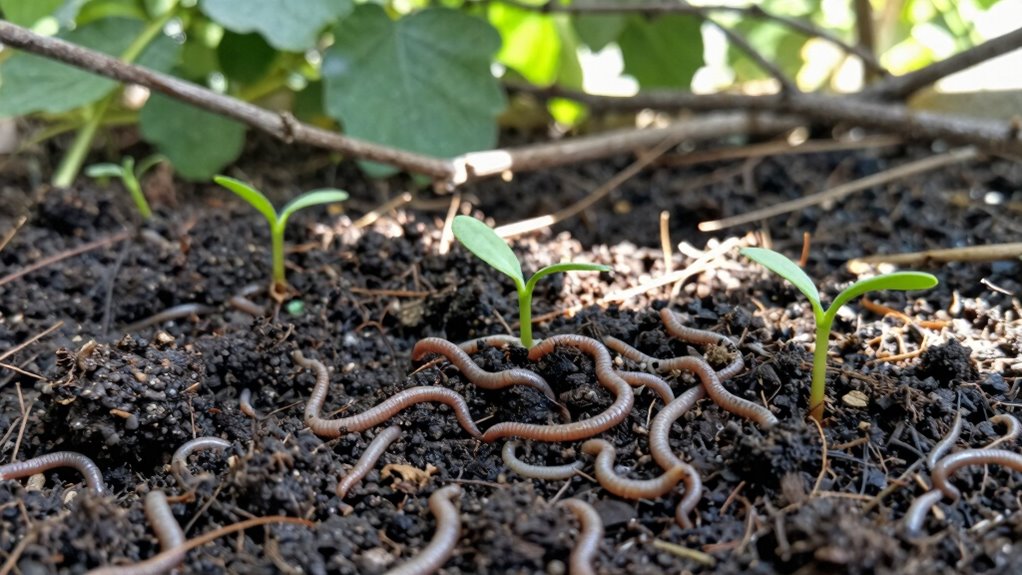
Soil health is fundamental to sustainable agriculture and environmental stability. Even if you don’t have a garden or grow your own food, you’re still connected to healthy soils in many ways. One of the biggest threats to soil health is soil erosion, which wears away the topsoil—the layer rich in nutrients and organic matter essential for plant growth. When this layer is lost, it becomes harder for plants to thrive, and the land’s ability to sustain life diminishes. Soil erosion can happen from heavy rains, wind, or human activities like construction and deforestation, leading to degraded land that can’t support crops or natural vegetation. This process doesn’t just affect farmers; it impacts everyone because eroded soil often ends up in waterways, causing sedimentation that harms aquatic ecosystems and pollutes drinking water supplies.
Another essential aspect is nutrient depletion, which occurs when the necessary minerals and organic compounds necessary for plant growth are washed away or used up without being replenished. Over time, this depletion weakens the soil’s ability to support plant life, making it less fertile and less capable of providing the ecosystem services we rely on. When nutrients are depleted, farmers often turn to chemical fertilizers, which can temporarily boost growth but may further harm soil health in the long run. Without healthy soil, the cycle of growing food becomes more difficult, and the quality of the produce we eat decreases. But beyond agriculture, nutrient-depleted soils also influence air quality and climate change, as degraded soils release carbon into the atmosphere and lose their capacity to sequester greenhouse gases. Protecting soil health is crucial because soil degradation can lead to desertification, making land less productive and threatening ecosystems worldwide. Additionally, soil conservation practices can help maintain the integrity of this vital resource for future generations. Recognizing the importance of soil microbiology can help us appreciate the complex interactions that sustain soil vitality and plant growth. Moreover, understanding the role of soil organic matter in maintaining nutrient levels is critical for promoting long-term soil health and resilience.
water filtration system for clean drinking water
As an affiliate, we earn on qualifying purchases.
As an affiliate, we earn on qualifying purchases.
Frequently Asked Questions
How Does Soil Health Affect Air Quality in Urban Areas?
Soil health impacts air quality in urban areas because healthy soil microbes help break down pollutants and trap dust particles. When you engage in urban gardening, you’re supporting soil microbes, which improves air quality by reducing airborne contaminants. Healthy soils also prevent erosion, reducing dust. By caring for soil health, even without a garden, you contribute to cleaner, fresher air in your city, making urban environments healthier for everyone.
Can Soil Health Influence Local Water Pollution Levels?
Ever wondered if soil health can impact water pollution? It definitely can. Healthy soil acts as a natural filter through soil filtration, trapping pollutants before they reach water bodies. When soil is degraded, nutrient runoff increases, carrying fertilizers and chemicals into rivers and lakes. This runoff fuels algae blooms and contaminates drinking water. So, maintaining soil health helps reduce local water pollution levels, protecting ecosystems and public health alike.
What Role Does Soil Play in Climate Change Mitigation?
Soil plays a vital role in climate change mitigation through soil carbon sequestration and microbial diversity enhancement. By improving soil health, you help capture atmospheric carbon, reducing greenhouse gases. Healthy soil supports diverse microbial communities that break down organic matter efficiently, further storing carbon and promoting resilience against climate impacts. When you nurture soil health, you’re actively contributing to climate change mitigation, creating a more sustainable environment for everyone.
How Does Soil Health Impact Food Safety and Nutrition?
Soil health directly impacts food safety and nutrition by maintaining rich soil nutrient levels and supporting microbial diversity. When soil is healthy, it provides plants with essential nutrients, reducing the need for chemical fertilizers. Microbial diversity helps break down organic matter and suppress harmful pathogens, ensuring safer, more nutritious food. You benefit from improved food quality and safety when soil health is prioritized, making your diet healthier and more sustainable.
Are There Economic Benefits of Healthy Soils for Non-Gardeners?
Healthy soils boost economic resilience by supporting higher crop yields, which benefits everyone, not just farmers. When soil quality improves, food production becomes more stable and sustainable, reducing costs and shortages. As a non-gardener, you benefit from this increased stability through lower food prices and a more reliable food supply. Investing in soil health ultimately strengthens the economy by ensuring consistent, nutritious food for all.
Conclusion
Soil health is the silent foundation beneath our feet, shaping the world in ways you might not see but definitely feel. When soil thrives, it’s like a well-tuned orchestra, producing abundant food, filtering water, and supporting life everywhere. Even if you don’t tend a garden, you’re still connected to this vibrant earth beneath us all. Protecting soil health keeps our planet alive and kicking—because a healthy world starts from the ground up, not just in your backyard.
NFL season / tailgating Picks
team gear
As an affiliate, we earn on qualifying purchases.