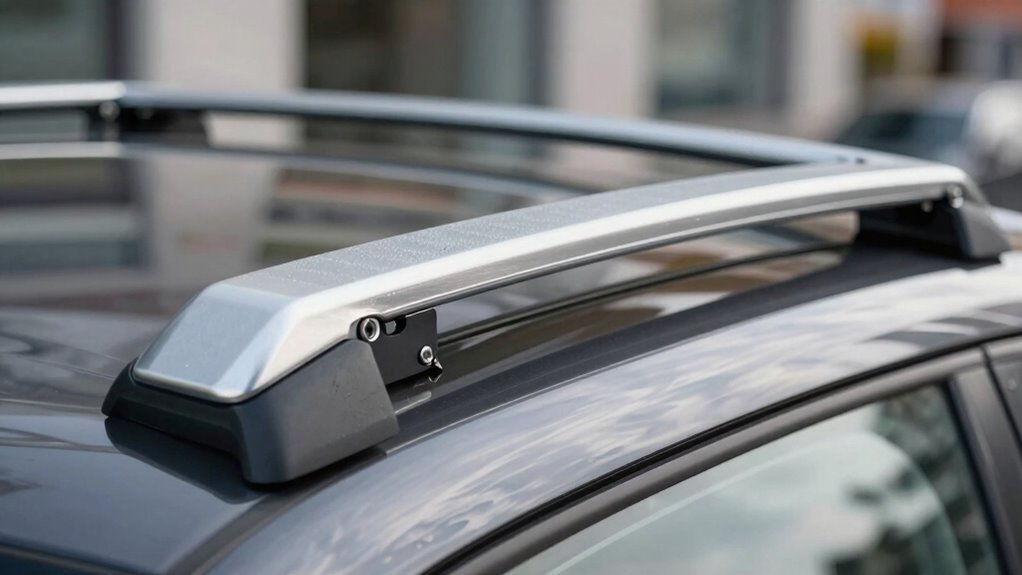

Choosing the wrong roof rack cross bars or installing them improperly can quickly lead to costly problems. If you use low-quality or incompatible materials, your system could shift, loosen, or even detach during driving, risking damage to your vehicle and safety hazards. Proper installation, following the manufacturer’s instructions, guarantees secure attachment and avoiding overloading is essential. Paying attention to these details can prevent expensive repairs later; keep going to discover how to get it right from the start.

Get home appliances delivered free with Prime
- Fast, free delivery on millions of items
- Prime Video, Amazon Music and more included
- Member-only deals all year
Key Takeaways
- Using low-quality or incompatible materials can compromise load capacity and lead to system failure.
- Improper installation, such as incorrect fastening or alignment, increases risk of detachment and damage.
- Overlooking manufacturer’s weight limits can cause structural damage and unsafe driving conditions.
- Neglecting regular inspections and maintenance allows loosening or wear to go unnoticed, risking accidents.
- Focusing solely on cost savings often results in choosing inferior components that cause costly repairs later.
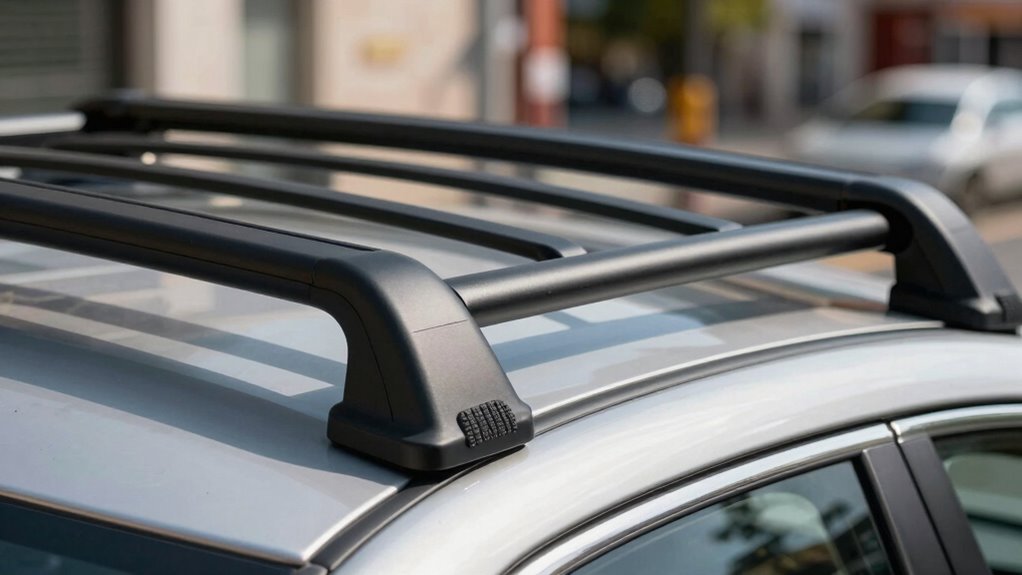
Have you ever wondered how to maximize your vehicle’s storage capacity? One of the most effective ways is through roof rack cross bars. They expand your vehicle’s ability to carry everything from bikes and kayaks to luggage and camping gear. But the key to a successful setup isn’t just installing any cross bars—it’s choosing the right materials and ensuring proper roof rack installation. Skimping on quality or neglecting proper installation can lead to costly problems down the line.
When you’re selecting cross bar materials, it’s tempting to go for cheaper options, but that can be a mistake. Aluminum cross bars are popular because they’re lightweight, rust-resistant, and strong enough to handle heavy loads. Steel bars, while more durable, tend to be heavier and more prone to rust if not properly coated. Some manufacturers offer composite materials, which can be lightweight and highly durable, but these tend to be pricier. Picking the right material isn’t just about price; it’s about ensuring your cross bars can handle the weight you plan to load without bending or breaking. Cheap or incompatible materials can compromise the entire roof rack system, leading to damage to your vehicle or gear, and in worst cases, causing accidents. Investing in high-quality roof rack components can significantly reduce the risk of failure. Additionally, understanding the material properties of your chosen cross bars helps ensure they meet your specific needs. Properly understanding these properties can help you select the right cross bars for your particular use case.
Proper roof rack installation is equally critical. If you just slap cross bars onto your roof without following the manufacturer’s instructions or without ensuring they’re securely fastened, you’re setting yourself up for trouble. An improper installation can cause the bars to shift, loosen, or even detach while driving. This not only damages your vehicle but also puts other road users at risk. Always double-check that the cross bars are aligned correctly and tightened to the recommended torque specifications. Many issues stem from hurried or careless installation, which makes it worth taking the time to read the manual thoroughly or even consulting a professional. Additionally, understanding the weight capacity of your cross bars is essential to avoid overloading and potential failure. Properly securing your cross bars also involves periodically inspecting them to ensure they remain tight and in good condition during your trips. Regular inspections help prevent accidents caused by loose equipment and keep your gear secure on the road.
As an affiliate, we earn on qualifying purchases.
Frequently Asked Questions
How Do I Choose the Right Cross Bars for My Vehicle?
To choose the right cross bars, you need to check your vehicle’s roof rack compatibility first. Measure your roof’s width and track spacing to guarantee a proper fit. Then, prioritize cross bar security features like locking mechanisms to prevent theft and movement. Opt for durable materials that can handle your gear’s weight. By matching these factors, you’ll avoid costly mistakes and ensure your roof rack provides a safe, reliable foundation for your loads.
Can Roof Rack Cross Bars Be Installed by Myself?
Yes, you can install roof rack cross bars yourself, but it’s a careful task. While many roof rack accessories and cross bar accessories come with detailed instructions, you’ll need to follow them precisely to avoid costly mistakes. Use a wrench or screwdriver for secure placement, and double-check your work. If you’re unsure, consulting your vehicle’s manual or seeking professional help guarantees you save money and prevent damage.
What Materials Are Best for Durable Cross Bars?
For durable cross bars, opt for materials like aluminum or stainless steel, as their material durability guarantees long-lasting performance. Aluminum is lightweight yet strong, making it a popular choice for cross bar longevity, while stainless steel offers superior corrosion resistance, ideal for harsh weather conditions. Avoid cheaper plastics or thin metals, as they tend to bend or wear quickly, leading to costly replacements. Choosing high-quality materials will save you money and frustration over time.
How Do I Prevent Noise and Wind Resistance?
To prevent noise and reduce wind resistance, choose cross bars with an aerodynamic design. These shapes minimize turbulence and drag, making your ride quieter and more efficient. Additionally, you can add noise reduction accessories like rubber strips or fairings. Regularly tighten and check the bars to guarantee a snug fit, which also helps cut down on squeaks and rattling. Properly designed and maintained cross bars make your journey smoother and quieter.
Are There Weight Limits I Should Be Aware Of?
You should definitely know the weight limits before loading your roof rack cross bars. Exceeding the weight capacity risks damage and safety issues. Pay close attention to load distribution, ensuring the weight is evenly spread across the bars. If you ignore these limits, you could cause costly repairs or accidents. Always check your vehicle’s specifications and follow manufacturer guidelines to keep your load secure and your journey safe.
Conclusion
So, next time you slap those cross bars on your roof without a second thought, remember—you’re not just securing your gear, you’re setting the stage for costly chaos. But hey, who needs a budget when you can chase the thrill of fixing expensive problems caused by a foundation mistake? Think of it as an investment in your future headaches—because nothing says “smart choice” like learning the hard way. Happy hauling!
Halloween Picks
halloween
As an affiliate, we earn on qualifying purchases.