
When you explore Italy’s national parks, practice responsible wildlife viewing by staying on designated paths, keeping a safe distance, and using binoculars or zoom lenses for a closer look. Respect animal behaviors, avoid sudden movements, and refrain from disturbing their natural habitats. Guided tours led by experts can enhance your experience while supporting conservation efforts. Continuing will reveal how mindful actions help preserve Italy’s beautiful ecosystems for future generations.
Key Takeaways
- Follow park guidelines and stay on designated paths to minimize habitat disturbance.
- Keep a safe distance from wildlife using binoculars or zoom lenses.
- Join guided tours led by knowledgeable guides to enhance observation and support conservation.
- Avoid making loud noises or sudden movements to prevent stressing animals.
- Support eco-friendly camping and responsible tourism practices to promote conservation efforts.

Italy’s diverse landscapes offer some of Europe’s best opportunities for wildlife viewing, from the rugged mountains of the Alps to the tranquil shores of the Mediterranean. As you explore these national parks, it’s essential to embrace responsible practices that protect the environment and guarantee future generations can enjoy the same natural beauty. One way to minimize your impact is by choosing eco-friendly camping options. Many parks now offer designated sites that prioritize sustainability, using renewable energy sources and waste reduction programs. Staying at these sites means you can immerse yourself in nature without harming delicate ecosystems. Remember to adhere to park rules, such as avoiding campfires outside designated areas and disposing of waste properly, to keep the environment pristine. Incorporating sustainable tourism practices is vital for conserving Italy’s natural heritage for years to come.
Choose eco-friendly campsites to protect Italy’s natural beauty and enjoy sustainable, responsible outdoor adventures.
Guided wildlife tours are another excellent way to enhance your experience while practicing responsible viewing. These tours are led by knowledgeable guides who understand the local flora and fauna, helping you spot animals without disturbing their natural behaviors. Guided tours also ensure you stay on designated paths and maintain a safe distance from wildlife, which is essential for both your safety and theirs. Guides often share insights about the species you encounter, deepening your appreciation for the delicate balance of these ecosystems. Participating in such tours also supports local communities and conservation efforts, as many are operated by local experts and organizations committed to protecting Italy’s natural heritage.
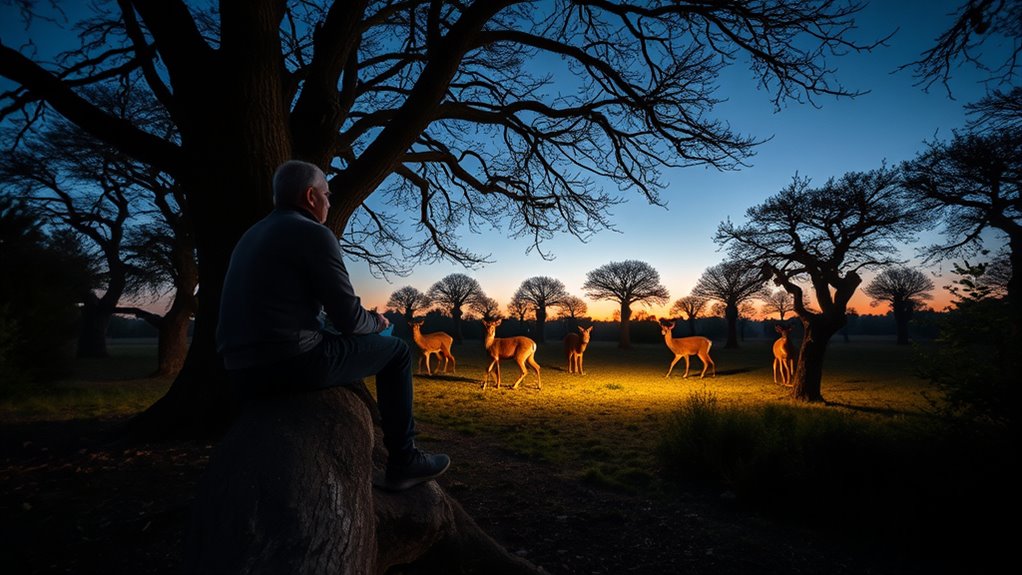
When observing animals, always keep a respectful distance. Getting too close can stress wildlife, disrupt feeding or breeding habits, and even cause animals to abandon their habitats. Use binoculars or zoom lenses to get a closer look without intruding on their space. Stay quiet and avoid sudden movements to prevent startling animals. Remember that your goal is to observe, not to interfere. If you see signs of distress or if animals appear agitated, it’s best to step back and give them space. By doing so, you help maintain the integrity of their environment and guarantee that these incredible creatures continue to thrive.
Incorporating eco-friendly camping and guided wildlife tours into your plans demonstrates your commitment to responsible tourism. These practices allow you to enjoy Italy’s stunning parks while actively contributing to conservation efforts. Respecting wildlife, following park guidelines, and supporting sustainable initiatives help preserve these natural treasures for future explorers. Your mindful approach not only enriches your experience but also plays a crucial role in safeguarding Italy’s rich biodiversity. So, as you venture into Italy’s parks, keep conservation at the forefront—your actions make a difference.
As an affiliate, we earn on qualifying purchases.
Frequently Asked Questions
What Permits Are Needed for Wildlife Photography in Italian Parks?
You’ll need to go through the permitting process to do wildlife photography in Italian parks. Start by contacting park authorities or the national park office to obtain the necessary permits. Make sure you adhere to all photography regulations, including restrictions on drone use, flash photography, and staying at designated spots. These permits ensure you’re respecting wildlife and park rules, helping you capture stunning images responsibly and legally.
How Can Visitors Minimize Their Impact on Local Ecosystems?
To minimize disturbance and practice responsible behavior, stay on designated trails and avoid sudden movements to not scare wildlife. Keep a safe distance and refrain from feeding animals, which can disrupt their natural habits. Respect quiet zones and limit noise levels, allowing animals to carry out their activities undisturbed. By following these guidelines, you help protect the ecosystem and ensure a sustainable experience for future visitors.
Are There Guided Tours Focused on Responsible Wildlife Viewing?
Yes, many guided tours focus on responsible wildlife viewing, emphasizing ethical photography and wildlife conservation. When you join these tours, you learn how to observe animals without disturbing their natural behavior, use cameras responsibly, and respect their habitats. Guides often share insights on conserving local ecosystems, ensuring your experience supports preservation efforts. By choosing these tours, you help promote sustainable tourism and protect the wildlife you’re there to appreciate.
What Are the Best Times of Year to Observe Specific Species?
You should visit Italian national parks during specific times to see particular species. For example, spring and early summer are great for observing bird breeding seasons and seasonal migrations, when many species are most active and visible. In autumn, you might catch animals preparing for winter, like deer or chamois. Planning your trip around these seasonal events increases your chances of witnessing wildlife at its most vibrant and active.
How Do Park Authorities Monitor and Enforce Wildlife Protection Rules?
You might wonder how park authorities keep wildlife safe. They use advanced wildlife monitoring techniques like camera traps and patrols to track animal activity. Enforcement strategies include strict rules, fines, and surveillance that catch rule-breakers in action. You’ll be surprised how vigilant they are, ensuring everyone respects the habitat. Their dedication preserves Italy’s natural treasures, making your wildlife encounters safe, sustainable, and unforgettable.
Conclusion
Remember, each moment you share with Italy’s incredible wildlife is a gift, not a privilege. By respecting their natural habitat, you become a guardian of these precious ecosystems. Imagine the stories you’ll tell—stories of harmony and respect, like a silent vow to protect what remains wild. So, when you visit, let your actions speak louder than words. Embrace responsible wildlife viewing, and together, we can guarantee these wonders endure for generations to come.