
Rooftop cargo boxes can change your road trips more than you expect by vastly increasing your storage space, helping you pack more easily and stay organized. They make it easier to carry sports gear, luggage, or camping equipment without cluttering your interior. Plus, modern designs minimize drag, so your fuel efficiency is less affected. Keep in mind, proper loading and handling are essential for safety. Curious about how to maximize these benefits? Continue exploring to learn more.

Get home appliances delivered free with Prime
- Fast, free delivery on millions of items
- Prime Video, Amazon Music and more included
- Member-only deals all year
Key Takeaways
- Cargo boxes significantly increase storage, reducing interior clutter and making packing easier.
- Modern designs minimize aerodynamic drag, helping to keep fuel efficiency impact manageable.
- Proper weight distribution improves vehicle stability and safety during driving.
- Enhanced organization and extra space lead to less stress and more enjoyable trips.
- Balancing practicality with aerodynamic considerations optimizes overall road trip experience.
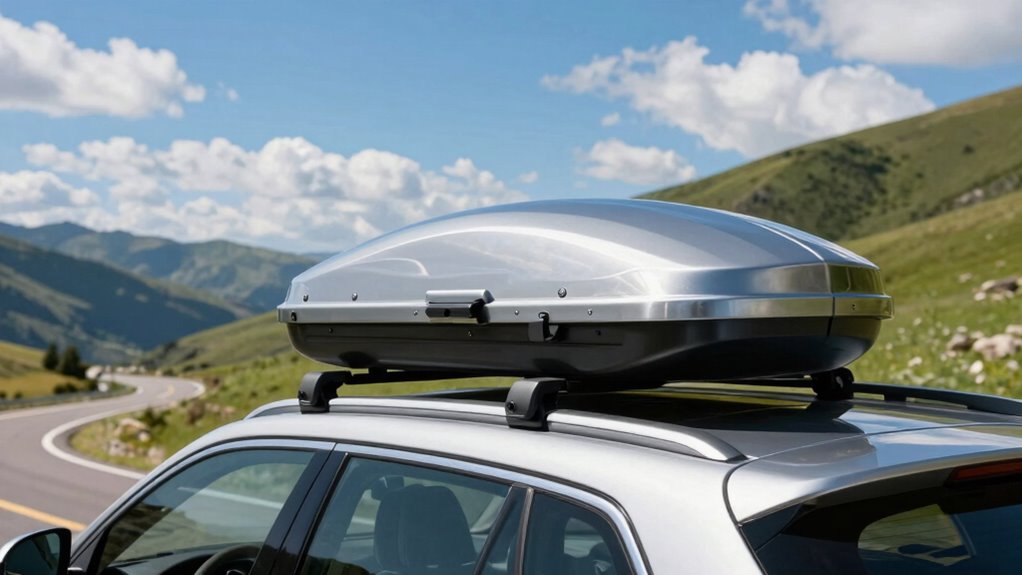
Looking for a smart way to expand your vehicle’s storage capacity? Rooftop cargo boxes are an excellent solution that can drastically change your road trip experience. They provide extra space to carry luggage, sports gear, or camping equipment without cluttering your interior. When you install a rooftop cargo box, you instantly boost your vehicle’s storage capacity, making packing more straightforward and stress-free. You won’t have to leave behind essentials or cram everything into tight spaces, which means a more comfortable ride for everyone.
However, it’s important to contemplate the aerodynamic impact of adding a cargo box to your roof. While these boxes are incredibly practical, they can also influence your vehicle’s fuel efficiency and handling. A bulky cargo box increases wind resistance, which forces your engine to work harder, leading to higher fuel consumption. You might notice that your miles per gallon decrease, especially during highway driving. But don’t let this discourage you—many modern cargo boxes are designed with aerodynamics in mind, tapering or shaping to minimize drag. Choosing a well-designed box can help mitigate the aerodynamic impact, keeping your fuel costs manageable.
Beyond fuel efficiency, you’ll also experience some change in how your vehicle handles. The added weight on the roof can slightly alter your car’s center of gravity, affecting stability during sharp turns or sudden maneuvers. This is particularly noticeable if your cargo box is heavily loaded. To guarantee safety, it’s wise to distribute the weight evenly inside the box and avoid overloading it. Taking these precautions helps maintain your vehicle’s balance and handling, making your road trip safer and more enjoyable. Additionally, proper loading techniques are essential to maximize safety and efficiency when using a cargo box. Being aware of vehicle weight distribution can further help you optimize your setup for safer driving. Incorporating aerodynamic design principles when selecting your cargo box can also help reduce the impact on fuel economy.
In the end, rooftop cargo boxes considerably enhance your road trip by increasing storage capacity and offering a practical solution for carrying bulky items. They also help prevent interior clutter, which can contribute to a more organized and less stressful travel experience. Just keep in mind the aerodynamic impact and how it could affect fuel efficiency and vehicle handling. With careful selection and proper loading, you’ll find that these boxes make your trips more organized, comfortable, and enjoyable—turning what could be a cramped adventure into a smooth, hassle-free experience.
As an affiliate, we earn on qualifying purchases.
Frequently Asked Questions
How Do Rooftop Cargo Boxes Affect Vehicle Handling?
Rooftop cargo boxes can affect your vehicle handling by impacting vehicle aerodynamics and cargo weight distribution. When you add a cargo box, it increases wind resistance, making your vehicle less aerodynamic and potentially reducing fuel efficiency. Additionally, the added weight on the roof shifts cargo weight distribution upward, which can alter your vehicle’s center of gravity, making it feel less stable, especially during sharp turns or high-speed driving.
Are Rooftop Cargo Boxes Waterproof?
You might assume rooftop cargo boxes are completely waterproof, but it depends on the model. Many are designed with weather resistance, keeping your gear dry during rain or snow. However, not all are entirely waterproof, so check the specifications. A well-made box also offers theft prevention features, protecting your belongings when you’re away. Always verify your cargo box has proper seals to maximize weather resistance and security during your trip.
What Is the Best Size for a Rooftop Cargo Box?
The best size for a rooftop cargo box depends on your storage capacity needs and vehicle size. Opt for a medium to large box if you need extra space for family trips, but guarantee it maintains an aerodynamic design to reduce wind drag. A well-sized cargo box balances ample storage with minimal impact on fuel efficiency, making your road trips more comfortable and convenient without sacrificing vehicle performance.
How Do I Secure a Cargo Box Properly?
Think of your cargo box as a treasure chest that needs to be secure. To guarantee safe cargo box installation, tighten all straps and clamps firmly, checking the manufacturer’s instructions. Use lockable mechanisms for added security. Always double-check that everything is snug and stable before hitting the road. Follow security precautions like avoiding overloading and periodically inspecting your cargo box during your trip—this keeps your valuables safe and your journey smooth.
Do Rooftop Cargo Boxes Impact Fuel Efficiency Significantly?
Rooftop cargo boxes do impact fuel efficiency, but it’s often less than you might think. Many fuel efficiency myths overstate this effect; in reality, cargo box aerodynamics play a big role. If you choose a well-designed, aerodynamic box and keep it properly secured, the impact on fuel consumption is minimal. However, carrying extra weight and increased wind resistance can slightly reduce your miles per gallon.
Conclusion
So, next time you strap that bulky rooftop cargo box onto your car, remember—you’re not just gaining extra space, you’re unlocking a new level of road trip chaos. Who knew that hauling more stuff would turn your peaceful drive into a comedic spectacle? But hey, if you enjoy the thrill of dodging low bridges and losing a bag or two, a rooftop cargo box might just be your new best friend. Happy (un)organized travels!
Columbus Day / Indigenous Peoples' Day Picks
long weekend sales
As an affiliate, we earn on qualifying purchases.