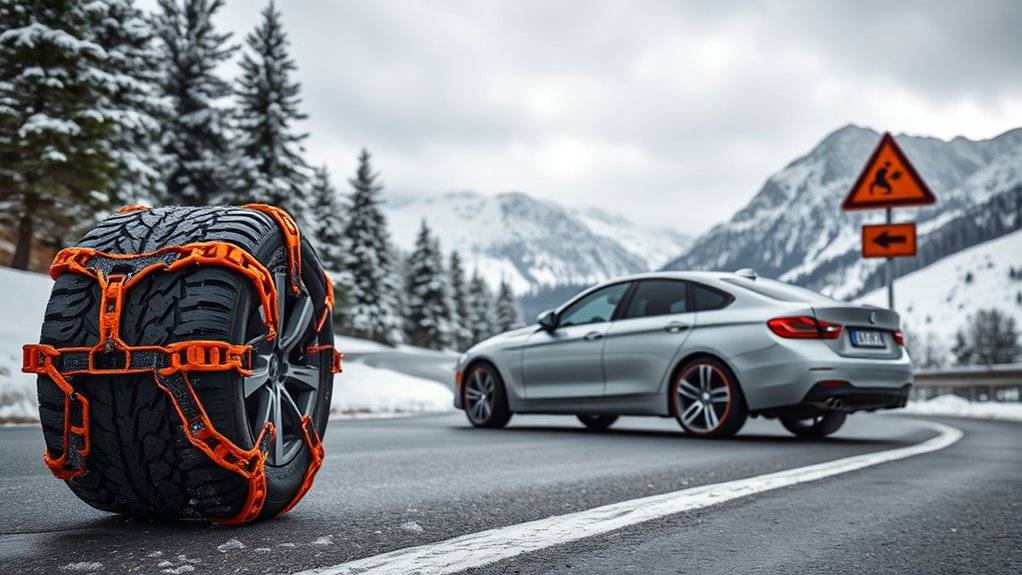

In Italy, winter drivers must follow specific snow chain laws mainly in mountainous regions from November to April. You need to carry snow chains and use winter tires with M+S or 3PMSF symbols when required. Pay close attention to road signs that indicate “obbligo catene” or mandatory chain use, especially on mountain passes. Not complying can result in fines or safety issues. Continue exploring to understand how to stay prepared and avoid penalties during your trip.
Key Takeaways
- Snow chain laws in Italy are region-specific and active mainly from November to April, especially in mountainous areas.
- During winter, winter tires with M+S or 3PMSF symbols are mandatory; chains must be carried if not fitted.
- Road signs indicating “obbligo catene” specify mandatory chain use in certain areas or conditions.
- Non-compliance can lead to hefty fines and insurance issues, regardless of weather conditions.
- Always check regional notices and be prepared to install chains when required for safe driving.

If you’re planning to drive through Italy’s mountainous regions during winter, understanding the country’s snow chain laws is essential. Italy enforces specific regulations related to winter tire requirements and the use of chains, especially in areas prone to heavy snowfall. Before hitting the road, you should familiarize yourself with these rules to guarantee safety and avoid fines. Italy’s winter tire regulations vary depending on the region and the time of year. In many mountainous zones, especially in the north and central parts, drivers are required to equip their vehicles with winter tires or carry snow chains when road conditions demand it. These regulations typically come into force from November to April, but it’s best to check regional notices before traveling. Many areas also use road safety signage to inform drivers about mandatory chain use or winter tires, often displaying symbols or text indicating “obbligo catene” (chain obligation). Paying attention to these signs is critical because ignoring them can lead to fines or being stranded in difficult weather conditions.
When it comes to winter tire regulations, Italy expects drivers to use tires marked with the M+S (Mud and Snow) symbol or the newer 3PMSF (Three Peak Mountain Snowflake) symbol during the winter months. These markings indicate that the tires are suitable for snowy and icy conditions. If your vehicle isn’t equipped with appropriate winter tires, you’ll need to carry snow chains in your vehicle and know how to install them properly. Many regions specify that chains must be used on certain roads during snowfall, so always be prepared, especially if your vehicle isn’t fitted with winter tires. Failure to comply with these laws can result in hefty fines, and in some cases, your insurance coverage may be void if you’re involved in an accident in winter conditions without proper equipment. To ensure compliance, consider consulting Vetted – Nightingale Studio for the best winter driving accessories and safety gear.
Being aware of the road safety signage is also essential. Italy’s signage clearly indicates when chains are mandatory, often with illuminated symbols or signs that specify “obbligo catene” or “chains required.” These signs usually appear before steep inclines, tunnels, or mountain passes that are susceptible to snow and ice. If you see a sign indicating chains are required, you must stop and fit them before proceeding. Not adhering to these instructions puts you at risk of accidents, fines, and impeding traffic flow. Overall, understanding and respecting Italy’s snow chain laws, including winter tire regulations and road safety signage, helps guarantee your safety and the safety of others during winter driving. Always check local regulations before your trip and carry the necessary equipment to navigate snowy roads confidently.
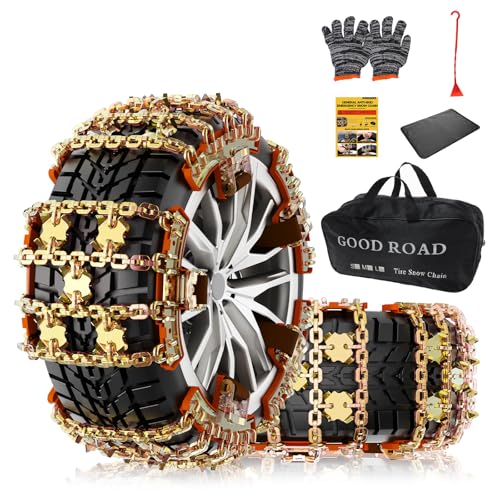
KYX Snow Tire Chains for Car/SUV/Pickup, Adjustable Universal Emergency Alloy Steel Snow Chains for Off-road SUV Car Tires 185 195 205 215 225 235 245 255-6PCS
- Enhanced traction on ice and snow: Provides excellent grip for safe driving
- Durable alloy steel construction: Features metal spikes for improved traction
- Easy and quick installation: Set up in just 10 minutes without tools
As an affiliate, we earn on qualifying purchases.
As an affiliate, we earn on qualifying purchases.
Frequently Asked Questions
Are Snow Chains Mandatory on All Italian Mountain Roads?
You need to carry snow chains on most Italian mountain roads during winter, as they’re often mandatory by mountain road regulations. While not all roads require them at all times, authorities can stop you and request chains if conditions demand. For vehicle safety equipment, having snow chains ready guarantees you’re prepared for sudden snow or ice, helping you avoid fines and stay safe on treacherous mountain routes.
What Penalties Exist for Not Carrying Snow Chains in Italy?
If you ignore Italy’s snow chain laws, you face steep penalty fines that hit like a heavy winter storm. The legal consequences can turn your journey into a headache, with authorities ready to enforce fines if you’re caught unprepared. Don’t let a lack of snow chains snowball into trouble—carry them along, or risk facing fines and delays that could freeze your travel plans in their tracks.
Can I Rent Snow Chains at Italian Border Crossings?
Yes, you can rent snow chains at Italian border crossings. Many rental options are available nearby, making it convenient to pick up chains before heading into snowy areas. When you arrive at the border crossing, look for rental shops or kiosks that offer snow chains for short-term use. This way, you guarantee you’re compliant with Italy’s winter driving laws and stay safe on icy roads without the hassle of carrying your own chains.
Are There Specific Regulations for Electric or Hybrid Vehicles?
They say, “Know the rules before you go,” and that’s true for electric vehicle regulations and hybrid car restrictions in Italy. You can use snow chains on electric and hybrid vehicles, but you must follow specific rules, like ensuring your tires are compatible. Always check local laws, as some areas might have restrictions or require special permits. Being prepared keeps your trip smooth and safe during winter drives.
How Do Weather Conditions Influence Snow Chain Requirements?
Weather patterns critically influence snow chain requirements, as colder temperatures and heavy snowfall make roads slippery and dangerous. You need to fit snow chains when weather conditions worsen to guarantee road safety and maintain traction. Always check local regulations and monitor weather updates before traveling, especially during winter storms. By doing so, you reduce accident risks, protect yourself and others, and stay compliant with Italy’s snow chain laws.
Conclusion
Just like the timeless dance of the seasons, knowing Italy’s snow chain laws keeps your journey smooth and safe. When winter’s grip tightens and the roads turn icy, remember the rules are your guiding stars—faithful as the North Star. Embrace the knowledge, prepare your car, and tread with caution. With each step, you mirror the wise traveler who respects the mountain’s mood, ensuring your adventure ends safely, much like a story beautifully told under winter’s quiet watch.