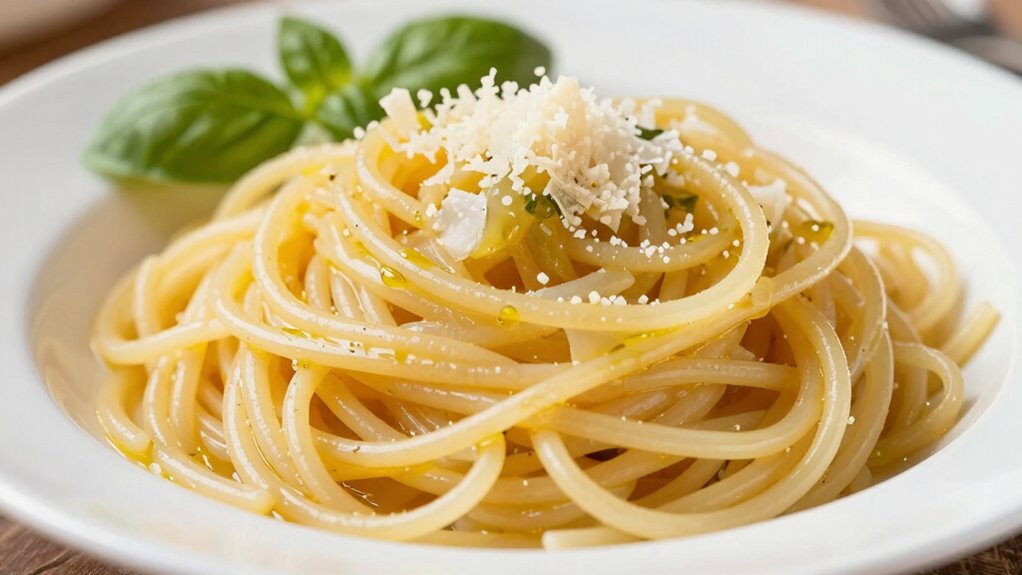

“Al dente” means cooking pasta to a firm, slightly resistant bite that enhances texture and flavor. It’s crucial because it prevents mushiness and helps the pasta absorb sauces better. Different pasta shapes require specific techniques and timing to achieve this perfect firmness. Mastering al dente ensures your dishes have the right mouthfeel and taste. If you want to discover how to perfect this skill for every pasta type, keep exploring the key techniques involved.

Get home appliances delivered free with Prime
- Fast, free delivery on millions of items
- Prime Video, Amazon Music and more included
- Member-only deals all year
Key Takeaways
- “Al dente” means pasta cooked to a firm, slightly resistant bite, emphasizing ideal texture for flavor and mouthfeel.
- Achieving al dente enhances flavor absorption and prevents overcooking, ensuring better dish quality.
- Different pasta types require specific cooking techniques to reach perfect al dente.
- Proper timing and testing are essential for determining when pasta is perfectly al dente.
- Mastering al dente ensures optimal texture, flavor, and a memorable dining experience.
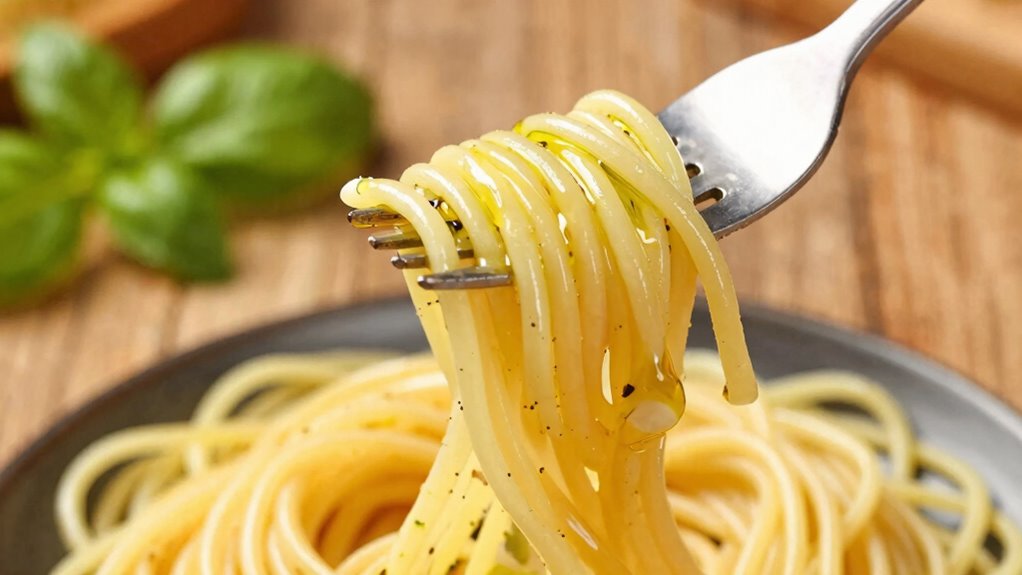
Ever wondered why chefs emphasize cooking pasta just right? The secret lies in mastering the art of “al dente,” a term that’s become a cornerstone of good pasta cooking. Achieving al dente isn’t just about following a timer; it involves a clear understanding of cooking techniques that bring out the best in various pasta varieties. Different types of pasta, from delicate angel hair to sturdy rigatoni, require specific approaches to reach that perfect bite. For example, thinner pasta cooks faster and needs close attention, while thicker or dried pasta might need a longer, more controlled simmer. Knowing how to adapt your cooking techniques to each pasta variety guarantees you don’t over- or under-cook, which can ruin texture and flavor. Understanding the importance of pasta variety helps you decide how to cook it perfectly. When you focus on proper cooking techniques, you’re actively enhancing the quality of your pasta. You start by bringing a large pot of water to a vigorous boil, generously salted to mimic the taste of the sea. This step is essential because it influences how the pasta absorbs water and flavors during cooking. As you add the pasta, stir it immediately to prevent sticking, especially with more delicate varieties. Keep an eye on the cooking time listed on the package, but don’t rely solely on it. Instead, start testing the pasta a minute or two before the suggested time, tasting it to see if it has the right firmness—tender but still with a slight bite in the center.
Mastering al dente requires understanding pasta types and tailored cooking techniques for perfect texture.
Understanding the importance of pasta variety helps you decide how to cook it perfectly. For instance, long, thin pasta like spaghetti benefits from a gentle, consistent boil, while short, tubular shapes like penne or rigatoni can handle a more vigorous cooking process. This knowledge allows you to tailor your approach, guaranteeing each pasta type reaches that ideal al dente texture—firm to the bite but not hard or chalky. Paying attention to cooking techniques and adjusting based on pasta type ensures optimal results. Developing an understanding of pasta cooking times can also help you better anticipate when your pasta will be ready. Additionally, understanding how different cooking processes influence texture can help prevent overcooking or undercooking. Practicing these techniques and understanding the cooking process can make a significant difference in the final outcome of your dish. When you master these techniques, you’re not just cooking pasta; you’re elevating your entire dish, whether it’s a simple aglio e olio or a rich sauce-based creation.
In the end, the significance of al dente goes beyond mere texture. It guarantees your pasta maintains its integrity, absorbing flavors beautifully and providing the perfect mouthfeel. Paying attention to cooking techniques, understanding pasta varieties, and testing doneness at just the right moment all contribute to achieving that elusive, perfect al dente. It’s a skill that transforms a simple ingredient into a culinary delight, making every pasta dish you serve memorable.
stainless steel pasta pot with strainer
As an affiliate, we earn on qualifying purchases.
As an affiliate, we earn on qualifying purchases.
Frequently Asked Questions
How Do I Tell if Pasta Is Perfectly Al Dente?
To tell if your pasta is perfectly al dente, start checking a minute or two before the package time. Take a piece out, and bite into it; it should be tender yet still firm to the bite, with a slight resistance in the center. Your pasta texture should be consistent, and good cooking techniques involve tasting regularly and draining promptly to achieve that ideal al dente finish.
Can the Al Dente Texture Vary Between Pasta Types?
You know what they say: “Variety is the spice of life.” Pasta texture can definitely vary between types, influenced by cooking techniques. For instance, spaghetti may need a shorter cook time, while penne benefits from a slightly firmer bite. Different pasta shapes and ingredients respond uniquely to heat, so adjusting your technique guarantees each type hits that perfect al dente texture, giving your dish the ideal bite every time.
Does Cooking Pasta Al Dente Affect Its Nutritional Value?
Cooking pasta al dente slightly preserves its nutritional value because shorter cooking time helps retain more vitamins and minerals. If you store pasta properly and avoid overcooking, you maintain better nutrients. Longer cooking times can cause some nutrient loss, but the impact isn’t huge. So, aim for the right cooking time and store your pasta correctly to keep its nutritional benefits intact and enjoy a healthier meal.
How Does Al Dente Pasta Influence Digestion?
Imagine you’re a modern-day Roman, and eating al dente pasta can boost your digestion. You’ll find that this texture offers digestive benefits because it’s less processed, making it easier for your stomach to break down. Plus, your personal texture preferences matter—some prefer firm pasta, which can improve nutrient absorption and reduce bloating. Eating al dente pasta supports a healthier gut and keeps you feeling lighter after meals.
Is Al Dente the Same Across Different Cuisines?
Al dente isn’t the same across cuisines, as it reflects different culinary authenticity and texture preferences. For Italian pasta, it’s firm to the bite, while in Asian dishes, slightly softer textures might be preferred. You’ll find variations depending on regional traditions and recipes, but the core idea remains: attaining the right balance of firmness and tenderness that complements the dish. Adjusting cooking times ensures you meet specific cuisine standards and your personal taste.
Conclusion
Understanding the true meaning of “al dente” isn’t just about perfect pasta; it’s about appreciating the artistry in your cooking. When you master this subtle point, you elevate your culinary experience from mere sustenance to a celebration of texture and timing. Remember, in the delicate dance of cooking, “al dente” is your rhythm—demanding precision, rewarding patience. So, embrace it, and let your dishes sing with a harmony only true mastery can bring.
Fall Picks
fall essentials
As an affiliate, we earn on qualifying purchases.