
TL;DR
A 100-year-old kitchen that was once covered in carpet has been renovated to showcase its original features and history. The project aims to preserve the home’s heritage while updating its functionality.
A 100-year-old kitchen that was once hidden beneath layers of carpet has been uncovered and restored to honor its original design. The homeowners decided to remove the carpet during a recent renovation, revealing the historic flooring beneath, and chose to preserve the space’s heritage while updating its functionality.
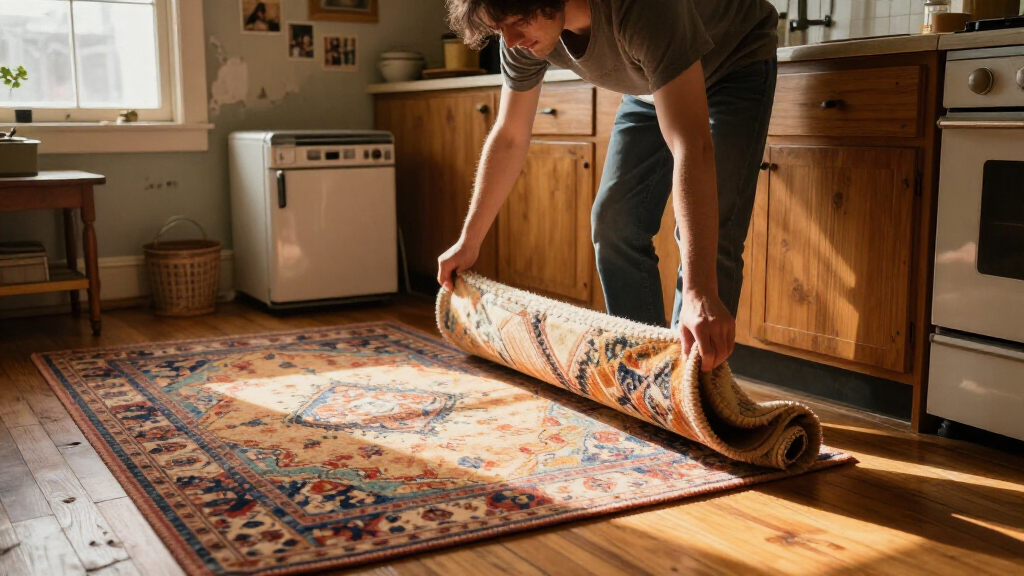
The home, built approximately in the early 1920s, had its kitchen entirely covered in carpet at some point in its history, obscuring the original wooden flooring. During a recent renovation, the homeowners carefully removed the carpet, discovering well-preserved wood floors that date back to the home’s construction. The project involved cleaning and refinishing the original flooring, which now serves as a centerpiece of the kitchen.
According to the homeowners, the decision to preserve the original flooring was driven by a desire to maintain the home’s historic character. They worked with restoration experts to ensure the wood was properly treated and protected, blending the vintage aesthetic with modern updates like new appliances and fixtures. The renovation also included subtle updates to improve functionality without compromising the historic integrity of the space.
Local historical preservation groups have praised the project, noting that it reflects a broader trend of homeowners valuing historical authenticity and craftsmanship. The homeowners also shared that they plan to incorporate other period-appropriate elements in the house to further honor its history.
Why Restoring the Original Kitchen Flooring Matters
This project highlights the importance of preserving historical features in older homes, offering a tangible link to the past. Restoring the original flooring not only enhances the home’s aesthetic appeal but also maintains its architectural integrity. Such efforts can increase awareness of local history and encourage other homeowners to consider preserving their historic features, fostering a greater appreciation for craftsmanship from a century ago.
For the homeowners, the renovation represents a personal connection to their property’s history, transforming a hidden relic into a celebrated feature. It also demonstrates how modern homes can incorporate vintage elements seamlessly, adding character and uniqueness to contemporary living spaces.
As an affiliate, we earn on qualifying purchases.
Historical Significance of 1920s Home Renovations
The early 20th century was a period of significant architectural and interior design development in the United States. Homes built during this era often featured durable materials and craftsmanship that remain valuable today. Over the decades, many homeowners covered original features like hardwood floors with carpets or other coverings, sometimes to protect or hide them.
In recent years, there has been a growing movement toward restoring and preserving historic homes. Experts emphasize that uncovering and maintaining original features, such as flooring, moldings, and fixtures, helps retain the home’s authentic character and can even increase its value. This particular project is part of that trend, illustrating how homeowners are actively choosing to honor their home’s history rather than replace or conceal it.
Prior to this renovation, it was common for homes of this age to have layers of carpet or linoleum over original flooring, often due to changing tastes or wear and tear. The decision to remove the carpet in this case aligns with a broader cultural shift toward valuing authenticity and craftsmanship in historic properties.
“We wanted to preserve the story of this house. Removing the carpet and restoring the original wood felt like bringing the past back to life.”
— Homeowner Jane Smith
Remaining Questions About the Renovation Process
It is not yet clear whether the homeowners plan to uncover additional original features throughout the house or how much of the original structure remains intact beyond the kitchen. Details about the specific techniques used during restoration are also still emerging.Future Plans for the Historic Home
The homeowners intend to continue exploring and restoring other parts of the house, aiming to preserve more of its original character. They also plan to document the renovation process to inspire other owners of historic homes. Experts suggest that the house may become a local example of successful preservation, potentially attracting interest from heritage organizations and visitors.
Key Questions
Why did the homeowners decide to remove the carpet?
The homeowners wanted to reveal and preserve the original hardwood flooring, which was hidden beneath layers of carpet, to honor the home’s history and craftsmanship.
How old is the house?
The house is approximately 100 years old, dating back to the early 1920s.
Did the renovation involve any modern updates?
Yes, the homeowners added modern appliances and fixtures, but took care to integrate these updates subtly to maintain the historic character of the space.
Are there plans to restore other parts of the house?
Yes, the homeowners plan to explore and preserve additional original features throughout the property to further honor its history.
What is the significance of this restoration?
This project exemplifies a growing trend of valuing historic authenticity and craftsmanship, connecting present and past through careful preservation.
Source: rss





![Bukit Bintang Hicks Flat: DBKL Orders Cleanup After Viral Video Exposes Dirty Conditions [WATCH] - NST Online](https://tweedot.com/wp-content/uploads/2026/08/bukit-bintang-hicks-flat-dbkl-orders-cleanup-after-viral-video-exposes-dirty-con-featured-260x140.jpg)