

By analyzing social media data with machine learning, you can spot emerging food trends early. Influencers’ posts and visual content highlight popular ingredients, presentation styles, and aesthetic shifts, giving you clues about upcoming preferences. Tracking engagement levels helps gauge trend momentum, allowing you to act quickly. Combining these insights provides a powerful way to stay ahead in the dynamic food industry—keep exploring to discover how to leverage these techniques effectively.

Get home appliances delivered free — and shop member deals
- Fast, free delivery on millions of items
- Access to Prime Big Deal Days deals on October 6–7
- Prime Video, Amazon Music and more included
Key Takeaways
- Analyzing influencer posts and engagement signals helps identify emerging food trends early.
- Visual content analysis detects aesthetic shifts and ingredient popularity on social media platforms.
- Machine learning processes large datasets to recognize patterns in images, hashtags, and influencer behaviors.
- Combining influencer impact metrics with visual cues improves the accuracy of trend predictions.
- Continuous monitoring enables proactive adjustments in marketing and product development based on forecasted trends.
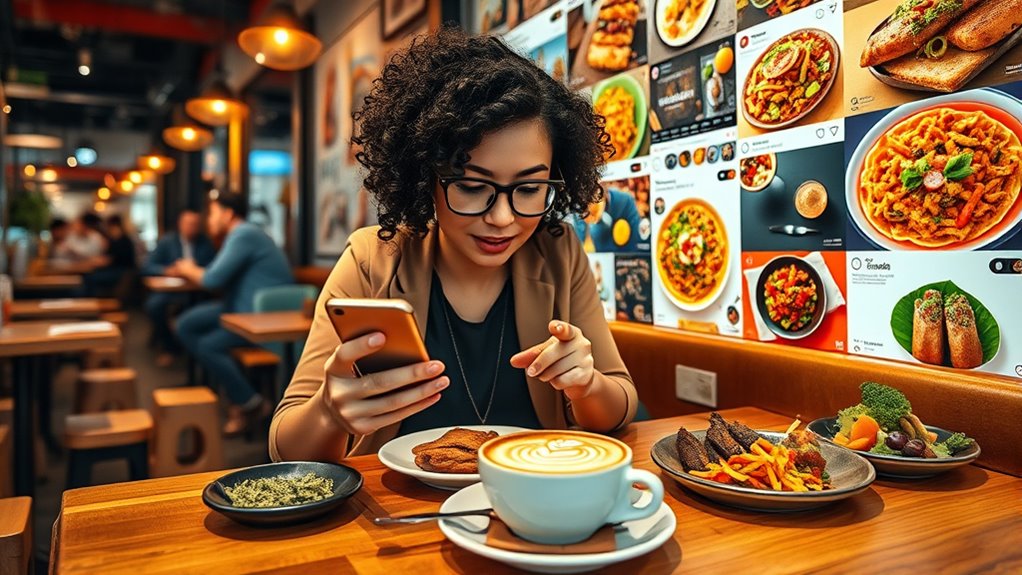
Social media has become a powerful tool for predicting food trends before they hit mainstream markets. By monitoring what influencers share and how their audiences respond, you can gain early insights into emerging preferences. Influencer impact plays a vital role because these content creators often set the tone for what’s fashionable or desirable in the food world. When an influencer posts a vibrant photo of a new smoothie bowl or a trending plant-based dish, it sparks curiosity and encourages followers to try it themselves. This ripple effect helps you spot patterns and anticipate which foods will soon become popular.
Visual content analysis is central to this process. Instead of relying solely on textual data, you focus on analyzing images, videos, and visual cues that dominate social media platforms. High-quality photos, appealing color schemes, and creative presentation immediately catch your eye, signaling potential trends. Machine learning algorithms can process thousands of these images rapidly, identifying common themes, ingredients, and presentation styles that resonate with audiences. By analyzing visual content, you can detect shifts in aesthetic preferences, such as a move toward rustic, minimalist plating or bold, colorful dishes, long before they appear in restaurants or retail shelves. Additionally, incorporating comfort solutions into food presentation—such as familiar flavors or cozy themes—can further influence trend adoption.
As you track influencer activities and analyze visual content, you start to see patterns forming. For example, a surge in posts featuring plant-based ingredients, creatively styled, could indicate a rising trend in vegan cuisine. This method allows you to stay ahead of the curve by recognizing subtle shifts in content that might be overlooked through traditional market research. Combining influencer impact data with visual content analysis enhances prediction accuracy, giving you a comprehensive view of upcoming food trends.
You can also leverage machine learning models to quantify the influence of specific content creators and measure engagement levels, helping you identify which trends are gaining momentum. When an influencer’s post garners thousands of likes and shares, it suggests a growing interest that could soon filter down into mainstream markets. By continuously analyzing these signals, you gain a predictive advantage, enabling food businesses, marketers, and culinary innovators to adapt swiftly.
As an affiliate, we earn on qualifying purchases.
Frequently Asked Questions
Which Social Media Platform Provides the Most Accurate Food Trend Data?
You’ll find Instagram offers the most accurate food trend data due to high user engagement and influencer impact. Its visual nature encourages users to share and discover new foods, making trends more visible. Influencers on Instagram markedly shape what’s popular, and their engaging content drives widespread interest. This platform’s active community helps you track emerging food trends quickly, making it a valuable tool for predicting what’s next in the culinary world.
How Do Seasonal Changes Affect Social Media Food Trend Predictions?
Seasonal variations can dramatically shift social media food trend predictions, like flipping a switch overnight. You’ll notice certain foods surge in popularity during holidays or specific seasons, making trend forecasting more challenging. These changes require you to adapt your models constantly, accounting for seasonal influences. By understanding these patterns, you can stay ahead of the curve and accurately predict emerging food trends, even when they’re driven by the seasons.
Can Machine Learning Models Adapt to Emerging Food Trends Quickly?
Yes, machine learning models can adapt to emerging food trends quickly, especially when designed with high model adaptability. They analyze social media data in real-time, enabling rapid trend detection. By continuously updating with new data, these models improve their trend detection speed, ensuring you stay ahead of food trends. This quick adaptability helps you respond promptly, making your predictions more accurate and timely in a fast-changing food landscape.
What Are the Privacy Concerns When Analyzing Social Media Food Posts?
Think of social media food posts as a bustling marketplace—vibrant, but full of hidden pitfalls. When analyzing these posts, you must guard user privacy like a precious treasure, ensuring data security is airtight. Concerns about exposing personal details or misusing information loom large, so you need strict safeguards. Respecting user privacy isn’t just ethical; it’s essential to maintain trust and avoid legal trouble in this digital feast.
How Do Cultural Differences Influence Social Media Food Trend Analysis?
Cultural differences shape social media food trend analysis by highlighting regional cuisines and cultural food preferences. You’ll find that what’s popular in one region may not resonate elsewhere due to unique culinary traditions. To accurately predict trends, you need to take into account these cultural nuances, respecting diverse food customs. This approach ensures your analysis captures authentic regional tastes and avoids misinterpreting or overlooking important cultural influences.
Conclusion
By harnessing social media data and machine learning, you can stay ahead of food trends and anticipate what people crave next. Imagine a world where every food craze starts with a simple post—can you see how these technologies turn chatter into insights? Embracing this approach empowers you to adapt quickly, innovate, and satisfy your audience’s evolving tastes. Isn’t it exciting to think how data-driven predictions can shape the future of food?
NFL season / tailgating Picks
team gear
As an affiliate, we earn on qualifying purchases.