If your De’Longhi Magnifica Evo Next Fully Automatic Espresso Machine is leaking water, it can be frustrating and may affect your coffee experience. Water leaks often indicate underlying issues that, if addressed promptly, can restore your machine’s performance and prevent further damage.

Get home appliances delivered free with Prime
- Fast, free delivery on millions of items
- Prime Video, Amazon Music and more included
- Member-only deals all year
In this guide, we’ll walk you through the most common causes of water leaks, provide clear, step-by-step troubleshooting instructions, and offer practical tips to fix the problem safely and effectively.
Key Takeaways
| Identify the leak source | Understanding where the leak originates helps target the fix. |
| Check for blockages | Clogged filters or hoses can cause water to leak. |
| Inspect seals and gaskets | Worn or damaged seals are common leak sources. |
| Regular maintenance | Descaling and filter replacements prevent leaks. |
Step 1: Turn Off and Unplug the Machine
Before inspecting or attempting any repairs, ensure the espresso machine is turned off and unplugged from the power source. This prevents electrical hazards and accidental operation during maintenance.
Allow the machine to cool down for at least 15-20 minutes if it has been used recently, especially around the brew area and water tank.
Step 2: Empty and Remove the Water Tank
- Carefully remove the water tank from the machine.
- Empty any remaining water into a sink.
- Inspect the tank for cracks, warping, or damage. If cracks are present, replacing the water tank is necessary.
- Check the tank’s inlet and outlet for any debris or buildup that could cause improper sealing or blockages.
Step 3: Examine the Water Filter and Filters
- Remove the water filter (if installed) and inspect for clogs or mineral buildup.
- Replace the filter if it appears dirty or clogged, or if it’s past its recommended replacement date.
- Ensure the filter is installed correctly and securely to prevent leaks.
Using a high-quality replacement water filter, such as the De’Longhi Replacement Water Filter, can improve water quality and reduce mineral deposits that cause leaks.
Step 4: Check and Inspect Seals and Gaskets
Leaks often originate from worn or damaged seals and gaskets. Carefully examine the seals around the water tank, brew group, and other connection points.
- Look for cracks, tears, or missing pieces.
- Replace any damaged seals or gaskets immediately. You may need to consult your user manual for specific part numbers or contact De’Longhi support.
Properly fitted seals ensure water stays within intended pathways and prevent leaks.
Step 5: Check for Blockages and Clean the Brew Group
Mineral buildup or debris can cause water to back up and leak. Remove the brew group and clean it thoroughly with warm water and a soft brush.
If your machine has a water filter, ensure it is cleaned or replaced regularly, and consider descaling the machine if you notice mineral deposits.
Using a descaler like the De’Longhi EcoDecalk Descaler, following the product instructions, can help prevent and fix mineral-related leaks.
Step 6: Test the Machine and Monitor for Leaks
After completing the above steps, reassemble the machine carefully, ensuring all parts are properly fitted.
Fill the water tank, turn on the machine, and run a test cycle without coffee. Observe closely for any signs of leaks.
If leaks persist, revisit the seals and connections or consider professional servicing.
The Products in This Guide
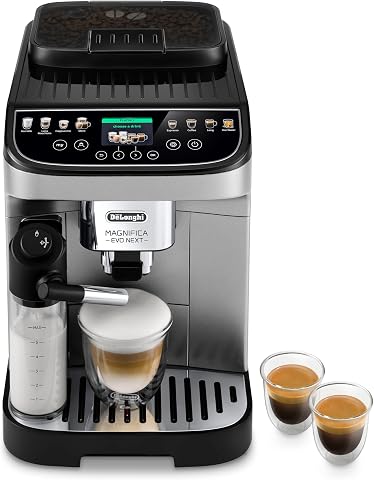
De’Longhi Magnifica Evo Next Fully Automatic Espresso Ma
- ✔ Power: 1450W
- ✔ Voltage: 120V
- ✔ Auto Shutoff: Yes

De’Longhi Replacement Water Filter
- ✔ Filter Type: Activated carbon
- ✔ Capacity: 50 liters
- ✔ Ease of Use: Simple twist-in installation
De’Longhi Magnifica Evo Next Fully Automatic Espresso Ma
The De’Longhi Magnifica Evo Next offers a comprehensive espresso experience with its programmable features, built-in grinder, and milk frother. It’s designed for convenience and quality, making it a top choice for coffee lovers.
Pros:
- Versatile drink options with one-touch recipes
- Built-in grinder with 13 settings
- Automatic milk frother for lattes and cappuccinos
- Programmable for personalized drinks
Cons:
- Can be complex to clean initially
- Water reservoir can be prone to leaks if not maintained
- Some users report occasional clogging
Best for: Coffee enthusiasts seeking a fully automatic, customizable espresso machine
Not ideal for: Users seeking a simple, manual espresso maker or minimal maintenance
Bottom line: A versatile and high-performing espresso machine with smart features, ideal for coffee lovers who value convenience.
De’Longhi Replacement Water Filter
Replacing your water filter regularly with the De’Longhi Replacement Water Filter helps prevent mineral buildup and leaks, ensuring your espresso machine performs at its best.
Pros:
- Improves water taste
- Reduces lime scale build-up
- Easy to install
- Maintains machine efficiency
Cons:
- Requires replacement every few months
- Additional cost over time
- Needs proper disposal
Best for: Maintaining water quality and preventing leaks in your espresso machine
Not ideal for: If your machine is already heavily scaled or damaged
Bottom line: A simple, effective way to keep your water pure and your machine functioning smoothly.
Frequently Asked Questions
Why is my De’Longhi espresso machine leaking water from the bottom?
Leaking from the bottom could be due to a damaged seal, cracked water tank, or clogged drainage system. Check the water tank for cracks and inspect seals for wear.
How often should I descale my De’Longhi espresso machine?
It’s recommended to descale every 2-3 months, especially if you use hard water. Regular descaling prevents mineral buildup that can cause leaks and performance issues.
Can replacing the water filter help prevent leaks?
Yes, using a high-quality water filter like the De’Longhi Replacement Water Filter can reduce mineral deposits and help keep internal components free from blockages that cause leaks.
What should I do if the water tank is cracked?
If the water tank is cracked, it needs to be replaced. Contact De’Longhi support or purchase an original replacement part to ensure proper fit and function.
Is it safe to fix leaks myself?
Yes, if you follow proper safety procedures—unplugging the machine and working carefully. However, if you’re uncertain or the leak persists, professional servicing is recommended.
Maintaining a Leak-Free Espresso Experience
Water leaks in your De’Longhi espresso machine are often manageable with routine inspection and maintenance. Regularly checking seals, replacing filters, and descaling can prevent most common issues. If leaks persist despite these steps, professional repair may be necessary to keep your machine performing at its best. Taking proactive care ensures you enjoy delicious coffee without the mess or frustration of leaks.
Affiliate disclosure: As an Amazon Associate we earn from qualifying purchases. Prices and availability are accurate as of the time of publishing.
NFL season / tailgating Picks
team gear
As an affiliate, we earn on qualifying purchases.