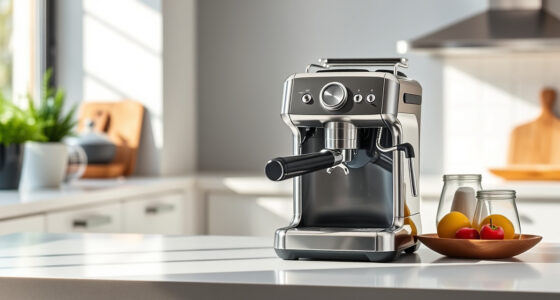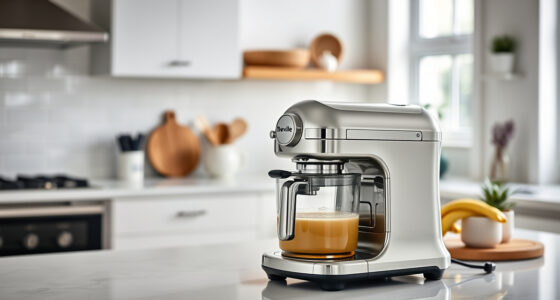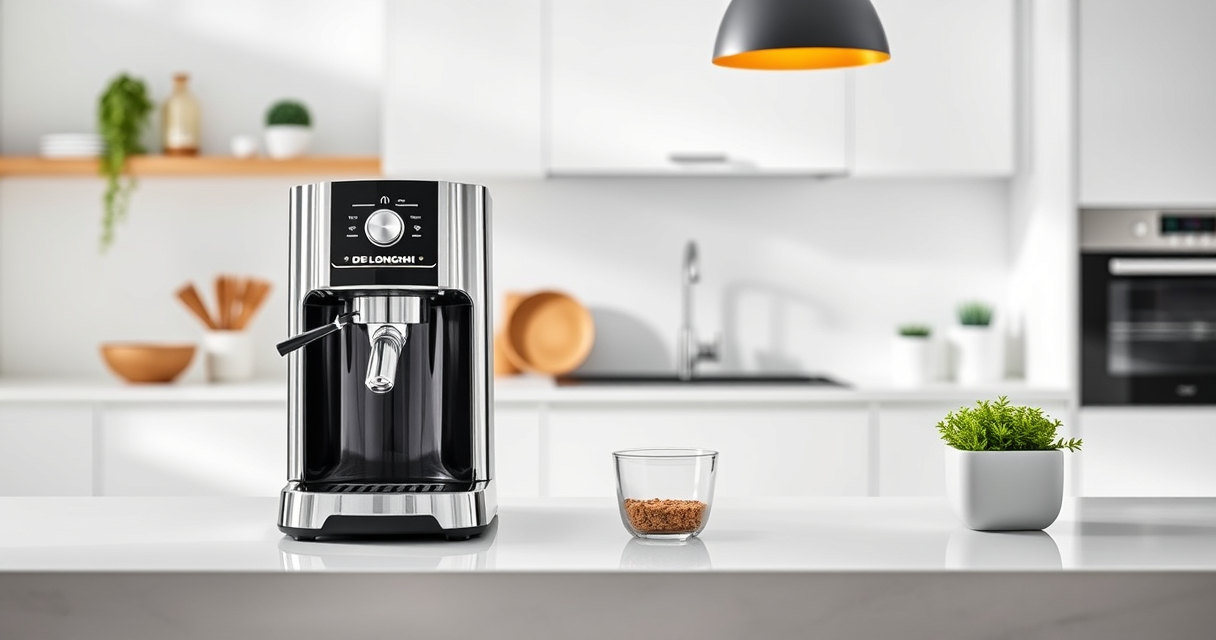

If your De’Longhi Magnifica Evo or similar model is leaking water, it can disrupt your coffee routine and cause inconvenience. Water leaks are usually fixable with some basic troubleshooting and maintenance. This guide walks you through the most common causes and how to resolve them safely and effectively.
Before starting, ensure your machine is unplugged and cooled down to avoid any risk of injury or damage. Regular maintenance, such as descaling and replacing filters, can also prevent leaks from occurring in the first place.
Key Takeaways
| Identify the leak source | Check hoses, seals, and water tank for cracks or loose fittings. |
| Check water tank & connections | Ensure the tank is properly seated and the connections are secure. |
| Inspect internal components | Look for damaged seals or worn gaskets that may cause water to leak. |
| Perform regular descaling | Limescale buildup can lead to blockages and leaks; use a descaling solution. |
| Replace faulty parts | Use genuine replacement parts like the water filter or seals for best results. |

De'Longhi Magnifica Evo Next Automatic Espresso Machine, Frother, Silver
- Top-Rated US Espresso Machine: Number one super automatic in the US
- 13 One-Touch Drink Options: Espresso, Latte, Cappuccino, and more
- Built-In Conical Burr Grinder: 13 grind settings for optimal extraction
As an affiliate, we earn on qualifying purchases.
Step 1: Turn Off and Unplug the Machine
Before troubleshooting, turn off your De’Longhi espresso machine and unplug it from the power source. Allow it to cool completely to prevent burns or damage.
Step 2: Empty and Remove the Water Tank
- Remove the water tank carefully from the machine.
- Check for any cracks or damages in the tank and its lid.
- Ensure the tank is seated properly when reinserting.
Step 3: Inspect for Leaks and Loose Fittings
- Examine all visible hoses and connections for cracks, holes, or loose fittings.
- Ensure the water tank’s inlet and outlet are properly secured.
Step 4: Check Seals and Gaskets
Inspect internal seals and gaskets, especially around the water inlet and internal components. Replace any worn or damaged seals with genuine parts.
Step 5: Descale and Clean the Machine
Use a descaling solution like the De’Longhi EcoDecalk Descaler to remove mineral deposits that may cause blockages and leaks. Follow the manufacturer’s instructions for safe use.
The Products in This Guide
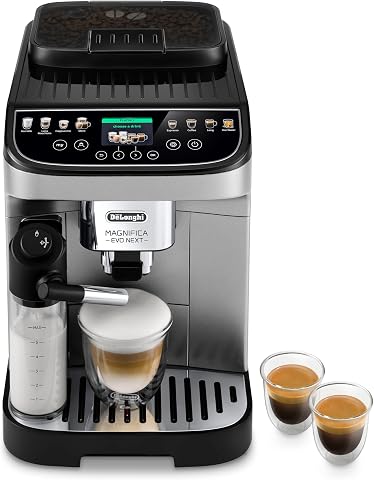
De’Longhi Magnifica Evo Next Fully Automatic Espresso Ma
- ✔ Weight: 23.6 pounds
- ✔ Voltage: 120V
- ✔ Warranty: 1 year

De’Longhi Replacement Water Filter
- ✔ Filter Type: Activated Carbon
- ✔ Dimensions: Standard cartridge size
- ✔ Shelf Life: Up to 3 months
De’Longhi Magnifica Evo Next Fully Automatic Espresso Ma
<p>The De’Longhi Magnifica Evo Next Fully Automatic Espresso Machine is a versatile and reliable machine, but leaks can occur due to clogged or damaged parts. Regular maintenance and using quality replacement filters can extend its lifespan and prevent leaks.</p>
Pros:
- Built-in grinder with 13 settings
- Automatic milk frother
- Programmable drinks
Cons:
- Can leak if seals are worn
- Requires regular descaling
- Water tank can be heavy
Best for: Home users who want a fully automatic espresso experience
Not ideal for: Users seeking a manual espresso machine or minimal maintenance
Bottom line: A top-tier espresso machine that benefits from regular maintenance to prevent leaks.
De’Longhi Replacement Water Filter
<p>The De’Longhi Replacement Water Filter helps prevent mineral buildup and leaks by ensuring clean water flows through your machine. Easy to install and replace regularly, it supports optimal performance.</p>
Pros:
- Improves water taste
- Prevents lime scale
- Easy to install
Cons:
- Needs replacement every 2-3 months
- Additional cost over time
Best for: Maintaining water quality and preventing leaks
Not ideal for: If your machine is leaking due to damaged seals or internal parts
Bottom line: Using a genuine water filter can significantly reduce leak risks caused by mineral deposits.
Frequently Asked Questions
Why is my De’Longhi espresso machine leaking water?
Leaks often occur due to cracked seals, loose fittings, mineral buildup, or damaged water tanks. Regular maintenance can prevent most issues.
How often should I descale my espresso machine?
Descaling frequency depends on water hardness, but generally every 2-3 months is recommended to prevent mineral deposits that cause leaks.
Can I fix internal leaks myself?
Yes, if you are comfortable with basic appliance repair. Replace worn seals or gaskets and clean internal components. For complex issues, consult a professional.
What parts should I replace if my machine keeps leaking?
Check and replace seals, gaskets, or the water tank if damaged. Using genuine parts ensures compatibility and safety.
Keep Your Espresso Flowing Smoothly
By carefully inspecting connections, seals, and performing regular descaling, you can effectively troubleshoot and fix water leaks in your De’Longhi espresso machine. Maintenance not only prevents leaks but also ensures delicious coffee every time.
Affiliate disclosure: As an Amazon Associate we earn from qualifying purchases. Prices and availability are accurate as of the time of publishing.