
Interval training alternates intense efforts with recovery, helping you burn more calories, improve cardiovascular fitness, and build endurance in less time. It’s effective because it pushes your muscles and heart harder than steady-state workouts, boosting the afterburn effect and fat loss. To get started, warm up, choose activities like running or cycling, and begin with manageable ratios like 30 seconds effort, 1-minute rest. Keep progression gradual — if you want to learn how to maximize results, keep exploring further.
Key Takeaways
- Interval training alternates intense effort with recovery, boosting cardiovascular fitness and fat loss efficiently.
- It burns more calories post-workout through the afterburn effect, enhancing fat-burning results.
- Beginners should start with a 1:2 work-to-rest ratio and gradually increase intensity and duration.
- Using effort levels of 80-90% during high-intensity intervals maximizes benefits safely.
- Incorporate warm-up, cool-down, and varied interval techniques to stay motivated and prevent injury.

Have you ever wondered how to maximize your workout in less time? If so, interval training might be just what you need. This approach involves alternating periods of high-intensity effort with active recovery or rest, allowing you to push yourself harder during short bursts. The benefits of interval training are numerous; it boosts cardiovascular fitness, accelerates fat loss, and improves overall endurance, all while saving you time compared to traditional steady-state workouts. Plus, it keeps things interesting, preventing boredom and helping you stay motivated. Whether you’re a beginner or an experienced athlete, mastering interval training techniques can elevate your fitness game.
One of the main interval training benefits is its efficiency. Instead of spending hours on a treadmill or bike at a consistent pace, you alternate between intense and moderate efforts. For example, sprinting for 30 seconds followed by a minute of walking engages your muscles and cardiovascular system more intensely than steady-state exercise. This variation challenges your body in new ways, leading to better adaptations in a shorter period. additionally, this method can help you burn more calories even after your workout ends, thanks to the afterburn effect, or excess post-exercise oxygen consumption (EPOC). That means you keep burning calories long after you’ve finished, making your workout even more effective.
To get started with interval training, you’ll want to learn some simple interval training techniques. Begin with a warm-up to prepare your muscles and heart for activity. Once you’re ready, choose an activity like running, cycling, or swimming. For beginners, start with a ratio of 1:2—such as 20 seconds of intense effort followed by 40 seconds of recovery. As you become more comfortable, you can increase the intensity and duration of your high-effort intervals or decrease the recovery time. It’s important to listen to your body and avoid overexertion, especially when you’re just starting out. Keep your effort levels high during the work intervals, aiming for about 80-90% of your maximum effort, but stay within a safe zone. As you progress, you can incorporate more advanced interval training techniques like Tabata, which involves 20 seconds of all-out effort followed by 10 seconds of rest repeated for four minutes, or Pyramid intervals that gradually increase and then decrease the work and rest periods.
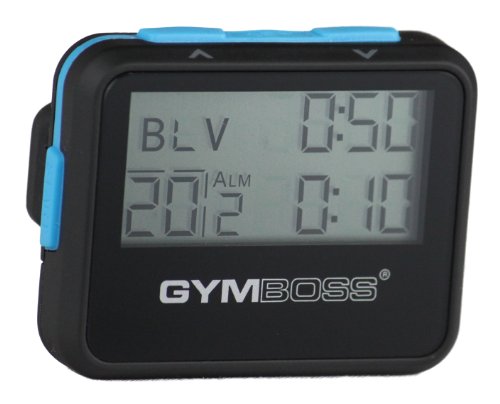
Gymboss Interval Timer and Stopwatch – Black/Blue SOFTCOAT
Compact interval timer times one or two intervals between two seconds and 99 minutes.
As an affiliate, we earn on qualifying purchases.
As an affiliate, we earn on qualifying purchases.
Frequently Asked Questions
Can Beginners Safely Do Interval Training Without Prior Experience?
Yes, beginners can safely do interval training with proper precautions. Focus on beginner safety by starting with lower intensity and shorter intervals. Use training modifications, such as walking instead of running or reducing the workout duration, to prevent injury. Always listen to your body and gradually increase intensity. Consulting a fitness professional can help you create a safe, effective plan tailored to your fitness level.
How Often Should I Incorporate Interval Training Into My Weekly Routine?
Think of your weekly routine as a balanced diet—adding interval training in moderation. Aim for 2-3 sessions per week, adjusting based on your fitness level. This training frequency helps you maximize benefits while preventing injury. Remember, overdoing it can lead to setbacks, so listen to your body and allow recovery time. Consistency is key, but so is smart planning to keep you injury-free and progressing.
What Are the Best Types of Exercises for Interval Training?
You should choose cardio options like running, cycling, or swimming for interval training. Incorporate strength variations such as bodyweight exercises, kettlebell swings, or jump squats to add variety and boost muscle engagement. Mixing different exercises keeps your routine fresh and challenges your body in new ways. Focus on high-intensity bursts followed by recovery periods, ensuring you target different muscle groups and improve both cardiovascular fitness and strength.
How Long Should Each Interval Last for Optimal Results?
For ideal results, aim for interval durations of 30 seconds to 1 minute, depending on your fitness level and goals. Shorter intervals, like 30 seconds, boost speed and power, while longer ones, up to a minute, enhance endurance. The perfect timing balances effort and recovery, so listen to your body. Typically, 1:1 work-to-rest ratio works well, but adjust based on your intensity and experience to maximize benefits.
Are There Any Health Conditions That Contraindicate Interval Training?
You should be cautious if you have medical restrictions or a high cardiovascular risk. Certain health conditions, like heart disease or uncontrolled hypertension, can make interval training dangerous. Always consult your doctor before starting, as intense bursts may strain your heart or worsen your condition. Ignoring these risks could lead to serious health issues. Your safety depends on understanding your limits and getting professional advice first.

Cycling:HIIT Bike Training: A Simple Proven Guide to Getting Faster & Stronger Using High Intensity Interval Bike Workouts Today
As an affiliate, we earn on qualifying purchases.
As an affiliate, we earn on qualifying purchases.
Conclusion
So, here you are, ready to conquer interval training—despite thinking it’s just a fancy fad. Ironically, pushing yourself harder in short bursts might be the easiest way to enjoy your workout and see real results. Instead of endless miles, you’ll be sprinting, resting, and feeling unstoppable. Who knew that a little alternating effort could turn your fitness routine from a chore into the highlight of your day? Now, go ahead, prove the skeptics wrong—one interval at a time.
Gymboss Interval Timer and Stopwatch – Black/Blue SOFTCOAT
Compact interval timer times one or two intervals between two seconds and 99 minutes.
As an affiliate, we earn on qualifying purchases.
As an affiliate, we earn on qualifying purchases.

NewMe Fitness Journal for Women/Men, Food & Workout Journal, Planner Log book to Track Weight Loss, Muscle Gain, Gym Bodybuilding Progress, Daily Personal Health Tracker – 1 Pack (Fitness & Nutrition)
Goal-Focused Health Journal: Track your daily workouts for 2+ months by keeping close tabs on health and wellness…
As an affiliate, we earn on qualifying purchases.
As an affiliate, we earn on qualifying purchases.