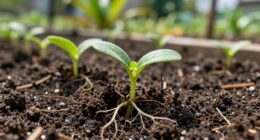
To make your farming more resilient, adopt climate-smart techniques that strengthen soil health and improve water management. Use crop rotation, cover cropping, and reduced tillage to boost soil structure and microbial diversity. Implement efficient water systems like drip irrigation and rainwater harvesting, along with mulching to conserve moisture. Combining these practices helps prevent erosion, enhance water retention, and adapt to weather changes. Keep exploring to discover how these methods can secure a sustainable farm future.

Get home appliances delivered free — and shop member deals
- Fast, free delivery on millions of items
- Access to Prime Big Deal Days deals on October 6–7
- Prime Video, Amazon Music and more included
Key Takeaways
- Implement crop rotation, cover cropping, and reduced tillage to enhance soil health and resilience.
- Use water-efficient techniques like drip irrigation and rainwater harvesting to optimize water use.
- Combine soil management and water conservation practices to improve infiltration, retention, and reduce erosion.
- Adopt mulching and monitoring to maintain soil moisture and prevent drought stress.
- Build climate resilience by integrating sustainable soil and water strategies for stable yields amid climate variability.

Have you ever wondered how farming can adapt to the changing climate while guaranteeing food security? The answer lies in adopting climate-smart agricultural practices that bolster resilience and sustainability. Central to this approach is maintaining healthy soil, which acts as the foundation of productive farming. Healthy soil isn’t just about nutrient content; it involves enhancing soil structure, increasing organic matter, and supporting diverse microbial life. When soil health improves, it can better retain moisture during droughts, resist erosion, and recover more quickly after extreme weather events. As a farmer, you can boost soil health by using crop rotation, cover cropping, and reduced tillage. These practices prevent soil degradation, enrich organic matter, and foster a thriving ecosystem beneath your feet. By prioritizing soil health, you create a resilient environment that can withstand climate stresses and maintain high yields over time. Incorporating aquatic ecosystems into your land management can further enhance soil and water interactions, promoting overall farm resilience.
Water management is another crucial piece of the puzzle. Climate change often brings unpredictable rainfall patterns, droughts, and floods, so efficient water use becomes essential. You should implement strategies that optimize water use, such as drip irrigation or rainwater harvesting, which deliver water directly to plants’ roots and minimize waste. Mulching can also help retain soil moisture, reducing evaporation and ensuring your crops stay hydrated during dry spells. Additionally, monitoring soil moisture levels regularly allows you to make informed decisions about when and how much to irrigate, preventing both overwatering and drought stress. Proper water management not only conserves this precious resource but also stabilizes crop production amid weather fluctuations. It ensures your farm remains productive, even when water availability becomes uncertain.
Integrating soil health and water management practices creates a powerful synergy that enhances your farm’s resilience. Healthy soil improves water infiltration and retention, reducing runoff and erosion, while efficient water use supports soil vitality by preventing waterlogging or drought stress. These techniques are not only environmentally sustainable but also economically beneficial, as they lower input costs and increase crop stability. By focusing on these fundamental elements, you’re effectively preparing your farm for the impacts of climate change. You’re building a system that can adapt to unpredictable weather, safeguard your productivity, and contribute to global food security. Embracing soil health and water management isn’t just good farming; it’s essential for creating a resilient agricultural future that can thrive in the face of climate uncertainty.
drip irrigation system for farms
As an affiliate, we earn on qualifying purchases.
As an affiliate, we earn on qualifying purchases.
Frequently Asked Questions
How Can Smallholder Farmers Access Climate-Smart Technology?
You can access climate-smart technology by participating in farmer education programs that teach you about innovative practices. Look for government initiatives, NGOs, or local cooperatives focused on technology dissemination, which often provide training and resources. Engaging with these organizations helps you stay informed about new tools and techniques, making it easier to adopt climate-smart solutions that improve your resilience and productivity in changing weather conditions.
What Policies Support Climate-Smart Agriculture Adoption?
Imagine a small farmer in Kenya benefiting from policy incentives that encourage climate-smart practices. Governments can support adoption through regulatory frameworks that offer financial incentives, technical assistance, and training programs. These policies reduce risks and costs, making it easier for farmers to implement resilient techniques. When such supportive policies exist, farmers are more likely to adopt climate-smart agriculture, helping them adapt to climate change and boost productivity sustainably.
How Does Climate-Smart Agriculture Impact Local Biodiversity?
Climate-smart agriculture boosts local biodiversity by promoting agrodiversity preservation, which maintains a variety of crops and native species. You’ll also enhance habitat connectivity, allowing wildlife to move freely between habitats and thrive. These practices reduce environmental stress, support pollinators, and conserve ecosystems. As a result, you create a resilient farming system that benefits both your land and the surrounding natural habitats, ensuring long-term sustainability.
Are There Specific Crops Better Suited for Climate-Smart Techniques?
Certain crops are better suited for climate-smart techniques, especially those with high crop suitability and resilience. You should focus on resilient varieties that tolerate drought, floods, or pests, ensuring stable yields. Crops like millet, sorghum, and drought-tolerant beans often perform well under these practices. By selecting resilient varieties, you maximize productivity while adapting to changing climatic conditions, making your farming more sustainable and resilient in the long run.
What Funding Options Are Available for Climate-Smart Farming Projects?
You can access various funding options like financial incentives and grant programs to support your climate-smart farming projects. These options help reduce costs, encourage sustainable practices, and boost resilience. Look into government initiatives, international aid, and environmental organizations that offer grants or subsidies. By applying for these programs, you can secure the resources needed to implement innovative techniques, improve your farm’s sustainability, and adapt more effectively to climate challenges.
Conclusion
By adopting climate-smart agriculture, you can boost resilience and secure your farm’s future. Imagine reducing greenhouse gases by up to 20%, making your land more sustainable and productive. This approach not only helps combat climate change but also guarantees you’re prepared for unpredictable weather. Embrace these techniques today, and you’ll cultivate a healthier, more resilient farm that benefits both your livelihood and the planet. Together, you can make a lasting, positive impact.
Fall yard work Picks
leaf blowers
As an affiliate, we earn on qualifying purchases.