
Solar cooking harnesses the sun’s energy to prepare outdoor meals in an eco-friendly and cost-effective way. You can use solar ovens that trap and retain heat, reducing reliance on traditional fuels and cutting your carbon footprint. By optimizing reflectors, positioning during peak sunlight, and preheating, you can improve efficiency and cooking times. If you keep exploring, you’ll discover tips to enhance your solar cooking experience and enjoy sustainable outdoor meals with ease.
Key Takeaways
- Solar cooking uses sunlight to prepare meals, offering an eco-friendly and cost-effective outdoor cooking method.
- Proper positioning and reflector adjustments maximize solar energy absorption and improve cooking efficiency.
- Insulating and covering food with transparent lids retain heat, reducing cooking time and ensuring thorough preparation.
- Portable and lightweight, solar ovens are ideal for outdoor activities like camping and backyard gatherings.
- Utilizing solar cookers reduces reliance on fossil fuels, lowering carbon footprint and promoting sustainable living.

Solar cooking harnesses the power of the sun to prepare meals, offering an eco-friendly alternative to traditional methods. When you choose solar ovens, you’re tapping into a clean, renewable energy source that reduces your carbon footprint and promotes sustainable cooking practices. The key to making the most of this method lies in understanding solar oven efficiency. A well-designed solar oven captures and retains heat effectively, ensuring your food cooks thoroughly without needing electricity or fuel. This efficiency depends on factors like insulation, reflectivity, and the angle of the solar collector. By optimizing these elements, you can achieve faster cooking times and more consistent results, making solar cooking a practical choice even in less-than-ideal weather conditions.
Embracing solar cooking means you’re actively participating in a sustainable lifestyle. Since it relies solely on sunlight, you eliminate the emissions associated with gas or electric cooking appliances, helping to conserve natural resources. Plus, solar ovens are portable, lightweight, and easy to set up, making them perfect for outdoor adventures, camping trips, or even backyard cooking. With minimal maintenance and no fuel costs, solar cooking becomes an economical and environmentally responsible way to prepare meals. You’re not just saving money—you’re also reducing waste and pollution, which benefits the planet in the long run.
Solar cooking is eco-friendly, portable, and cost-effective—perfect for outdoor adventures and sustainable living.
To maximize efficiency, you should position your solar oven where it receives the most sunlight during the peak hours of the day. Adjusting the angle of the reflectors or the oven itself ensures it captures the maximum amount of solar energy. Covering the food with a transparent glass or plastic lid helps trap heat and prevents heat loss, further improving cooking performance. Preheating the oven before placing food inside guarantees that you’re utilizing the full potential of the sun’s energy. Remember, patience is key; solar cooking often takes longer than conventional methods, but the trade-off is worth it because you’re cooking sustainably and cleanly.
Incorporating solar cooking into your routine helps you reduce dependence on fossil fuels and fosters a more environmentally conscious lifestyle. As you get familiar with your solar oven’s capabilities, you’ll discover how to tweak positioning and cooking times for ideal results. Solar oven efficiency varies based on weather, season, and location, but with practice, you’ll find it becomes a reliable, eco-friendly way to prepare healthy, delicious meals outdoors. Utilizing gears and mechanical elements in the design of some solar ovens can further improve heat capture and distribution. Not only do you enjoy the process of cooking with sunlight, but you also contribute to a greener planet, one meal at a time.

GOSUN Portable Solar Oven Kit for 1-2 Meals | Effortless Outdoor Cooking with Solar Oven Kit | Vacuum Insulated Oven | Cook meals in 20 min, Great For Camping, Travel, Beach etc
Safety First, Always: Experience worry-free cooking with our Solar Oven Kit, designed to keep you safe while indulging…
As an affiliate, we earn on qualifying purchases.
As an affiliate, we earn on qualifying purchases.
Frequently Asked Questions
How Effective Is Solar Cooking in Cloudy Weather?
Solar cooking is less effective in cloudy weather because cloud cover reduces sunlight intensity, which is vital for cooking. When the sky is overcast, your solar cooker struggles to reach high temperatures, leading to longer cooking times or incomplete meals. However, if the cloud cover isn’t too thick and sunlight still filters through, you can still cook, just more slowly. For ideal results, sunny, clear days are best for solar cooking.
Can Solar Cookers Be Used to Bake Bread?
Sure, you can bake bread in a solar oven, but don’t expect to become a professional baker overnight. With the right solar oven techniques, you can create crusty loaves under the sun’s watchful eye. Just remember, solar cookers excel in sunlight, so cloudy days might turn your bread baking dreams into a soggy disappointment. Patience, good insulation, and sunny weather are your best friends for perfect solar-baked bread.
What Are the Best Foods to Cook With a Solar Cooker?
You can cook a variety of foods with a solar cooker, especially vegetarian dishes like stews, soups, and casseroles, which benefit from slow, even heat. It’s also great for preparing outdoor snacks such as roasted vegetables or baked potatoes. You’ll find that solar cooking works best with foods that require gentle, sustained heat, making it perfect for healthy, eco-friendly meals while enjoying the outdoors.
How Long Does It Take to Cook a Meal Using Solar Energy?
You’ll find that cooking time in a solar oven varies based on efficiency and weather conditions, typically ranging from 1 to 4 hours. Factors like sunlight intensity, food type, and container insulation influence cooking time variability. On sunny days with a highly efficient solar oven, meals may cook faster, while cloudy days extend the process. Patience is key, but you’ll enjoy eco-friendly, delicious results regardless of the time it takes.
Are Solar Cookers Safe for Indoor Use?
You might wonder if solar cookers are safe for indoor use, and the answer is yes—if you choose the right appliance. Indoor safety depends on proper design and ventilation, so make certain your solar cooker is compatible with indoor environments. When used correctly, it’s a safe, eco-friendly way to cook without fumes or fire hazards, giving you peace of mind while harnessing the sun’s power inside your home.
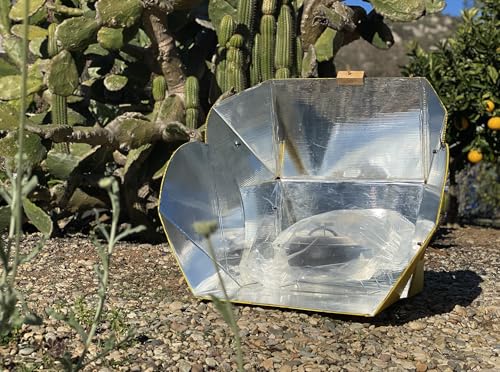
SolCook All Season Solar Cooker – Camping Cookware, Fruit & Food Dehydrator, Camp Stove, Fruit Canning Supplies, Camping Gear, Survival Gear, Emergency Supplies, (17) Camper
ECO-FRIENDLY & EFFICIENT – Save money on fuel by harnessing the power of the sun to cook delicious…
As an affiliate, we earn on qualifying purchases.
As an affiliate, we earn on qualifying purchases.
Conclusion
By using solar cooking, you not only save energy and reduce your carbon footprint but also embrace an innovative way to prepare meals. Did you know that solar ovens can reach temperatures of up to 350°F, comparable to traditional ovens? This impressive statistic highlights how efficient and practical solar cooking truly is. So, next time you plan an outdoor meal, consider harnessing the sun’s power—you’ll enjoy delicious food while contributing to a healthier planet.

Solar Raised Pavement Marker High Brightness IP68 Waterproof Solar Powered Reflector Road Solar Blinker Light for Anti-diecast Aluminum Protruding Signs Safety Warning 8PCS (Yellow)
Automatically starts to work when night falls or with the onset of inclement weather energy saving. The LED…
As an affiliate, we earn on qualifying purchases.
As an affiliate, we earn on qualifying purchases.

Teenyyou 2 Pack Portable Foldable Solar Oven & Solar Cooker | Mini Camp Stove with Sun-powered Heating | Outdoor Cookware for Food Reheating & Compost Acceleration
Product includes: The product includes 2 sets green of camping ovens portable, which use sunlight to cook or…
As an affiliate, we earn on qualifying purchases.
As an affiliate, we earn on qualifying purchases.