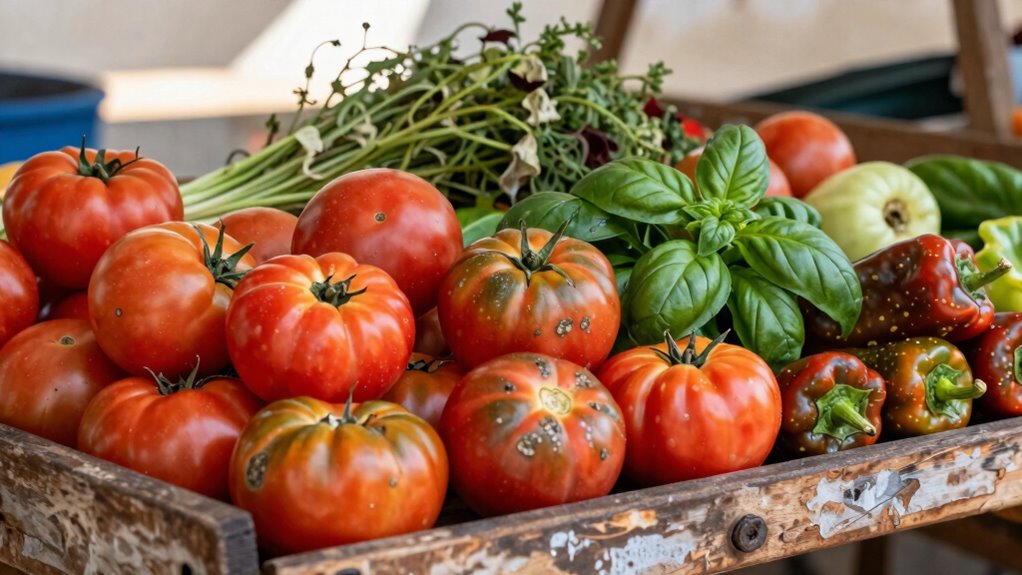
You might think local food systems are resilient, but they’re more fragile than they seem. They rely heavily on complex supply chains, which can be disrupted by strikes, fuel shortages, or equipment failures. Climate change worsens this by causing extreme weather that damages infrastructure and crops, making yields unpredictable. Seasonal limits and low crop diversity reduce flexibility, while interconnected dependencies mean a small disruption can cascade quickly. Understanding these hidden vulnerabilities helps you see why local food systems need careful support to stay resilient.

Get home appliances delivered free with Prime
- Fast, free delivery on millions of items
- Prime Video, Amazon Music and more included
- Member-only deals all year
Key Takeaways
- Local food systems often depend on fragile, complex supply chains susceptible to disruptions like weather events and infrastructure failures.
- Climate change impacts, such as droughts and floods, threaten local crop yields and infrastructure, increasing vulnerability.
- Limited crop diversity in local systems reduces adaptability and resilience to environmental shocks.
- Cascading failures in local networks can quickly escalate, affecting availability and market stability.
- Assumptions of independence overlook external dependencies and climate sensitivities, underestimating true system fragility.
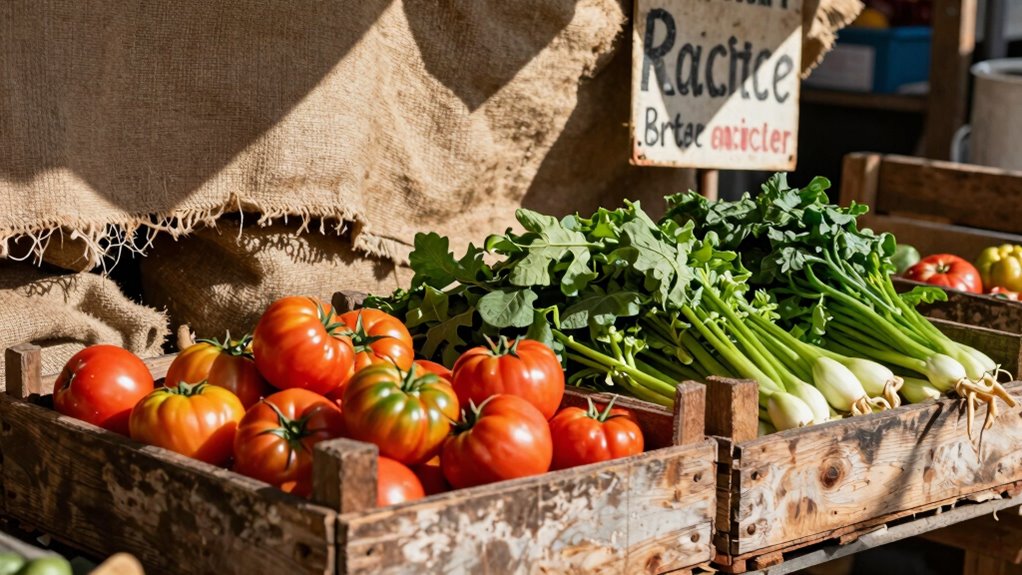
Have you ever considered how fragile our local food systems truly are? It’s easy to assume that local farms and markets are resilient because they’re close to home, but beneath that familiarity lies a complex web of vulnerabilities. One of the biggest threats comes from supply chain vulnerabilities, which can be surprisingly delicate. Even when food is produced nearby, it depends on a network of transportation, storage, and distribution that can be easily disrupted. A single breakdown—such as a transportation strike, fuel shortage, or equipment failure—can halt supply, leaving shelves empty and producers scrambling. These vulnerabilities aren’t always obvious because local systems often seem straightforward, but they rely heavily on external factors that can shift suddenly and unpredictably. Additionally, the complexity of supply chains makes them inherently fragile, especially when external shocks occur unexpectedly. Recognizing how interconnected these systems are can help in developing strategies to mitigate these risks. Furthermore, the increasing frequency of extreme weather events driven by climate change amplifies these vulnerabilities, making resilience even more crucial. Adding to this fragility is the increasing impact of climate change. While local farms may seem more sustainable, they’re still vulnerable to climate impacts like droughts, floods, and heatwaves. These extreme weather events can wipe out entire crops in a matter of days, forcing farmers to face unpredictable yields and financial instability. Such climate-related disruptions don’t just affect the farms; they ripple through the entire local food system. If a drought destroys a key crop, local markets might struggle to meet demand, forcing communities to rely on distant sources or face shortages. Conversely, floods can damage infrastructure, washing away roads, storage facilities, and even farmland. The very climate impact that threatens global food security also directly jeopardizes local food production, exposing its fragility in real time. Understanding these vulnerabilities is essential for creating climate-resilient local food networks. Moreover, local food systems often depend on seasonal patterns and limited crop varieties, making them even more susceptible to sudden shocks. When climate impacts alter growing seasons or reduce biodiversity, farmers have fewer options to adapt quickly. The importance of crop diversity cannot be overstated, as it provides a buffer against such shocks. As a result, local producers may find themselves unable to respond effectively, leading to decreased availability and higher prices. This interconnectedness means that a disruption in one part of the system can cascade rapidly, revealing just how fragile these seemingly resilient networks are. You might think that buying local strengthens your community’s independence, but in reality, the dependence on fragile supply chains and climate-sensitive agriculture makes local food systems more vulnerable than they appear. Recognizing this vulnerability is the first step toward building more resilient, adaptable local food networks that can withstand these mounting challenges.
food storage containers with climate resistance
As an affiliate, we earn on qualifying purchases.
As an affiliate, we earn on qualifying purchases.
Frequently Asked Questions
How Do Local Food Systems Impact Urban Areas Differently?
You’ll notice that local food systems impact urban areas by fostering community engagement and strengthening supply chain diversity. When you support local farms, you help build stronger connections within your community, encouraging collaboration and awareness. This also makes the supply chain more resilient, as relying on diverse local sources reduces vulnerabilities caused by global disruptions. Ultimately, a vibrant local food system helps urban areas become more sustainable and self-reliant.
What Role Do Climate Change and Weather Events Play?
Climate change and weather events act like unpredictable storms, testing your local food system’s resilience. You need to prioritize climate adaptation by diversifying crops and strengthening infrastructure to withstand extreme weather. These events threaten food security, making weather resilience essential. By preparing for unpredictable weather, you help guarantee your local food system remains stable, even when nature throws its worst at you.
Are There Economic Benefits to Strengthening Local Food Systems?
Strengthening local food systems boosts your economic resilience by creating jobs and supporting local businesses. It also enhances supply chain stability, making it easier to access fresh, affordable food during disruptions. By investing in local farms and markets, you reduce dependence on distant sources, lowering transportation costs and vulnerability to global shocks. This approach fosters a self-sufficient community, ensuring economic stability and food security even during unforeseen challenges.
How Do Local Food Systems Adapt to Technological Advancements?
You can adapt local food systems to technological advancements by embracing innovation and addressing technological barriers. This involves adopting new tools like digital marketing, online ordering platforms, and farm management software. To close innovation gaps, you should invest in training and infrastructure upgrades, ensuring farmers and vendors stay competitive. Embracing technology enables your local food system to become more resilient, efficient, and better connected to meet consumer needs.
What Policies Can Support the Resilience of Local Food Systems?
Think of local food systems as a garden needing careful tending. You can support their resilience through policies that strengthen the supply chain and offer policy incentives for local producers. These policies act like water and nutrients, helping the garden thrive despite storms. By investing in infrastructure and fostering community support, you guarantee the system remains robust, adaptable, and less vulnerable to disruptions, keeping your local food landscape healthy and resilient.
Conclusion
You might think your local food system is sturdy as a rock, but it’s actually more fragile than a house of cards in a hurricane. One disrupted harvest or sudden transportation delay can unravel the entire network overnight. So, next time you enjoy that fresh, local produce, remember—it’s a delicate web, teetering on the edge of collapse. Protect it, or risk losing it all in a blink.
Cold & flu season Picks
humidifiers
As an affiliate, we earn on qualifying purchases.