
To plan a culinary road trip through Italy’s regional cuisines, start by exploring vibrant local markets like Florence’s Mercato Centrale and Palermo’s Mercato di Ballarò. Sample regional specialties, discover fresh ingredients, and connect with vendors to learn traditional prep methods. Pair local wines with dishes like Tuscany’s Chianti or Piedmont’s Barolo to enhance flavors. Focusing on key regions such as Emilia-Romagna, Campania, and Sicily makes your trip memorable. Keep exploring to uncover more tasty secrets across Italy.
Key Takeaways
- Focus on visiting vibrant local markets in regions like Tuscany, Emilia-Romagna, and Sicily to experience regional ingredients and specialties.
- Incorporate wine tastings with regional dishes, pairing local wines such as Chianti, Barolo, and Grillo for authentic flavors.
- Engage with vendors and artisans to learn traditional food preparation methods and purchase fresh, authentic ingredients.
- Prioritize regions known for their culinary heritage, exploring iconic dishes like pizza in Naples or pasta in Bologna.
- Plan your route to include culinary workshops, tastings, and market visits for an immersive Italy food experience.
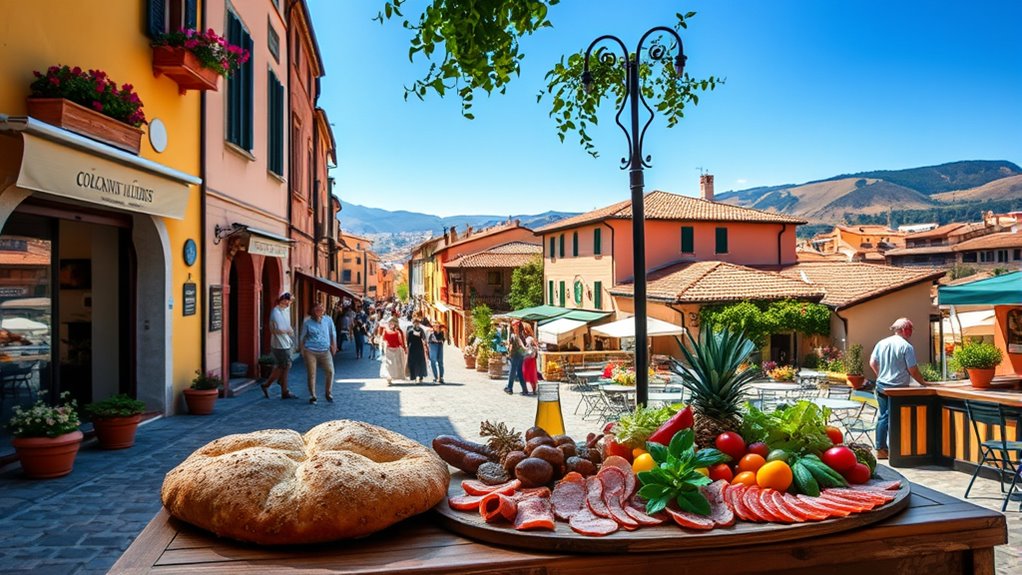
Italy’s rich culinary landscape invites you on a flavorful journey through its diverse regional cuisines. As you plan your culinary road trip, you’ll find that exploring local food markets is essential. These markets are treasure troves of fresh ingredients, regional specialties, and vibrant atmosphere, giving you firsthand insight into each area’s unique food culture. Visiting local markets like Florence’s Mercato Centrale or Palermo’s Mercato di Ballarò will immerse you in authentic flavors and provide inspiration for your culinary adventures.
When it comes to pairing wine with regional dishes, you’ll quickly discover that Italy offers an incredible variety. Each region boasts its own indigenous wines that perfectly complement local cuisine. For example, in Tuscany, you’ll want to sample Chianti alongside hearty pasta dishes or grilled meats. In Piedmont, the rich reds of Barolo or Barbaresco enhance the flavors of truffle-based dishes. Heading south to Sicily, crisp white wines like Grillo or Insolia beautifully balance seafood and citrus-infused fare. As you travel, take time to ask locals or wine shop owners for pairing suggestions—they often have expert recommendations that elevate your tasting experience.
Your journey through Italy’s regional cuisines is also about understanding the local food traditions. In Emilia-Romagna, you’ll indulge in authentic Parmigiano-Reggiano cheese, balsamic vinegar, and delicate pasta like tortellini. Moving to Campania, Naples becomes a must-see for its world-famous pizza and fresh seafood. In the north, the culinary focus shifts toward game, hearty stews, and polenta. Each region’s culinary identity is rooted in local ingredients and customs, so be sure to sample regional specialties wherever you go. This way, you’ll develop an appreciation for the nuanced differences that make Italian cuisine so vibrant.
Sampling food at local markets also allows you to connect with vendors and learn about traditional preparation methods. You might pick up some fresh basil for pesto in Liguria or find the perfect ripe tomatoes for a Caprese salad in Campania. These ingredients, bought directly from passionate farmers and artisans, guarantee your meals are authentic and flavorful. Plus, many markets offer ready-to-eat snacks or street foods, giving you quick bites that highlight regional flavors.
In your planning, prioritize regions known for their culinary heritage and vibrant markets. Whether you’re savoring the wines of Tuscany, the cheeses of Lombardy, or the seafood of Sicily, each stop enriches your understanding of Italy’s culinary diversity. Remember, the key to an unforgettable food trip is engaging with local producers, tasting regional wines, and exploring markets—these experiences will leave you with delicious memories and a deeper appreciation of Italy’s gastronomic treasures. Additionally, paying attention to the colorful presentation of dishes in markets can enhance your appreciation for regional aesthetics and traditions.

Giftory Boston Experience Gift for Two – Culinary Adventures for Foodies – 15+ Unique Boston Food Tours, Cooking Classes & Tastings – No Expiration Voucher
BOSTON CULINARY EXPERIENCES FOR TWO – Choose from 15+ authentic Boston food adventures, including hands-on cooking classes, guided…
As an affiliate, we earn on qualifying purchases.
As an affiliate, we earn on qualifying purchases.
Frequently Asked Questions
How Do I Navigate Language Barriers in Rural Italian Regions?
You can navigate language barriers in rural Italian regions by using translation tips like downloading a language app or carrying a phrasebook. Don’t hesitate to use gesture communication—simple hand signals or pointing can convey your needs effectively. Smile and stay patient; locals appreciate your effort. Learning a few basic phrases in Italian shows respect and makes interactions smoother, helping you enjoy authentic experiences and connect more deeply with the community.
What Are the Best Local Markets to Visit for Authentic Ingredients?
Imagine vibrant stalls bursting with colorful produce, fragrant herbs, and fresh cheeses—this is where authentic ingredient sourcing begins. For local market tips, visit Florence’s Mercato Centrale, Rome’s Campo de’ Fiori, and Bologna’s Quadrilatero. These markets offer genuine Italian flavors, bustling with local vendors enthusiastic to share their treasures. Immerse yourself in these lively spaces, ask questions, and embrace the sensory experience to truly connect with Italy’s regional culinary soul.
Are There Any Regional Food Festivals Worth Timing My Trip For?
You should definitely time your trip to catch regional food festivals and seasonal culinary events, as they offer authentic experiences. In Tuscany, visit the Chianti Classico Wine Festival in September, and in Sicily, enjoy the Festa di San Giuseppe in March. These festivals highlight local specialties, traditional dishes, and seasonal ingredients, giving you an immersion into Italy’s rich culinary heritage. Planning around these events ensures you taste the best regional flavors.
How Can I Find Family-Run Restaurants Versus Tourist Spots?
Sure, because everyone loves the thrill of dining where tourists rarely go! To find family-run restaurants, immerse yourself in local restaurant reviews and ask locals for hidden gems. Culinary tour guides often highlight authentic spots away from the crowds. Trust those reviews and recommendations—if it feels like a well-kept secret, you’re probably onto something. Skip the tourist traps and indulge in genuine Italian flavors you won’t forget.
What Is the Etiquette for Participating in Local Cooking Classes?
When participating in local cooking classes, you should respect cultural sensitivities by being polite and attentive. Dress appropriately, following the dress code etiquette, which usually means modest clothing and closed-toe shoes. Listen carefully to instructions, ask questions politely, and thank your hosts afterward. Remember to avoid making assumptions about local customs and show genuine appreciation for their culinary traditions, fostering a respectful and enriching experience.

TIMBER TASTE® Italian Spice Gift Set for Men – 5 Gourmet Italian Seasoning Blends from Italy | Artisan Basket for Him | Pasta & Pizza Cooking Set | Mediterranean Flavors | Foodie Present for Men
GIVE A GIFT THAT STANDS OUT – This italian seasoning gift set features 5 handcrafted cooking spices &…
As an affiliate, we earn on qualifying purchases.
As an affiliate, we earn on qualifying purchases.
Conclusion
By the end of this journey, you’ll have tasted so much of Italy’s regional magic that your taste buds will dance wildly, and your memories will be coated in an irresistible symphony of flavors. You’ll carry stories of bubbling risottos, sun-soaked tomatoes, and endless pasta mountains, all etched into your soul forever. This isn’t just a trip—it’s an epic adventure where every bite promises to rewrite your love for Italian cuisine in ways you never imagined.
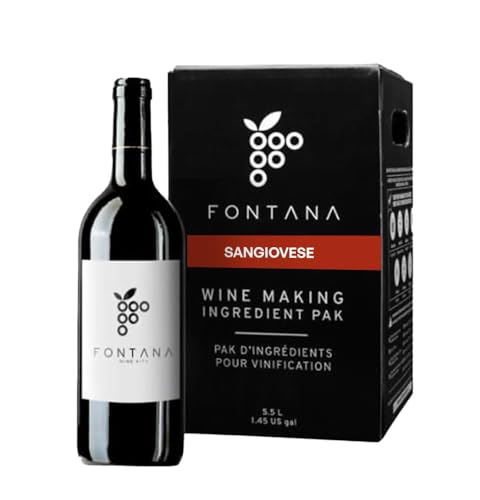
Fontana Italian Sangiovese Wine Kit Ingredients – 6 Gallon DIY Kit – Makes 30 Bottles of Wine
ITALIAN SANGIOVESE WINE KIT: Modern in style, this velvety wine has floral aromas of toast, licorice, dark fruit…
As an affiliate, we earn on qualifying purchases.
As an affiliate, we earn on qualifying purchases.

MARCATO Made in Italy Atlas 150 Classic Manual Pasta Maker Machine, Chrome Steel with Black Hand Crank. Makes Lasagna, Fettuccine & Tagliolini.
Material Type: Nickel-Plated Steel, Chrome-Plated Steel, ABS
As an affiliate, we earn on qualifying purchases.
As an affiliate, we earn on qualifying purchases.