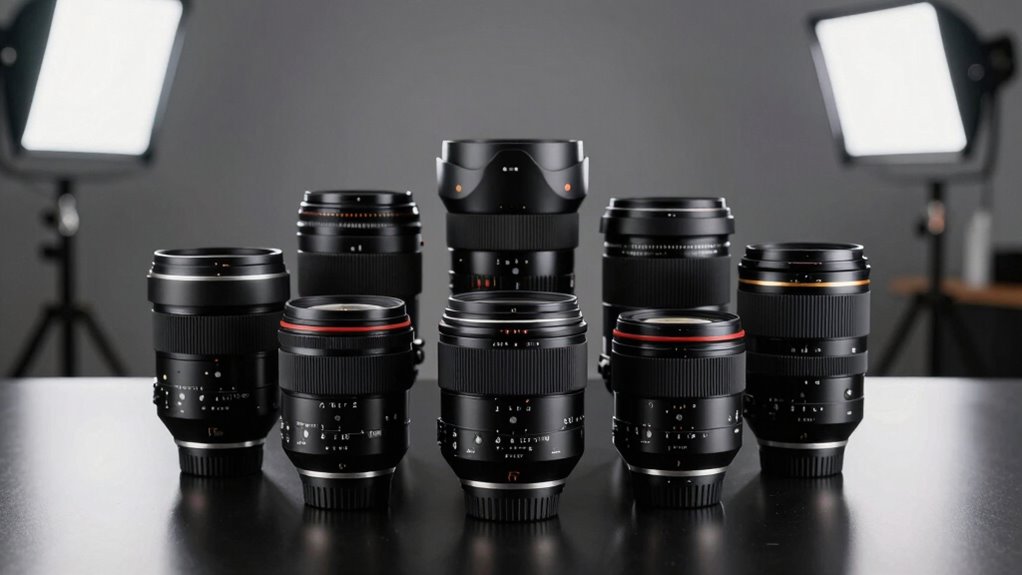

Choosing the right camera lens for indoor filming can significantly impact your video quality, whether you’re creating content for YouTube, streaming, or vlogging. The Canon RF 50mm F1.8 STM stands out as the best overall pick because of its sharpness and low-light performance. For those on a budget, the Canon EF 50mm f/1.8 STM offers excellent quality without breaking the bank, while the Canon RF-S 10-18mm F4.5-6.3 IS STM provides a versatile ultra-wide option for tight spaces. Keep reading for a detailed breakdown of these options and what makes each one unique, along with the key tradeoffs you should consider.

Get home appliances delivered free with Prime
- Fast, free delivery on millions of items
- Prime Video, Amazon Music and more included
- Member-only deals all year
Complete the kit


Key Takeaways
- Wide-angle lenses excel in small indoor spaces but often have narrower apertures, affecting low-light performance.
- Prime lenses like the 50mm F1.8 deliver sharper images and better background blur but lack zoom flexibility.
- Zoom lenses such as the 10-18mm provide versatility in framing but typically come with smaller apertures that can limit indoor lighting options.
- Mirrorless lenses tend to be more compact and lightweight, ideal for handheld filming indoors.
- Price varies significantly; budget lenses can perform well but may lack durability or advanced features of premium options.
| Xenvo Pro Lens Kit for iPhone and Android, Macro and Wide Angle Lens with LED Light and Travel Case | 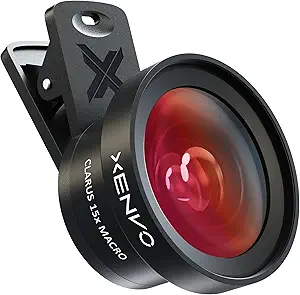 | Best for Versatile Mobile Filming | Compatibility: All smartphones, tablets, and laptops | Wide Angle Lens Focal Length: 4.1 mm | Macro Lens Magnification: 15x | VIEW ON AMAZON | See Our Full Breakdown |
| Canon RF 50mm F1.8 STM Lens for EOS R Series Mirrorless Cameras |  | Best for Portraits and Low-Light Indoor Shooting | Focal Length: 50mm | Aperture: F1.8 | Compatibility: Canon EOS R series | VIEW ON AMAZON | See Our Full Breakdown |
| Canon RF-S 10-18mm F4.5-6.3 IS STM Ultra-Wide-Angle Zoom Lens for Canon EOS APS-C Cameras (Renewed) |  | Best for Wide-Angle Indoor Vlogging | Focal Range: 10-18mm | Maximum Aperture: F4.5-6.3 | Optical Image Stabilization: Yes | VIEW ON AMAZON | See Our Full Breakdown |
| Canon EF 50mm f/1.8 STM Lens for Canon EOS DSLR Cameras |  | Best for Portraits and Artistic Indoor Shots | Focal Length: 50mm | Maximum Aperture: f/1.8 | Minimum Focusing Distance: 1.15 feet | VIEW ON AMAZON | See Our Full Breakdown |
| Canon EF-S 10-18mm f/4.5-5.6 IS STM Lens |  | Best Budget Wide-Angle for Indoor Video | Focal Length: 10-18mm | Maximum Aperture: f/4.5-5.6 | Closest Focusing Distance: 0.72 feet | VIEW ON AMAZON | See Our Full Breakdown |
| Canon RF-S 10-18mm F4.5-6.3 IS STM Ultra-Wide-Angle Zoom Lens for Canon EOS APS-C Cameras | | Best for Interior and Landscape Filming with Compact Versatility | Focal Range: 10-18mm (16-29mm equivalent) | Maximum Magnification: 0.23x in AF mode, 0.5x in MF mode | Optical Design: Optimized for mirrorless cameras | VIEW ON AMAZON | See Our Full Breakdown |
| camera lens for indoor filming | Compatibility | Focal Length | Maximum Aperture |
|---|---|---|---|
| Xenvo Pro Lens Kit for iPhone | All smartphones, tablets, and laptops | — | — |
| Canon RF 50mm F1.8 STM Lens fo | Canon EOS R series | 50mm | — |
| Canon RF-S 10-18mm F4.5-6.3 IS | Canon EOS APS-C | — | F4.5-6.3 |
| Canon EF 50mm f/1.8 STM Lens f | — | 50mm | f/1.8 |
| Canon EF-S 10-18mm f/4.5-5.6 I | — | 10-18mm | f/4.5-5.6 |
| Canon RF-S 10-18mm F4.5-6.3 IS | Canon EOS R Series | — | — |
More Details on Our Top Picks
Xenvo Pro Lens Kit for iPhone and Android, Macro and Wide Angle Lens with LED Light and Travel Case
The Xenvo Pro Lens Kit stands out for transforming smartphones into more capable filming devices, especially with its high-quality optical glass and included LED light. Unlike simpler clip-on lenses, it offers both a 0.45x wide angle and 15x macro, making it suitable for capturing expansive indoor scenes or detailed close-ups. The LED light adds flexibility in dim environments, but manual focus can be tricky for some users, and macro shots require close proximity to subjects. Compared with the Canon EF lenses, this kit is more adaptable for casual indoor filming across different devices, but it sacrifices some low-light performance and ease of use. Overall, this kit makes sense for content creators who want versatility without investing in dedicated camera gear, though it’s less suited for professional studio setups.
Pros:- Compatible with all major smartphones and tablets
- High-quality optical glass delivers clear images
- Includes versatile LED light for dim spaces
- Durable construction with aircraft-grade aluminum
Cons:- Macro lens requires close proximity to subject, limiting flexibility
- Manual focus can be difficult for beginners
- Not water resistant, limiting outdoor use in humid environments
Best for: Content creators and mobile filmmakers who need adaptable, all-in-one solutions for indoor filming
Not ideal for: Professional videographers seeking precise focus and advanced optical quality, or users needing water resistance
- Compatibility:All smartphones, tablets, and laptops
- Wide Angle Lens Focal Length:4.1 mm
- Macro Lens Magnification:15x
- Lens Material:Optical glass
- Lens Coating:Nano coating
- Included Accessories:LED light, travel case, lanyard, lens clip, cleaning cloth
Our verdict“This kit is ideal for mobile content creators wanting flexible indoor filming tools, despite some focus and water resistance limitations.”
Canon RF 50mm F1.8 STM Lens for EOS R Series Mirrorless Cameras
The Canon RF 50mm F1.8 STM excels in indoor filming where low-light conditions and subject separation matter. Its large F1.8 aperture allows for beautiful background blur and bright shots without additional lighting, making it a strong choice over zoom lenses like the Canon RF-S 10-18mm for tighter indoor spaces. While it offers smooth autofocus suitable for videos, its fixed focal length limits versatility—it’s not ideal for wide scenes or tight interiors where a zoom would be preferred. Compared to zoom lenses, this prime is more portable and delivers superior low-light performance, but it requires careful framing and may need additional lenses for broader shots. This lens suits filmmakers focusing on interviews, portraits, or artistic shots indoors.
Pros:- Large F1.8 aperture for superb low-light shooting
- Compact and lightweight for handheld use
- Smooth, quiet autofocus ideal for video
- Excellent for portrait and detail shots indoors
Cons:- Limited to 50mm focal length, less versatile for wide shots
- Only compatible with Canon EOS R series mirrorless cameras
- No zoom capability, requiring multiple lenses for broader framing
Best for: Videographers and photographers needing excellent low-light performance and shallow depth of field in indoor environments
Not ideal for: Vloggers or event shooters requiring wide-angle coverage or zoom flexibility, or those with full-frame DSLR cameras not compatible with RF lenses
- Focal Length:50mm
- Aperture:F1.8
- Compatibility:Canon EOS R series
- Lens Type:Prime
- Autofocus:Stepping Motor (STM)
- Design:Compact, lightweight
Our verdict“This lens is best for indoor video and portrait work where low-light capability and background blur are priorities, but it lacks zoom flexibility.”
Canon RF-S 10-18mm F4.5-6.3 IS STM Ultra-Wide-Angle Zoom Lens for Canon EOS APS-C Cameras (Renewed)
The Canon RF-S 10-18mm F4.5-6.3 IS STM is a solid choice for capturing expansive indoor scenes, especially for vlogging and interior tours. Its wide 10-18mm focal range rivals the Canon EF-S 10-18mm, but with improved optical stabilization and a compact design. Compared to the Canon EF 50mm f/1.8, it offers much broader framing, making it more suitable for tight indoor spaces. However, the maximum aperture of F4.5-6.3 limits low-light performance, so shooting in darker rooms might require additional lighting. Being a renewed product, it may have some condition concerns or limited warranty, but its image quality and stabilization make it a worthwhile option for indoor creators. If your indoor filming involves wide spaces or architecture, this lens is a strong fit.
Pros:- Wide focal range ideal for interiors and vlogging
- Optical image stabilization reduces shake
- Compact and lightweight for handheld shooting
- Good image quality across the frame
Cons:- Maximum aperture limits low-light performance
- Renewed product might have warranty or condition issues
- Limited to 10-18mm zoom, less versatile for close-up shots
Best for: Indoor vloggers and creators needing wide field of view in confined spaces
Not ideal for: Low-light indoor filming or users seeking zoom flexibility beyond 18mm, especially in darker environments
- Focal Range:10-18mm
- Maximum Aperture:F4.5-6.3
- Optical Image Stabilization:Yes
- Compatibility:Canon EOS APS-C
- Lens Type:Ultra-Wide-Angle Zoom
- Maximum Magnification:0.23x in AF, 0.5x in MF
Our verdict“This lens offers excellent wide-angle coverage for indoor filming in well-lit spaces, though it’s less suited for dim environments.”
Canon EF 50mm f/1.8 STM Lens for Canon EOS DSLR Cameras
The Canon EF 50mm f/1.8 STM remains a favorite for indoor filming that emphasizes subject isolation and low-light shooting. Its bright F1.8 aperture enables beautiful background blur and sharp details in dim environments, making it a strong rival to zoom lenses like the Canon EF-S 10-18mm for artistic indoor scenes. Its near silent STM autofocus is great for smooth video, but the fixed 50mm focal length can be limiting in small rooms where wider angles are needed. Compared to zooms, this lens is more affordable and portable, but it offers less framing flexibility, requiring users to move physically for composition. This lens suits portrait, action, or low-light indoor filming where simplicity and quality are key.
Pros:- Bright F1.8 aperture for excellent low-light performance
- Near silent STM autofocus perfect for smooth videos
- Lightweight and easy to carry
- Compatible with both APS-C and full-frame Canon DSLRs
Cons:- Limited to 50mm focal length, less flexible for wide shots
- Basic build quality compared to higher-end lenses
- Requires physical movement for framing wider scenes
Best for: Videographers and photographers focusing on portraits or artistic shots in indoor settings
Not ideal for: Wide interior shots or spaces requiring zoom flexibility, or users with crop-sensor DSLRs where the effective focal length shifts
- Focal Length:50mm
- Maximum Aperture:f/1.8
- Minimum Focusing Distance:1.15 feet
- Magnification:0.21x
- Lens Construction:6 elements in 5 groups
- Effective Focal Length:80mm on APS-C
Our verdict“This lens excels for indoor portrait and artistic filming, especially in low light, but is less adaptable for wide or multi-angle shots.”
Canon EF-S 10-18mm f/4.5-5.6 IS STM Lens
The Canon EF-S 10-18mm f/4.5-5.6 IS STM is a budget-friendly wide-angle zoom that handles indoor filming well, especially in spaces where capturing broad scenes matters. Its optical image stabilization and quiet STM autofocus make smooth video possible, rivaling more expensive lenses like the RF-S 10-18mm. However, its narrow maximum aperture of F4.5-5.6 limits low-light performance, requiring additional lighting for darker rooms. Its compact size makes it easy to carry and use handheld, but the lens alone doesn’t include a camera body, so it’s best for owners of compatible Canon DSLRs or mirrorless cameras. For those on a budget seeking broad, stable shots indoors, this lens offers strong value, assuming lighting is adequate.
Pros:- Wide zoom range suitable for interiors and architecture
- Optical image stabilization reduces shake
- Quiet autofocus for smooth video clips
- Lightweight and portable
Cons:- Maximum aperture is relatively narrow for low-light shooting
- Camera body not included, needs compatible camera
- Limited to 10-18mm zoom, less versatile for close-up or telephoto needs
Best for: Budget-conscious indoor videographers and landscape shooters needing wide coverage
Not ideal for: Low-light or nighttime filming or users seeking zoom beyond 18mm for closer shots
- Focal Length:10-18mm
- Maximum Aperture:f/4.5-5.6
- Closest Focusing Distance:0.72 feet
- Drive System:Stepping motor
- Optical Image Stabilizer:Yes
Our verdict“This lens offers excellent value for wide-angle indoor filming in well-lit conditions, with some limitations in darker environments.”
Canon RF-S 10-18mm F4.5-6.3 IS STM Ultra-Wide-Angle Zoom Lens for Canon EOS APS-C Cameras
This lens stands out for its ultra-wide 10-18mm focal range, making it particularly well-suited for capturing expansive interior spaces or dramatic landscapes indoors. Compared with the Canon RF 50mm F1.8 STM, which excels in low-light and portrait work, this lens offers a broader perspective but lacks the ability to isolate subjects sharply in tight indoor environments. Its compact and lightweight design ensures easy handling during extended filming sessions, while the 4-stop shake reduction helps maintain clarity even when shooting handheld. However, the aperture range of F4.5-6.3 limits its performance in very low light, and its focal length isn’t ideal if you need a telephoto option for more distant shots. This pick makes the most sense for creators prioritizing wide-angle coverage and portability over low-light versatility or zoom flexibility.
Pros:- Ideal focal range for interiors, landscapes, and vlogging
- Compact and lightweight for portability and extended use
- Effective shake reduction for handheld filming
- Optimized optical design for high image quality
Cons:- Limited focal range not suited for telephoto needs
- Maximum aperture of F4.5-6.3 may struggle in low-light conditions
- Specific to Canon EOS APS-C mirrorless cameras, reducing versatility
Best for: Filmmakers and vloggers capturing interior spaces, real estate tours, or landscape scenes on Canon EOS APS-C mirrorless cameras
Not ideal for: Low-light shooters or those needing a telephoto zoom, since the aperture is limited and focal range can’t accommodate distant subjects effectively
- Focal Range:10-18mm (16-29mm equivalent)
- Maximum Magnification:0.23x in AF mode, 0.5x in MF mode
- Optical Design:Optimized for mirrorless cameras
- Shake Reduction:4.0 stops
- Compatibility:Canon EOS R Series
- Color:Black
Our verdict“This lens is best for creators who need a portable, wide-angle solution for indoor filming and landscape shots on Canon APS-C mirrorless bodies.”

How We Picked
In selecting these lenses, I focused on performance in indoor environments—specifically how well they handle low-light conditions, their focal lengths suitable for confined spaces, and overall image quality. Usability and compatibility with popular camera systems also played a role, along with build quality and value for money. I compared these factors across different price points to ensure that each lens offers a clear benefit for indoor filming, prioritizing versatility, sharpness, and ease of use. The ranking reflects a balance of performance, affordability, and adaptability to various indoor shooting scenarios.| camera lens for indoor filming | Compatibility | Maximum Aperture |
|---|---|---|
| Xenvo Pro Lens Kit for iPhone | All smartphones, tablets, and laptops | — |
| Canon RF 50mm F1.8 STM Lens fo | Canon EOS R series | — |
| Canon RF-S 10-18mm F4.5-6.3 IS | Canon EOS APS-C | F4.5-6.3 |
| Canon EF 50mm f/1.8 STM Lens f | — | f/1.8 |
| Canon EF-S 10-18mm f/4.5-5.6 I | — | f/4.5-5.6 |
| Canon RF-S 10-18mm F4.5-6.3 IS | Canon EOS R Series | — |
Factors to Consider When Choosing Camera Lens For Indoor Filming
When choosing a camera lens for indoor filming, several factors influence the quality and usability of your setup. Understanding these can help you avoid common pitfalls and select a lens that matches your shooting style and environment. Below are key considerations that go beyond product specs and address real-world filming needs.Focal Length and Field of View
Focal length determines how much of your scene the lens captures and how close subjects appear. For confined indoor spaces, wide-angle lenses (like 10-18mm) are beneficial for fitting more into the frame, especially in small rooms. However, wider lenses can introduce distortion if not used carefully. Prime lenses with a fixed focal length, such as 50mm, are excellent for creating a natural perspective and good subject separation, but lack zoom. Selecting the right focal length depends on your filming environment and desired framing.
Aperture Size and Low-Light Performance
The maximum aperture size (measured in f-stops) directly impacts how much light the lens can gather. Larger apertures (like f/1.8) allow more light, which is crucial indoors where lighting can be limited. Smaller apertures (f/4 or f/6.3) can restrict your options in low-light conditions, potentially requiring additional lighting sources. When filming indoors, prioritize lenses with wide maximum apertures if you want flexibility in different lighting setups, but be aware that such lenses tend to be more expensive and larger.
Compatibility and Mount Types
Matching your lens to your camera system is fundamental. Mirrorless cameras often benefit from compact, lightweight lenses that don’t add bulk, while DSLR lenses tend to be larger but sometimes offer more robust optical options. Consider whether a lens is compatible with your current gear, and check if additional adapters are needed. Investing in native mount lenses usually ensures better autofocus and stabilization performance, which are essential for smooth indoor filming.
Versatility and Zoom Capabilities
Zoom lenses offer flexibility in framing without changing lenses, which is convenient in dynamic indoor environments. However, zooms often have smaller maximum apertures, limiting their low-light capability. Prime lenses are generally sharper and faster but require changing lenses if different focal lengths are needed. Think about your filming style: if you prefer quick adjustments, a zoom might be better; for higher image quality, a prime could be more suitable.
Budget and Longevity
Price ranges vary widely, and while budget lenses can perform surprisingly well, they may lack durability or advanced features like image stabilization. Investing in a slightly more expensive lens often results in better build quality, sharper images, and longer-term reliability. Consider how often you’ll use the lens and whether it can grow with your skills or filming needs. Sometimes, spending more upfront saves money in the long run by avoiding frequent replacements or upgrades.
Frequently Asked Questions
Is a wide-angle lens better for indoor filming?
Wide-angle lenses are typically better suited for small indoor spaces because they allow you to capture more of the scene without moving too far away from your subject. They are especially useful for vlogs, tutorials, or streaming setups where space is limited. However, they can sometimes introduce distortion, so careful framing is necessary. If your environment is tight, a wide-angle lens generally offers the best coverage for indoor filming.
Should I choose a prime or zoom lens for indoor filming?
Both options have their advantages. Prime lenses, like the 50mm F1.8, tend to produce sharper images and perform better in low light, making them ideal for high-quality indoor filming. Zoom lenses offer greater flexibility, allowing quick framing adjustments without lens changes, which is helpful in dynamic shooting scenarios. Your choice depends on whether you prioritize image quality or convenience and versatility during filming sessions.
How important is aperture size for indoor filming?
Aperture size is critical because it determines how well your lens performs in low-light conditions. Larger apertures (like f/1.8) let in more light, reducing the need for additional lighting or high ISO settings that can introduce noise. For indoor filming where lighting is often limited, selecting a lens with a wide maximum aperture can greatly improve image quality and allow for more creative control over depth of field.
Can I use a DSLR lens on a mirrorless camera?
Using a DSLR lens on a mirrorless camera typically requires an adapter, which can sometimes affect autofocus speed and image stabilization. Many modern mirrorless cameras are compatible with DSLR lenses, but it’s important to check whether your specific lens and camera model support this setup. Keep in mind that adapters can add size and weight, so consider whether the added flexibility outweighs potential compromises in handling or autofocus performance.
What is the best budget lens for indoor filming?
For budget-conscious filmmakers, the Canon EF 50mm f/1.8 STM is an excellent choice. It offers a wide aperture for low-light conditions, sharp images, and good build quality at a very affordable price. While it doesn’t have zoom capabilities, its performance in indoor environments makes it a versatile starter lens. Spending a bit more can unlock even better optical quality, but this lens provides a solid balance of value and performance for most indoor filming needs.
Conclusion
For casual content creators or those just starting out, the Canon EF 50mm f/1.8 STM delivers excellent image quality at an affordable price. If you need a versatile, wide-angle option for tight spaces, the Canon RF-S 10-18mm F4.5-6.3 IS STM makes sense, especially for vlogging or streaming in small rooms. For professional setups or higher-end productions, the Canon RF 50mm F1.8 STM offers superior sharpness and low-light capability, making it the best overall choice. Budget shoppers will appreciate the value of the EF 50mm, while those seeking flexibility should consider zoom options. Ultimately, your choice should reflect your filming environment, lighting conditions, and budget constraints.