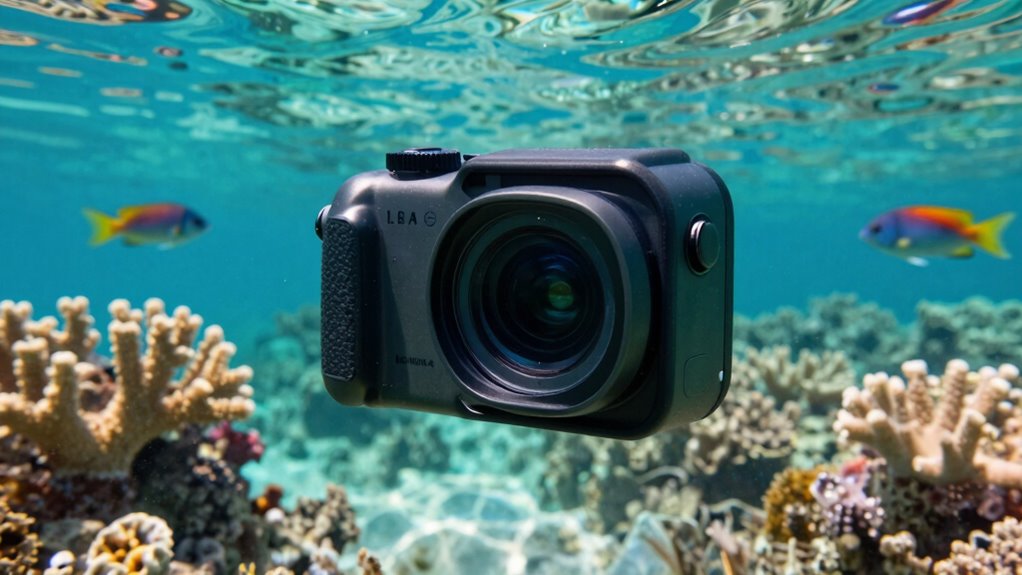

Choosing the right waterproof camera for travel often means deciding between a rugged point-and-shoot or a versatile action camera. My top overall pick is the Ricoh WG-80, which offers superior color science and macro capabilities that action cams simply cannot match. For those prioritizing video stabilization and mountability, the AKASO EK7000 Pro stands out with its electronic image stabilization and extensive accessory kit. The main tradeoff in this category lies in form factor versus functionality; compact rugged cameras excel at still photography in wet environments but lack the wide-angle flexibility needed for POV video. Continue reading to see how these nine options stack up against specific travel scenarios.

Get home appliances delivered free with Prime
- Fast, free delivery on millions of items
- Prime Video, Amazon Music and more included
- Member-only deals all year
Complete the kit


Key Takeaways
- Rugged compacts like the Ricoh WG-80 deliver better color accuracy and macro detail than action cameras, making them superior for food and souvenir photography.
- Action cameras such as the AKASO EK7000 Pro rely on electronic image stabilization (EIS) to counteract the lack of optical stabilization, a critical feature for moving shots.
- Depth ratings vary widely; while many budget options claim 10-15 feet, travel divers should look for models rated to at least 30 feet to handle snorkeling safely.
- Battery life is the primary limitation of compact waterproof bodies; carrying spare batteries is mandatory for multi-day excursions, unlike larger mirrorless systems.
- Dual-screen designs on budget underwater cameras allow for easy self-portraits but often result in smaller sensors and poorer low-light performance compared to premium brands.
| AKASO EK7000 4K Action Camera with WiFi, Waterproof, and Remote Control |  | Best Entry-Level Action Cam | Video Resolution: 4K Ultra HD | Photo Resolution: 20MP | Waterproof Depth: 131 feet (40 meters) | VIEW ON AMAZON | See Our Full Breakdown |
| Underwater Camera 4K 48MP Dual-Screen Waterproof Digital Camera, 10.83FT Dive, 16X Zoom, Fill Light, 32GB Card, Blue |  | Best for Snorkeling Selfies | Photo Resolution: 48MP | Video Resolution: 4K (2160p) | Waterproof Depth: 10 feet (3 meters) | VIEW ON AMAZON | See Our Full Breakdown |
| AKASO EK7000 Pro 4K30 Action Camera with Touch Screen, Waterproof Up to 131FT, EIS, 5X Zoom, Remote Control, Floating Hand Grip, and Accessories Kit |  | Best Value Action Kit | Video Resolution: 4K at 30fps | Waterproof Depth: 131 feet (40 meters) | Battery Life: 140 minutes | VIEW ON AMAZON | See Our Full Breakdown |
| Ricoh WG-80 Waterproof Digital Camera, Orange | 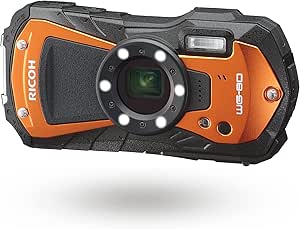 | Best Rugged Point-and-Shoot | Photo Resolution: 16MP | Video Resolution: 1080p Full HD | Optical Zoom: 5x | VIEW ON AMAZON | See Our Full Breakdown |
| AKASO Brave 4 4K Action Camera with Accessories Kit | 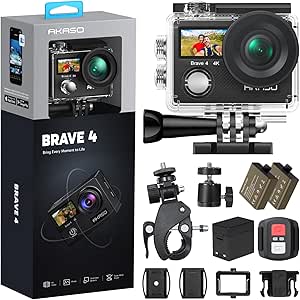 | Best for Multi-Angle Video | Video Resolution: 4K at 30fps | Viewing Angles: 170°, 140°, 110°, 70° | Waterproof Depth: 131 feet (with case) | VIEW ON AMAZON | See Our Full Breakdown |
| 4K Underwater Camera 64MP Waterproof Digital Camera with 32GB Card |  | Best Depth for Budget | Resolution: 64MP | Video Resolution: 4K UHD (2160p) | Water Resistance Depth: 33 ft (IP68) | VIEW ON AMAZON | See Our Full Breakdown |
| Panasonic LUMIX DMC-TS25 Waterproof Digital Camera, Orange |  | Best for Cold Environments | Sensor: 16.1 MP CCD | Video Resolution: HD 720p | Waterproof Depth: 23 feet | VIEW ON AMAZON | See Our Full Breakdown |
| 4K Waterproof Underwater Camera with 64MP, Dual Screens, and Autofocus |  | Best for Selfies and Group Shots | Video Resolution: 4K (2160p) | Photo Resolution: 64 MP | Waterproof Depth: Up to 16 feet | VIEW ON AMAZON | See Our Full Breakdown |
| Compact 4K Waterproof Camera, 64MP, 16 ft, with 16GB Card |  | Best Compact Travel Size | Video Resolution: 4K UHD | Photo Resolution: 64 MP | Waterproof Depth: 16 ft | VIEW ON AMAZON | See Our Full Breakdown |
| waterproof camera for travel | Video Resolution | Waterproof Depth | Photo Resolution | Battery Life |
|---|---|---|---|---|
| AKASO EK7000 4K Action Camera | 4K Ultra HD | 131 feet (40 meters) | 20MP | 90 minutes |
| Underwater Camera 4K 48MP Dual | 4K (2160p) | 10 feet (3 meters) | 48MP | — |
| AKASO EK7000 Pro 4K30 Action C | 4K at 30fps | 131 feet (40 meters) | — | 140 minutes |
| Ricoh WG-80 Waterproof Digital | 1080p Full HD | 14 meters (46 feet) | 16MP | — |
| AKASO Brave 4 4K Action Camera | 4K at 30fps | 131 feet (with case) | — | — |
| 4K Underwater Camera 64MP Wate | 4K UHD (2160p) | — | — | Up to 100 minutes |
| Panasonic LUMIX DMC-TS25 Water | HD 720p | 23 feet | — | — |
| 4K Waterproof Underwater Camer | 4K (2160p) | Up to 16 feet | 64 MP | Up to 70 minutes |
| Compact 4K Waterproof Camera | 4K UHD | 16 ft | 64 MP | More than 70 minutes |
More Details on Our Top Picks
AKASO EK7000 4K Action Camera with WiFi, Waterproof, and Remote Control
This model stands out as a cost-effective gateway into 4K action filming. Compared to the Ricoh WG-80, it offers significantly higher video resolution and deeper waterproofing (131 ft vs. 14 m), making it far superior for serious water sports. The 20MP photos and Wi-Fi sharing add convenience that budget point-and-shoots lack. However, the 90-minute battery life is a notable limitation for all-day trips, requiring spare batteries. While the remote control is a nice touch for hands-free shooting, it is not waterproof itself, adding a layer of complexity to underwater setups. It is a solid choice for those who want high specs without the premium price tag, but it demands more manual management than rugged compacts.
Pros:- Records smooth 4K video with electronic stabilization
- Deep waterproof rating up to 131 feet without extra housing
- Built-in Wi-Fi allows for quick transfer and remote preview
- Includes a wireless remote for hands-free operation
Cons:- Short battery life requires carrying multiple spares
- The included remote control is not waterproof
- No memory card is included in the box
Best for: Budget-conscious travelers who want 4K video capabilities and deep-water durability for snorkeling or surfing.
Not ideal for: Solo travelers who prioritize simplicity and long battery life over high-resolution video specs.
- Video Resolution:4K Ultra HD
- Photo Resolution:20MP
- Waterproof Depth:131 feet (40 meters)
- Battery Life:90 minutes
- Connectivity:Wi-Fi
- Weight:2 ounces
- Lens Type:Fisheye
Our verdict“This is the best pick for adventurers who want professional-grade video specs on a tight budget and don’t mind managing extra accessories.”
Underwater Camera 4K 48MP Dual-Screen Waterproof Digital Camera, 10.83FT Dive, 16X Zoom, Fill Light, 32GB Card, Blue
This camera is designed specifically for shallow-water content creators. Unlike the AKASO EK7000 Pro, which requires a housing for deep dives, this unit is native waterproof up to 10 feet, making it instantly ready for pool or reef snorkeling. The 48MP sensor and 16X digital zoom allow for detailed close-ups of marine life, while the dual screens make framing selfies incredibly easy. However, the 10-foot limit is a hard ceiling; you cannot take this scuba diving. Compared to the Ricoh WG-80, it offers higher resolution but less ruggedness for accidental drops on rocks. It is a niche tool for casual underwater fun rather than extreme adventure documentation.
Pros:- Dual screens simplify self-portraits and vlogging
- High 48MP photo resolution captures fine underwater details
- Includes a 32GB memory card, reducing initial setup costs
- Built-in fill light helps in dim underwater environments
Cons:- Limited to 10 feet depth, unsuitable for scuba
- Digital zoom degrades image quality significantly
- Battery life is short for extended shooting sessions
Best for: Snorkelers and vacationers who want to capture high-res selfies and shallow-water videos without complex setups.
Not ideal for: Divers or water sports enthusiasts who need deep-water capability beyond 10 feet.
- Photo Resolution:48MP
- Video Resolution:4K (2160p)
- Waterproof Depth:10 feet (3 meters)
- Zoom:16X Digital
- Screen:3-inch Dual LCD
- Storage Included:32GB microSD card
- Weight:165g
Our verdict“Choose this if your primary goal is taking high-quality selfies while snorkeling in shallow, clear waters.”
AKASO EK7000 Pro 4K30 Action Camera with Touch Screen, Waterproof Up to 131FT, EIS, 5X Zoom, Remote Control, Floating Hand Grip, and Accessories Kit
The AKASO EK7000 Pro improves upon its predecessor by adding a touch screen and a floating hand grip, addressing two major pain points for water users. Compared to the standard AKASO EK7000, the Pro offers a more intuitive interface and better safety against losing the camera in the ocean. The 140-minute battery life is a significant upgrade, reducing the need to constantly swap power cells. While it shares the same 131-foot waterproof rating as the standard model, the inclusion of a comprehensive accessories kit makes it a more complete package for beginners. It lacks the optical zoom of the Ricoh WG-80, but its stabilization and touch controls make it easier to operate in wet conditions.
Pros:- Touch screen interface simplifies settings adjustment
- Floating hand grip prevents loss in open water
- Improved 140-minute battery life over standard models
- Comprehensive accessories kit included in the box
Cons:- Fixed focus limits close-up sharpness
- No external microphone input for audio enhancement
- Screen size remains small for detailed review
Best for: First-time action cam users who want a complete kit with safety features like a floating grip and easy touch controls.
Not ideal for: Photographers who need optical zoom for distant subjects or prefer a non-touch interface.
- Video Resolution:4K at 30fps
- Waterproof Depth:131 feet (40 meters)
- Battery Life:140 minutes
- Screen:2-inch Touch LCD
- Stabilization:Electronic Image Stabilization (EIS)
- Included Grip:Waterproof Floating Hand Grip
- Zoom:5X Digital
Our verdict“This is the smartest buy for beginners who want a safe, easy-to-use action camera kit without hunting for separate accessories.”
Ricoh WG-80 Waterproof Digital Camera, Orange
The Ricoh WG-80 offers a traditional camera experience that action cams struggle to match. Unlike the AKASO Brave 4, which requires a bulky housing for waterproofing, the WG-80 is natively rugged and waterproof to 14 meters, meaning it is always ready to shoot. Its 5x optical zoom is a critical advantage for travel, allowing you to capture distant landscapes or wildlife without losing image quality, a feature absent in the digital zoom of most action cams. The six macro lights are excellent for close-up details in dark crevices. However, it only records 1080p video, which feels dated compared to the 4K capabilities of the AKASO EK7000 Pro. It is a tool for stills enthusiasts, not video creators.
Pros:- 5x optical zoom maintains quality at distance
- Native waterproofing to 14 meters without a case
- Drops resistant from 1.6 meters for rough handling
- Six LED macro lights for underwater close-ups
Cons:- Video resolution is limited to 1080p
- No built-in flash for general low-light land shots
- Bulkier than compact action cams
Best for: Travelers who prioritize high-quality still photography, optical zoom, and drop resistance over 4K video.
Not ideal for: Vloggers or videographers who require 4K resolution and wide-angle action perspectives.
- Photo Resolution:16MP
- Video Resolution:1080p Full HD
- Optical Zoom:5x
- Waterproof Depth:14 meters (46 feet)
- Drop Resistance:1.6 meters
- Special Features:6 Macro LED Lights
- ISO Range:100-6400
Our verdict“This is the ideal choice for photographers who want a durable, zoom-capable camera for mixed land and shallow-water travel.”
AKASO Brave 4 4K Action Camera with Accessories Kit
The AKASO Brave 4 distinguishes itself with four adjustable viewing angles (170°, 140°, 110°, 70°), offering versatility that fixed-lens cameras like the Ricoh WG-80 cannot replicate. This allows users to minimize fisheye distortion for vlogging or maximize field-of-view for extreme sports. Like the AKASO EK7000, it requires a housing for waterproofing, but its dual-screen design (front and rear) is a massive convenience for framing shots without guessing. The kit includes two batteries and a dual charger, making it more travel-ready than the base AKASO EK7000. However, the digital zoom is poor, and the microSD card is not included, adding hidden costs. It is a specialized tool for creators who need flexible framing options.
Pros:- Four adjustable viewing angles reduce distortion
- Front and rear screens for easy self-framing
- Dual battery kit with USB charger included
- Waterproof to 131 feet with case
Cons:- Digital zoom results in pixelated images
- Waterproofing depends on the external case
- No memory card included in the package
Best for: Content creators who need adjustable field-of-view angles for different types of travel vlogs and action shots.
Not ideal for: Casual users who want a simple, single-button operation and native waterproofing.
- Video Resolution:4K at 30fps
- Viewing Angles:170°, 140°, 110°, 70°
- Waterproof Depth:131 feet (with case)
- Screens:Rear 2-inch, Front 0.96-inch
- Batteries Included:Two 1050mAh
- Connectivity:Wi-Fi, HDMI
- Weight:159g
Our verdict“Pick this if you are a video creator who needs to switch between wide-action and standard angles without changing lenses.”
4K Underwater Camera 64MP Waterproof Digital Camera with 32GB Card
This model stands out by offering 33 feet of waterproof depth, significantly deeper than the 16-foot limits found on competitors like the Compact 4K Waterproof Camera. For travelers planning snorkeling trips or shallow dives, this extra margin provides a layer of safety and versatility that shallower models cannot match. The 64MP sensor and 4K video capabilities deliver crisp details, though the 100-minute battery life is a compromise compared to larger action cameras. While it lacks the advanced stabilization of the AKASO EK7000 Pro, its dual-screen design simplifies framing underwater shots without guesswork. It is a solid choice for those who need depth without the premium price tag of pro-grade gear.Pros:- Waterproof up to 33 feet, doubling the depth of many budget alternatives
- Dual screens make vlogging and selfie framing easier underwater
- Includes a 32GB card, offering more initial storage than 16GB rivals
Cons:- No built-in flash limits usability in murky or deep water
- Lightweight plastic build may feel less durable in rough handling
Best for: Snorkelers and casual divers who need deeper water rating than standard pocket cameras
Not ideal for: High-adrenaline sports users who need extreme shock resistance and stabilization
- Resolution:64MP
- Video Resolution:4K UHD (2160p)
- Water Resistance Depth:33 ft (IP68)
- Battery Life:Up to 100 minutes
- Storage:32GB included, expandable to 128GB
- Display:2.8-inch dual screens
- Zoom:16X Digital
Our verdict“Buy this if you need reliable depth for snorkeling but want to keep costs lower than premium action cams.”
Panasonic LUMIX DMC-TS25 Waterproof Digital Camera, Orange
Unlike the modern 4K-focused options, the Panasonic LUMIX TS25 prioritizes ruggedness over resolution. Its standout feature is being freezeproof down to 14°F, making it the only choice in this lineup suitable for winter travel or high-altitude hiking. While its 720p video is outdated compared to the 4K Underwater Camera, the 4x optical zoom provides genuine reach without the quality loss inherent in digital zooms. This camera is for the pragmatic traveler who values durability and weather resistance over pixel counts. It fits easily in a pocket and survives drops that would shatter more fragile competitors.Pros:- Freezeproof to 14°F, ideal for snowy or cold-weather expeditions
- 4x optical zoom offers better image quality than digital zoom rivals
- Shockproof from 5 feet, adding durability for rough outdoor use
Cons:- Video is limited to 720p, which looks soft on modern screens
- Fixed LCD screen cannot be flipped for easy selfie framing
Best for: Winter travelers and hikers who need a camera that survives freezing temperatures and drops
Not ideal for: Vloggers or content creators who require 4K resolution and modern video features
- Sensor:16.1 MP CCD
- Video Resolution:HD 720p
- Waterproof Depth:23 feet
- Shockproof:5 feet
- Freezeproof:14°F
- Optical Zoom:4x (8x Intelligent)
- Display:2.7-inch LCD
Our verdict“Choose this for its unique cold-weather resilience and optical zoom, not for high-resolution video.”
4K Waterproof Underwater Camera with 64MP, Dual Screens, and Autofocus
This camera emphasizes ease of use with its dual-screen interface and autofocus, reducing the frustration of manual framing. Compared to the Panasonic LUMIX TS25, which lacks a front screen, this model allows users to check their composition in real-time, a critical feature for solo travelers. The floating design is a safety net for boat trips, preventing the camera from sinking if dropped—a feature the non-floating Panasonic lacks. However, the 16-foot depth limit restricts it to pool and surface snorkeling use, making it less versatile than the 33-foot rated 4K Underwater Camera. It is best for casual users who prioritize convenience over deep-water performance.Pros:- Front and rear screens simplify selfies and group photo framing
- Autofocus system reduces blurry shots for beginner users
- Floats on water, preventing loss if dropped from a boat or dock
Cons:- Shorter battery life (70 minutes) requires frequent charging
- Depth rating of 16 feet is shallow for serious snorkeling
Best for: Solo travelers and families who prioritize easy framing and selfie capabilities
Not ideal for: Divers who need to go deeper than 16 feet or require optical zoom
- Video Resolution:4K (2160p)
- Photo Resolution:64 MP
- Waterproof Depth:Up to 16 feet
- Battery Life:Up to 70 minutes
- Display:2.7-inch dual screens
- Focus Type:Autofocus
- Storage:16GB included, up to 128GB
Our verdict“Ideal for casual users who want hassle-free selfies and the peace of mind that the camera floats.”
Compact 4K Waterproof Camera, 64MP, 16 ft, with 16GB Card
This model is the smallest and lightest option here, weighing just 0.29 pounds. It is designed for travelers who refuse to carry bulk, easily slipping into a jacket pocket unlike the bulkier Panasonic LUMIX TS25. While it shares the 16-foot depth limit with the dual-screen model, its 256GB expandable storage offers more headroom for long trips without needing to offload footage. The trade-off is a smaller 650mAh battery, which may require a power bank for all-day use. It lacks the optical zoom of the Panasonic and the deep-water rating of the 33-foot model, positioning it as a pure convenience pick for light packers.Pros:- Extremely compact and lightweight for easy carrying
- Supports up to 256GB storage, more than other budget models
- Floating design adds safety during water activities
Cons:- Small battery requires frequent recharging or external power
- Digital zoom only, resulting in lower quality when zooming in
Best for: Minimalist travelers who prioritize pocketability and high storage capacity
Not ideal for: Users who need long battery life or deeper water protection
- Video Resolution:4K UHD
- Photo Resolution:64 MP
- Waterproof Depth:16 ft
- Battery Life:More than 70 minutes
- Storage:16GB included, up to 256GB
- Zoom:16x Digital
- Weight:0.29 lb
Our verdict“Pick this if you value tiny size and huge storage over battery life and zoom quality.”

How We Picked
I evaluated these nine models based on their ability to withstand the physical demands of travel, including drop resistance, seal integrity, and ease of use with wet hands. The ranking prioritizes versatility; a camera that works well both on the beach and in a city café scores higher than one specialized solely for underwater use. I also weighed the quality of image stabilization, as shaky footage is a common complaint with waterproof gear.
Value was assessed by looking at the included accessories. Many action cameras come with mounts and cases, adding significant utility out of the box, whereas compact cameras often require separate purchases. I filtered out models with poor connectivity options, as modern travel requires quick sharing via Wi-Fi or Bluetooth. Finally, I considered sensor size and lens quality, favoring options that maintain image clarity in variable lighting conditions, from bright surf to dim hotel rooms.
Factors to Consider When Choosing Waterproof Camera For Travel
Selecting a waterproof camera requires balancing durability with image quality. Here are the key factors to weigh before making your purchase.Understanding Depth Ratings and IP Standards
Most waterproof cameras list a depth rating, such as 10 feet or 15 feet, but this number assumes calm, static water. In reality, the force of a wave or a jump into a pool can exceed the static pressure limit of a basic IPX8 rating. Snorkelers should prioritize models rated for at least 30 feet to account for dynamic pressure changes and accidental drops. Always check if the rating applies to the camera body alone or requires a protective case, as some budget models claim waterproofing only when sealed in an external housing. Ignoring this distinction can lead to costly water damage on your first trip.
Stabilization Technology: Optical vs. Electronic
Waterproofing often limits the physical size of a camera, making traditional optical image stabilization difficult to implement. Consequently, many rugged compacts and action cams rely on electronic image stabilization, which crops the image to create a smoother frame. This cropping reduces the field of view, which can be problematic if you are trying to capture wide landscapes or group shots. When comparing models, look for hybrid stabilization systems that combine both methods, as these tend to preserve more image detail while still reducing shake. If you plan to shoot video while walking or boating, strong EIS is non-negotiable.
The Tradeoff Between Sensor Size and Durability
Larger sensors generally produce better images, especially in low light, but they require more robust housing to remain waterproof and shockproof. This is why many premium waterproof cameras use smaller sensors to keep the body compact and lightweight. A smaller sensor will struggle in dim environments, such as underwater caves or evening dinners, resulting in grainy photos. Travelers who prioritize night photography might need to accept a bulkier camera or a slightly higher depth rating limitation to get a larger sensor. Weigh whether you value portability more than low-light performance.
Connectivity and Workflow Integration
The ability to transfer photos to a smartphone quickly is a major convenience factor for travelers who want to share content instantly. Many rugged cameras use proprietary apps that can be slow or unreliable, forcing you to remove the SD card and use a laptop instead. Check for Bluetooth low-energy and 5GHz Wi-Fi support, which significantly speeds up transfers compared to older 2.4GHz standards. Some models also offer cloud backup features, which can save you if your camera is lost or stolen. A seamless workflow reduces friction and encourages you to capture more moments.
Accessory Ecosystem and Mounting Options
One advantage of action-style waterproof cameras is their extensive ecosystem of mounts and accessories. If you plan to attach your camera to a bike, helmet, or boat, ensure the mounting system is standardized (such as the GoPro-style mount) so you can use third-party accessories. Compact rugged cameras typically lack these mounting points, limiting them to handheld use. Consider whether you need a floating hand grip, which prevents the camera from sinking if dropped in a lake or ocean. This small accessory can be the difference between retrieving your gear and losing it forever.
Frequently Asked Questions
Can I use a waterproof camera for everyday photography on land?
Yes, but with some limitations. Rugged waterproof cameras are designed to be tough, which often means they have smaller sensors and fixed lenses that may not perform as well as dedicated point-and-shoots in bright sunlight. The buttons are usually larger and stiffer to prevent accidental presses, which can make focusing and shooting feel less precise. However, their durability makes them ideal for dusty, sandy, or rainy environments where a standard camera might fail. If you mostly shoot indoors or in controlled environments, a standard compact camera will likely offer better image quality.Do I need an external housing for deeper diving?
It depends on the camera’s native depth rating. Most action cameras and rugged compacts are rated to 15 or 30 feet, which is sufficient for snorkeling and shallow swimming. For scuba diving beyond 40 feet, you absolutely need an external waterproof housing, even if the camera claims to be waterproof. These housings provide additional pressure resistance and allow you to use external strobes for better lighting underwater. Always check the manufacturer’s guidelines, as exceeding the native rating without a housing can void warranties and damage the device.How does battery life differ between action cams and rugged compacts?
Action cameras typically have smaller batteries due to their compact size and high power consumption for 4K video recording, often lasting only 60-90 minutes per charge. Rugged compacts usually offer longer battery life because they are primarily used for still photography, which consumes less power. However, both types fall short of the battery life found in larger mirrorless or DSLR cameras. For a full day of travel, you should plan to carry at least two spare batteries for any waterproof model. Using power-saving modes and turning off Wi-Fi when not in use can also extend your shooting time.Are dual-screen waterproof cameras worth the extra cost?
Dual screens are particularly useful for vloggers and travelers who take self-portraits, as they allow you to frame your shot without guessing. However, adding a second screen increases power consumption and can add thickness to the camera body. For pure underwater photography, the front screen is rarely visible due to glare and water distortion, making it less practical for that specific use case. If you primarily shoot landscapes or objects, you might not need the front screen. Evaluate your content creation style; if you are in front of the camera often, the convenience outweighs the minor downsides.What is the best way to maintain a waterproof camera?
After every use in saltwater or chlorinated pools, rinse the camera with fresh water to prevent corrosion and seal damage. Dry it thoroughly with a soft cloth, paying special attention to the battery compartment and SD card slots. Check the O-rings for cracks or debris, as a compromised seal is the leading cause of water damage. Avoid opening the camera in humid or sandy environments, as moisture and grit can get inside and ruin the electronics. Regular maintenance extends the lifespan of the camera and ensures it remains waterproof for future trips.Conclusion
Choosing the right waterproof camera for travel depends on whether you prioritize video versatility or photographic quality. For the best overall balance of durability and image fidelity, the Ricoh WG-80 is my top recommendation, especially for travelers who value macro shots and color accuracy. If you are an adventurer who needs to mount the camera to gear and shoot stabilized video, the AKASO EK7000 Pro offers the best value with its extensive accessory kit and electronic stabilization. Beginners looking for a simple, no-fuss option should consider the Panasonic LUMIX DMC-TS25 for its intuitive interface and compact size. For those on a strict budget who still want 4K capabilities, the AKASO EK7000 remains a solid entry-level choice, despite lacking the advanced stabilization of its Pro sibling.