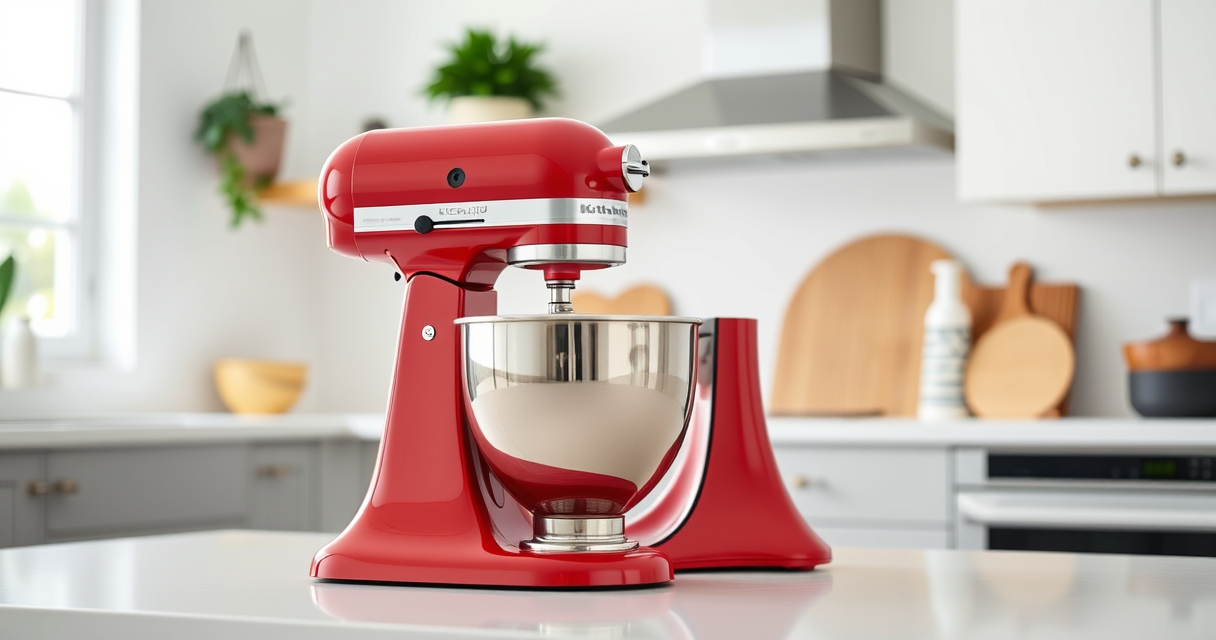

If your KitchenAid Artisan Series 5 Quart Tilt Head Stand Mixer isn’t tilting back as it should, it can hinder your baking and mixing tasks. This common issue can often be fixed without professional help, saving you time and money. Understanding the causes and following step-by-step troubleshooting methods will help restore your mixer’s functionality.
In this guide, we’ll explore the main reasons behind the tilt mechanism failure, how to safely inspect and fix your mixer, and tips to prevent future problems. Whether you’re a seasoned baker or a casual user, these practical solutions will get your stand mixer working smoothly again.
Key Takeaways
| Common Cause | A jammed or stuck tilt lock lever can prevent tilting. |
| Safety First | Always unplug the mixer before inspecting or repairing. |
| Simple Fixes | Cleaning and lubricating can often resolve the issue. |
| When to Replace | Persistent mechanical failure may require professional repair or part replacement. |
| Preventative Tips | Regular cleaning and gentle handling extend your mixer’s lifespan. |

KitchenAid Artisan Series 5 Quart Tilt Head Stand Mixer with Pouring Shield KSM150PS, Milkshake
- Durable Metal Construction: Built to last with 59 touchpoints
- 5 Quart Stainless Steel Bowl: Handles small or large batches, dishwasher safe
- Tilt-Head Design: Easy ingredient addition and access to bowl
As an affiliate, we earn on qualifying purchases.
Identify the Cause of the Tilt Back Issue
Before attempting any repair, determine why your KitchenAid mixer won’t tilt back. Common causes include a jammed tilt lock lever, debris obstructing the mechanism, or a worn-out tilt hinge. In some cases, the tilt head may feel stiff or resistant, indicating that dirt or old lubricant is causing friction. If the tilt lock lever feels loose or won’t engage properly, that’s often a sign of mechanical wear or obstruction.
Understanding the exact cause will help you select the correct troubleshooting steps and avoid unnecessary repairs.
Step-by-Step Troubleshooting Guide
- Unplug the mixer: For safety, always disconnect your mixer from power before inspecting or repairing.
- Inspect the tilt lock lever: Check if it’s stuck, loose, or visibly obstructed by debris. Gently move it to see if it engages or releases.
- Clean the mechanism: Use a soft cloth and mild cleaner to remove dust, old grease, or food residue around the tilt hinge and lock lever.
- Lubricate the pivot points: Apply a small amount of food-grade silicone lubricant or light machine oil to the tilt hinge and lock mechanism. Avoid over-lubricating to prevent dirt buildup.
- Test the tilt function: After cleaning and lubricating, carefully tilt the head back and forth to ensure smooth movement. If it moves freely, the problem is resolved.
- Check for mechanical damage: If the tilt head still won’t move or feels resistant, inspect the hinge and lock pin for signs of wear or damage. Replacing worn parts may be necessary.
When to Seek Professional Repair or Parts Replacement
If after following the troubleshooting steps your KitchenAid stand mixer still won’t tilt back, it may be due to a broken hinge, damaged lock mechanism, or internal component failure. In such cases, professional repair services or ordering replacement parts can be the most effective solution.
Consult the manufacturer’s warranty or a certified repair technician before attempting extensive disassembly. Replacing worn or broken parts ensures safe operation and prolongs your mixer’s lifespan.
Preventive Maintenance Tips
- Regular cleaning: Keep the tilt hinge and lock lever free of dust and food debris.
- Gentle handling: Avoid forcing the tilt head if it feels stiff; instead, inspect and lubricate.
- Lubricate periodically: Use food-safe lubricants every few months to maintain smooth operation.
- Store properly: Keep your mixer in a cool, dry place to prevent rust and corrosion.
Additional Tips for Maintaining Your KitchenAid Mixer
In addition to troubleshooting tilt issues, regularly check other components such as the beater, bowl, and attachments. Proper maintenance ensures overall performance and safety. Always follow the manufacturer’s guidelines for cleaning and care, and avoid using excessive force during operation.
The Products in This Guide
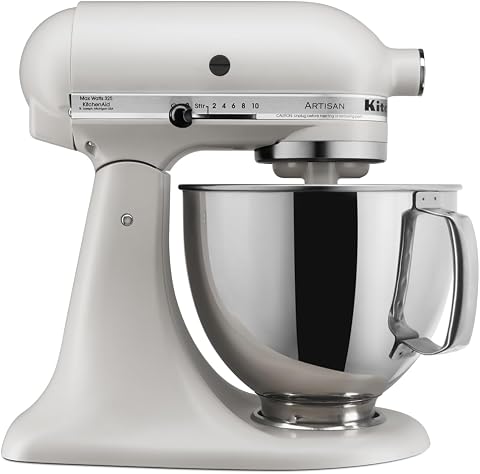
KitchenAid Artisan Series 5 Quart Tilt Head Stand Mixer
- ✔ Weight: 26 pounds
- ✔ Dimensions: 14 x 8 x 14 inches
- ✔ Color Options: Multiple

KitchenAid Stand Mixer Attachment
- ✔ Weight: 4 pounds
- ✔ Dimensions: 8 x 6 x 10 inches
- ✔ Color: Metal finish
KitchenAid Artisan Series 5 Quart Tilt Head Stand Mixer
The KitchenAid Artisan Series 5 Quart Tilt Head Stand Mixer is built to last with a sturdy metal construction and versatile features. Its tilt head design provides easy access to the bowl, making it ideal for various recipes. However, like all mechanical devices, it requires regular maintenance to prevent issues such as the tilt back problem.
When properly cared for, this mixer offers excellent performance and durability for both casual and frequent bakers.
Pros:
- Sturdy metal build
- Easy tilt-head access
- Multiple speed settings
- Large capacity bowl
Cons:
- Potential tilt mechanism issues
- Heavy for some users
- Requires periodic cleaning
Best for: Home bakers seeking a durable, versatile stand mixer
Not ideal for: Users seeking a lightweight or compact mixer
Bottom line: A durable, high-performance mixer that benefits from regular maintenance.
KitchenAid Stand Mixer Attachment
The KitchenAid Stand Mixer Attachment Food Grinder allows you to process meats, vegetables, and more with ease, expanding your mixer’s functionality. Its durable metal construction and multiple grinding plates make it a reliable addition to your kitchen arsenal.
Pros:
- Sturdy metal grinder
- Multiple grinding plates
- Large tray
- Easy to clean
Cons:
- Separate purchase needed
- Requires careful cleaning
- Can be noisy
Best for: Home cooks who want fresh ground ingredients
Not ideal for: Users not wanting additional attachments or tools
Bottom line: A versatile attachment for fresh grinding needs, ideal for food prep.
Frequently Asked Questions
Why won’t my KitchenAid mixer tilt back?
Common reasons include a jammed tilt lock lever, debris, or worn-out hinge components. Follow troubleshooting steps to identify and fix the issue.
Is it safe to lubricate the tilt mechanism?
Yes, using a food-safe silicone lubricant or light machine oil is safe when applied sparingly to the pivot points after cleaning.
Can I repair the tilt hinge myself?
If you’re comfortable with basic tools and following instructions, you can clean and lubricate the hinge. For damaged parts, professional repair or replacement is recommended.
How often should I maintain my mixer?
Regular cleaning and lubrication every few months help prevent issues and prolong the life of your mixer.
What should I do if the tilt head is still stuck after troubleshooting?
If cleaning and lubricating don’t help, contact a professional repair technician or consider replacing damaged internal parts.
Keep Your Mixer Performing at Its Best
Regular maintenance, gentle handling, and prompt troubleshooting can keep your KitchenAid stand mixer functioning smoothly for years to come. Addressing tilt back issues early prevents more serious damage and ensures your baking projects go off without a hitch. With proper care, your mixer will continue to be a reliable kitchen partner for all your culinary adventures.
Affiliate disclosure: As an Amazon Associate we earn from qualifying purchases. Prices and availability are accurate as of the time of publishing.